|
|||||||
|




ONLY TIME WILL TELL (TISSUES MAY BE REQUIRED)
Only Time Will Tell By JJ Heller, David Heller and Andy Gullahorn
There’s not enough paper in this world There’s not enough ink to write it down No melody is sweet enough No metaphor is deep enough To describe the treasure I have found
I keep trying to tell you how I feel But I always come up short How beautiful you are to me But there aren’t enough words I keep trying to write a love song But it’s hard to say it well Love is a story that only time will tell
It’s one thing to say “for better or worse” And another when you find out what that means So much happens over time Some dreams come true and some will die How do you describe that kind of thing
I keep trying to tell you how I feel But I always come up short How beautiful you are to me But there aren’t enough words I keep trying to write a love song But it’s hard to say it well Love is a story that only time will tell
I’ve searched libraries And dictionaries Studied poets Still all I know is
I keep trying to tell you how I feel But I always come up short How beautiful you are to me But there aren’t enough words I keep trying to write a love song But it’s hard to say it well Love is a story that only time will tell Love is a story that only time will tell
PRETTY POWERFUL, STUFFS, huh, but not quite as powerful as the LOVE that’s shown here. J J Heller, is an artist I’ve loved for a long time because the music that she and her husband, Dave create often create something in us, or at least shines a light on what’s been created and now needs some special noticing.
J J goes on to share, even more personally:
This video gets me every single time.
When we’re young we make vows imagining an easy and wonderful future. We say “for better or worse” even though we don’t know what lies ahead. We promise to be faithful, supportive and true no matter what.
Making these promises is indeed an act of love, but living out this love in hospitals, worse-case diagnoses and late-night bouts with pain.. that’s a love on another level. A deeper, expanded love.
With that said, this beautiful video is dedicated to those fighting through intense physical challenges, and to those who love them fiercely and relentlessly.
A huge thank you to this brave couple who has allowed us to share part of their story with the world in hopes it will bring healing and encouragement.
And another giant thank you to Joy Prouty for capturing this sacred footage, both of their labor and delivery several years ago, and also of the recovery from a double mastectomy mere weeks ago.
And thanks to Dave Heller and Andy Gullahorn for writing this beautiful song with me.
Love is a story that only time will tell. 🧡

Just one Question:
WHAT
OF
YOUR
L O V E. . . ?
SILENT NIGHT
MERRY THE DAY AFTER CHRISTMAS. . .
Here’s hoping your lights are still twinkling
you leftovers are still warm and tasty
you joy is still contagious
Years ago, Paul Simon was asked to name a song he wished he had written. The song he chose was “Silent Night.”
“Silent Night?” Really? But that wasn’t even a hit, ever. Was it?
Actually, yes. In 1935.
The story starts long before that, though. It starts with a poem written by Father Joseph Mohr in 1816, an assistant priest in Mariapfarr, Austria. Written in German, it was called “Stille Nacht.”
Two years later he was the priest of the St. Nicholas parish church in Oberndorf, a village near Salzburg. On the day of Christmas Eve, 1818, he asked organist Franz Gruber to compose a melody for his poem. Because the recent flooding of the Salzach river damaged the church organ, it was unsure if it would be usable in time for Mass, so Mohr requested that Gruber write a guitar accompaniment for it that he could it.
The melody that Gruber composed is a beautiful, poignant one, with the simplicity of a folk song. That simplicity — using only the fundamental changes (I, IV, V and VI) — seems to have been shaped by Gruber’s use of guitar. Had he composed it for organ, he might have created a far more complex melody, and one remembered and cherished by none. But the purity of this melody, with the beautifully holy words written by Father Mohr, resounds like a hymn.
That church was ultimately subsumed completely by the river and replaced with a church named after the famous song which was born there.
In 1935, Bing Crosby recorded it, and sold over ten million copies of it. “Silent Night” was a hit.
In 1966, Simon and Garfunkel recorded a version of the song for their album Parsley, Sage, Rosemary and Thyme, called “Silent Night/ 7 O’Clock News.” In perfect two-part harmony, they sing the song to a piano accompaniment. Into that song bleeds the sound of a news announcer bringing news of the day, thus creating a sound collage of peace set against modern times. That news was actually scripted and read by Charlie O’Donnell, who was a radio DJ then and became the announcer on many TV game shows, including The Wheel of Fortune.
Topics covered in the lyrics which painted the summer of 1966 include the death of Lenny Bruce in Hollywood, a march in Cicero, Illinois by Martin Luther King, Jr., the indictment of Richard Speck for murder, and more. The full text is included below.
Simon and Garfunkel’s rendition of the song is simple and beautiful. Back in the day, we loved this version, merging in radical 60s style the hymn with the modern world. But we yearned to hear it without Charlie talking over it. Of course, back then that was impossible. Not anymore. Here’s the full text:
This is the early evening edition of the news.
The recent fight in the House of Representatives was over the open housing section of the Civil Rights Bill. Brought traditional enemies together but it left the defenders of the measure without the votes of their strongest supporters. President Johnson originally proposed an outright ban covering discrimination by everyone for every type of housing but it had no chance from the start and everyone in Congress knew it.
A compromise was painfully worked out in the House Judiciary Committee. In Los Angeles today comedian Lenny Bruce died of what was believed to be an overdoes of narcotics. Bruce was 42 years old.
Dr. Martin Luther King says he does not intend to cancel plans for an open housing march Sunday into the Chicago suburb of Cicero. Cook County Sheriff Richard Ogleby asked King to call off the march and the police in Cicero said they would ask the National Guard to be called out if it is held. King, now in Atlanta, Georgia, plans to return to Chicago Tuesday.
In Chicago Richard Speck, accused murderer of nine student nurses, was brought before a grand jury today for indictment. The nurses were found stabbed an strangled in their Chicago apartment.
In Washington the atmosphere was tense today as a special subcommittee of the House Committee on Un-American activities continued its probe into anti- Viet nam war protests. Demonstrators were forcibly evicted from the hearings when they began chanting anti-war slogans.
Former Vice-President Richard Nixon says that unless there is a substantial increase in the present war effort in Viet nam, the U.S. should look forward to five more years of war. In a speech before the Convention of the Veterans of Foreign Wars in New York, Nixon also said opposition to the war in this country is the greatest single weapon working against the U.S.
That’s the 7 o’clock edition of the news, Goodnight.
Silent night Holy night
All is calm All is bright
Round yon virgin mother and child
Holy infant so tender and mild
Sleep in heavenly peace,
sleep in heavenly peace.
So what of this first day after Christmas
or all of the days that’ll follow it from now
and Christmas’ to come. . .
WHAT OF IT, INDEED
Psssssssssssssssssssssssssssssssssssssssssssst:
WE ARE THE LYRICS OF THE SONG
THAT NEEDS SINGING
HEARD
ADAPTED
for a Heavenly Peace we not only yearn to sleep within
but refuse to live
w i t h o u t
MERRY CHRISTMAS
(again)
(and many agains too numerous to count)
THE ISLAND OF MISFIT TOYS
DO YOU REMEMBER THIS. . . ?
It came out in 2001 and I remember watching it with my kids and laughing with them and wondering are toys the only things that are
M I S F I T S. . .
Go ahead, watch it again
and catch some of the things you most likely didn’t notice
or maybe just glossed over
OR MAYBE
just didn’t want to see or recognize. . .
It’s odd
This version of
RUDOLPH THE RED-NOSE REINDEER AND THE ISLAND OF MISFIT TOYS
What about the bad guy named Mr. Cuddles, who kidnaps toys so kids will never outgrown them. Or, the blimp, a hippopotamus queen, all with Rudolph thinking about getting a nose job. Rudolph and his friends show up at this misfit island, where they meet a cast of quirky toys, sequestered away in their shame. There’s a CHARLIE-IN-THE-BOX, a bird that swims, and a cowboy who rides an ostrich. And yes, there is a chorus of music that kind of normalizes it like all music tries to do. They real each attribute that, in their own minds, gives them oddball status: There’s a spotted elephant, a choo-choo with square wheels, and a water pistol that shoots jelly. Together, wail about their quirks through song and proclaim, not so proudly,
“We’re all misfits!”
Now here’s the thing, I think this part was suppose to be sad, but I kind of missed the memo when I was watching this. A happy little island of honest misfits sounded like paradise to me. Can you imagine belonging to a community like that? Those who wouldn’t bother hiding THEIR WEIRD?
Wait. . .WHAT. . .
Oh, you’re a bird that swims in water? Well, Yippee! I ride an ostrich! You feel weird about your polka-dot skin? Well, check out my square wheels chugging down an off the track trail!
Seriously, in what universe would this be considered exile? These misfits have found their people! A truer tragedy would be faking perfect, hiding your spots, and trying to conform. The misfit toys have created a hopeful haven, and it’s what I kind of pray to discover; to have for myself and you, others. . .
That by just showing up each day, BOLDLY BROKEN,
your very own island might form or maybe, just maybe
we discover that we’ve never
NOT BEEN A PART OF IT ALL ALONG
 All the same. . .
JOIN ME
R E C O G N I Z E
just how
W E I R D L Y
we are so much more alike
THAN NOT. . .
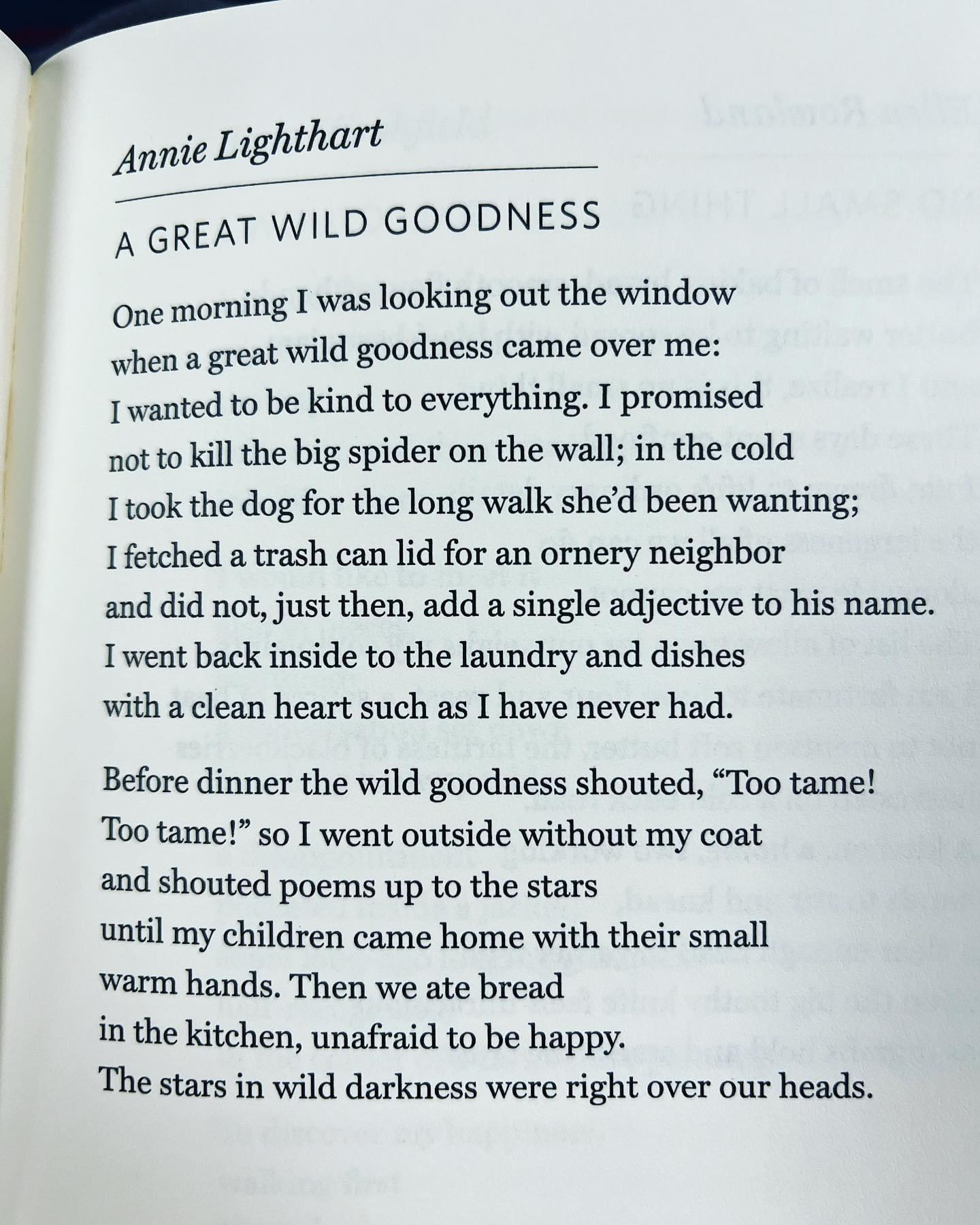
A KINDLY KIND-OF-NESS
It’s a great Friday Blog Question:
IS IT POSSIBLE TO BE KIND TO EVERYTHING. . . ?
or to poetically put it:
CAN KINDNESS BE BROUGHT TO AN EVERYTHINGNESS. . .

Driving
Defensively
Looking for hazards
Watching for water filled potholes
He appeared across my windshield
Inside
Traversing it’s clear continent
Owning it
Like an unexplored universe
Not yet known
Discovered
Far from knowing
He could be exterminated
Crushed not so carefully
From a runaway McDonald’s napkin
Snuggled between the car seat
But when arriving safely to my destination
We both escaped from unknown dangers
Never to be seen/known
By the other
Still alive
For a time
A Kindly Kind-of-ness
Without a sacred
all relieving
Gratitude
Unoffered
But received
(With a Praise to be to the Universe Creator for not allowing it to be snake)

A GULP OF KINDNESS
And just like
T H A T
we are quickly into the Season of Auld Lang Syne
and hopefully doing just a little bit more than raising a
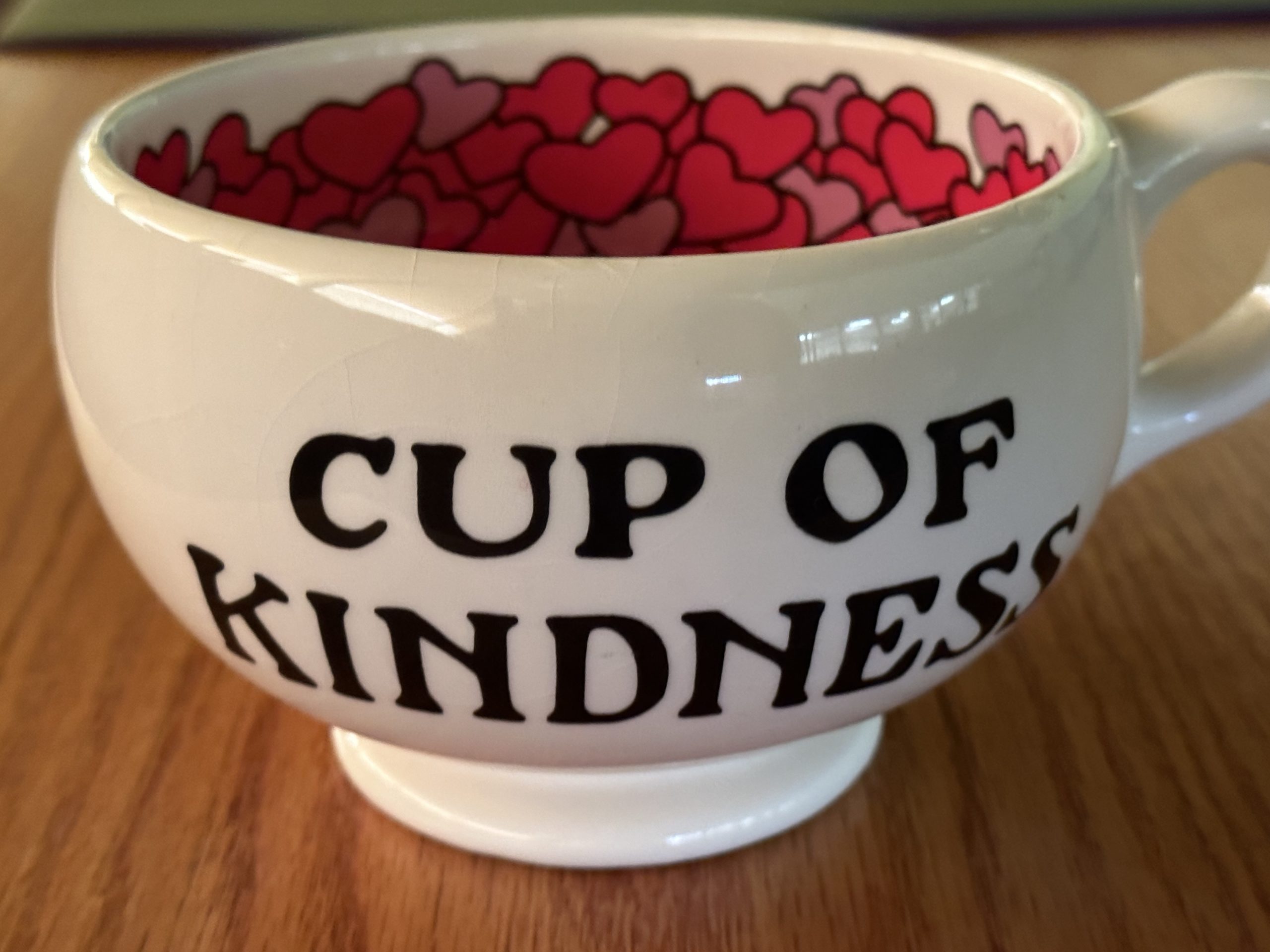
CUP OF KINDNESS
as we take a sip
and share a Gulp. . .
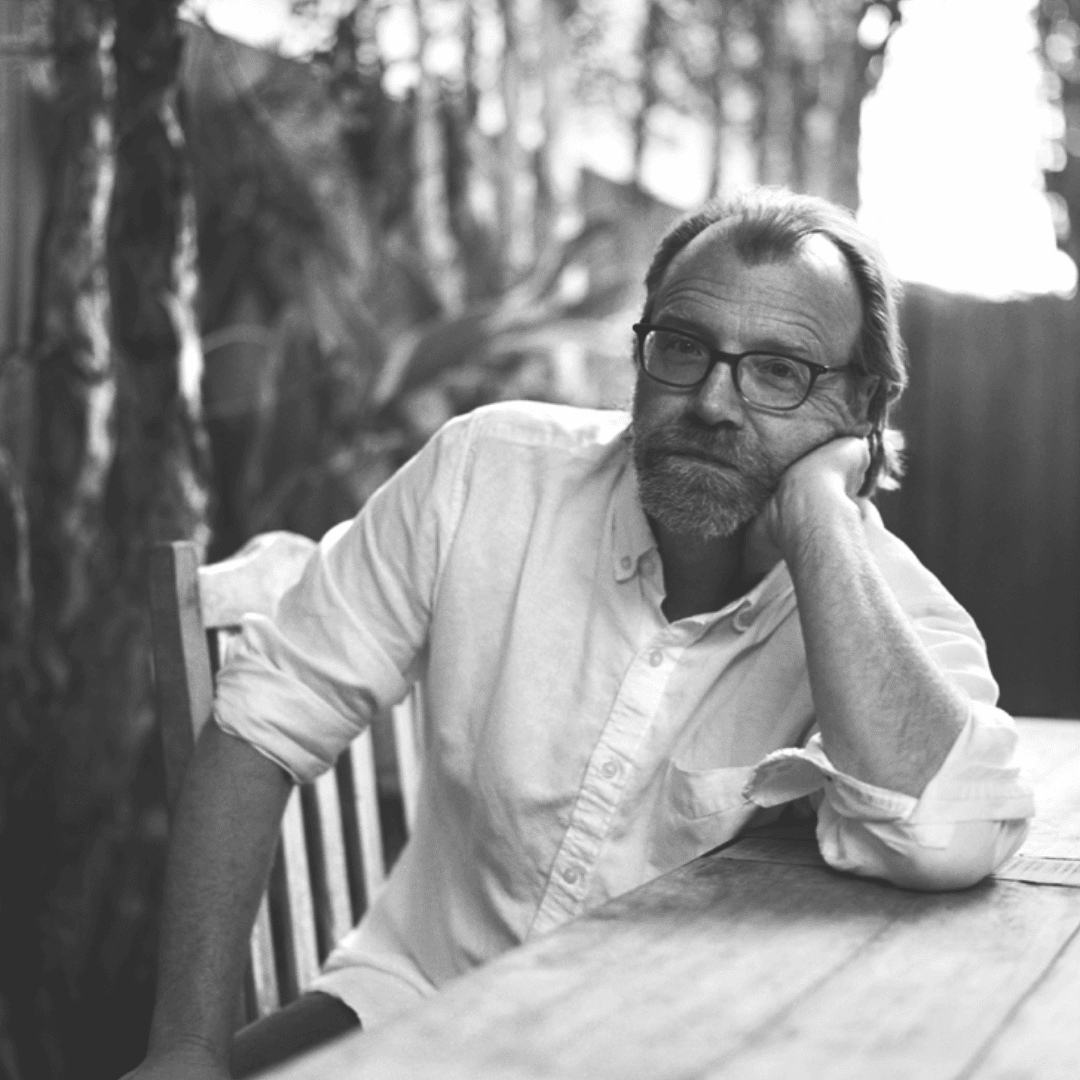
I recently re-read the Commencement Address author George Saunders gave which reads well in all Seasons, as each day brings us to a Commencement Ceremony. He shares:
What I Regret Most Are Failures of Kindness
(–by George Saunders, syndicated from theladders.com, Jul 28, 2018)
Down through the ages, a traditional form has evolved for this type of speech, which is: Some old fart, his best years behind him, who, over the course of his life, has made a series of dreadful mistakes (that would be me), gives heartfelt advice to a group of shining, energetic young people, with all of their best years ahead of them (that would be you).
And I intend to respect that tradition.
Now, one useful thing you can do with an old person, in addition to borrowing money from them, or asking them to do one of their old-time “dances,” so you can watch, while laughing, is ask: “Looking back, what do you regret?” And they’ll tell you. Sometimes, as you know, they’ll tell you even if you haven’t asked. Sometimes, even when you’ve specifically requested they not tell you, they’ll tell you.
So: What do I regret? Being poor from time to time? Not really. Working terrible jobs […] Not so much. Do I regret the occasional humiliation? Like once, playing hockey in front of a big crowd, including this girl I really liked, I somehow managed, while falling and emitting this weird whooping noise, to score on my own goalie, while also sending my stick flying into the crowd, nearly hitting that girl? No. I don’t even regret that.
But here’s something I do regret:
In seventh grade, this new kid joined our class. In the interest of confidentiality, her Convocation Speech name will be “ELLEN.” ELLEN was small, shy. She wore these blue cat’s-eye glasses that, at the time, only old ladies wore. When nervous, which was pretty much always, she had a habit of taking a strand of hair into her mouth and chewing on it.
So she came to our school and our neighborhood, and was mostly ignored, occasionally teased (“Your hair taste good?” — that sort of thing). I could see this hurt her. I still remember the way she’d look after such an insult: eyes cast down, a little gut-kicked, as if, having just been reminded of her place in things, she was trying, as much as possible, to disappear. After awhile she’d drift away, hair-strand still in her mouth. At home, I imagined, after school, her mother would say, you know: “How was your day, sweetie?” and she’d say, “Oh, fine.” And her mother would say, “Making any friends?” and she’d go, “Sure, lots.”
Sometimes I’d see her hanging around alone in her front yard, as if afraid to leave it.
And then — they moved. That was it. No tragedy, no big final hazing.
One day she was there, next day she wasn’t.
End of story.
Now, why do I regret that? Why, forty-two years later, am I still thinking about it? Relative to most of the other kids, I was actually pretty nice to her. I never said an unkind word to her. In fact, I sometimes even (mildly) defended her.
But still. It bothers me.
So here’s something I know to be true, although it’s a little corny, and I don’t quite know what to do with it:
What I regret most in my life are failures of kindness.
Those moments when another human being was there, in front of me, suffering, and I responded . . . sensibly. Reservedly. Mildly.
Or, to look at it from the other end of the telescope: Who, in yourlife, do you remember most fondly, with the most undeniable feelings of warmth?
Those who were kindest to you, I bet.
It’s a little facile, maybe, and certainly hard to implement, but I’d say, as a goal in life, you could do worse than: Try to be kinder.
Now, the million-dollar question: What’s our problem? Why aren’t we kinder?
Here’s what I think:
Each of us is born with a series of built-in confusions that are probably somehow Darwinian. These are: (1) we’re central to the universe (that is, our personal story is the main and most interesting story, the only story, really); (2) we’re separate from the universe (there’s US and then, out there, all that other junk – dogs and swing-sets, and the State of Nebraska and low-hanging clouds and, you know, other people), and (3) we’re permanent (death is real, o.k., sure – for you, but not for me).
Now, we don’t really believe these things – intellectually we know better – but we believe them viscerally, and live by them, and they cause us to prioritize our own needs over the needs of others, even though what we really want, in our hearts, is to be less selfish, more aware of what’s actually happening in the present moment, more open, and more loving.
So, the second million-dollar question: How might we DO this? How might we become more loving, more open, less selfish, more present, less delusional, etc., etc?
Well, yes, good question.
Unfortunately, I only have three minutes left.
So let me just say this. There are ways. You already know that because, in your life, there have been High Kindness periods and Low Kindness periods, and you know what inclined you toward the former and away from the latter. Education is good; immersing ourselves in a work of art: good; prayer is good; meditation’s good; a frank talk with a dear friend; establishing ourselves in some kind of spiritual tradition — recognizing that there have been countless really smart people before us who have asked these same questions and left behind answers for us.
Because kindness, it turns out, is hard — it starts out all rainbows and puppy dogs, and expands to include . . . well, everything.
One thing in our favor: some of this “becoming kinder” happens naturally, with age. It might be a simple matter of attrition: as we get older, we come to see how useless it is to be selfish — how illogical, really. We come to love other people and are thereby counter-instructed in our own centrality. We get our butts kicked by real life, and people come to our defense, and help us, and we learn that we’re not separate, and don’t want to be. We see people near and dear to us dropping away, and are gradually convinced that maybe we too will drop away (someday, a long time from now). Most people, as they age, become less selfish and more loving. I think this is true. The great Syracuse poet, Hayden Carruth, said, in a poem written near the end of his life, that he was “mostly Love, now.”
And so, a prediction, and my heartfelt wish for you: as you get older, your self will diminish and you will grow in love. YOU will gradually be replaced by LOVE. If you have kids, that will be a huge moment in your process of self-diminishment. You really won’t care what happens to YOU, as long as they benefit. That’s one reason your parents are so proud and happy today. One of their fondest dreams has come true: you have accomplished something difficult and tangible that has enlarged you as a person and will make your life better, from here on in, forever.
Congratulations, by the way.
When young, we’re anxious — understandably — to find out if we’ve got what it takes. Can we succeed? Can we build a viable life for ourselves? But you — in particular you, of this generation — may have noticed a certain cyclical quality to ambition. You do well in high-school, in hopes of getting into a good college, so you can do well in the good college, in the hopes of getting a good job, so you can do well in the good job so you can . . .
And this is actually O.K. If we’re going to become kinder, that process has to include taking ourselves seriously — as doers, as accomplishers, as dreamers. We have to do that, to be our best selves.
Still, accomplishment is unreliable. “Succeeding,” whatever that might mean to you, is hard, and the need to do so constantly renews itself (success is like a mountain that keeps growing ahead of you as you hike it), and there’s the very real danger that “succeeding” will take up your whole life, while the big questions go untended.
So, quick, end-of-speech advice: Since, according to me, your life is going to be a gradual process of becoming kinder and more loving: Hurry up. Speed it along. Start right now. There’s a confusion in each of us, a sickness, really: selfishness. But there’s also a cure. So be a good and proactive and even somewhat desperate patient on your own behalf — seek out the most efficacious anti-selfishness medicines, energetically, for the rest of your life.
Do all the other things, the ambitious things — travel, get rich, get famous, innovate, lead, fall in love, make and lose fortunes, swim naked in wild jungle rivers (after first having it tested for monkey poop) – but as you do, to the extent that you can, err in the direction of kindness. Do those things that incline you toward the big questions, and avoid the things that would reduce you and make you trivial. That luminous part of you that exists beyond personality — your soul, if you will — is as bright and shining as any that has ever been. Bright as Shakespeare’s, bright as Gandhi’s, bright as Mother Teresa’s. Clear away everything that keeps you separate from this secret luminous place. Believe it exists, come to know it better, nurture it, share its fruits tirelessly.
And someday, in 80 years, when you’re 100, and I’m 134, and we’re both so kind and loving we’re nearly unbearable, drop me a line, let me know how your life has been. I hope you will say: It has been so wonderful.
Congratulations, Class of 2013.
I wish you great happiness, all the luck in the world, and a beautiful summer.
Hmmmmmmmmmmmmmmmmmm
Kind of makes you a little thirsty for a good gulp of Kindness
B O T H
one that refreshes as it renews
some much needed
and appreciated
K I N D N E S S
JUST BEYOND LOOKING(and actually seeing)
“I SEE YOU!’
‘I AM HERE!’
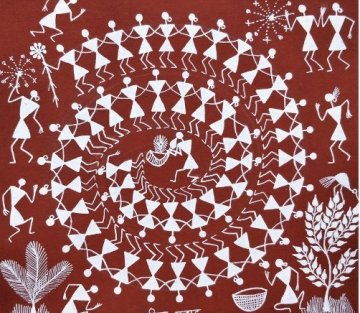
“For centuries, African Bushmen have greeted each other in this way. When one becomes aware of his brother or sister coming out of the brush, he exclaims, ‘I See You!’ and then the one approaching rejoices, ‘I Am Here!’
“This timeless bearing witness is both simple and profound, and it is telling that much of our modern therapeutic journey is suffered to this end: to have who we are and where we’ve been be seen. For with this simple and direct affirmation, it is possible to claim our own presence, to say, ‘I Am Here.’
“Those people in our lives who have validated our personhood by seeing us and exclaiming so are the foundations of our self-worth. Think of who they are.
“For me, the first to rejoice at my scrambling into the open was my grandmother. If not for her unequivocal love, I might never have the courage to express myself at all. And, after all, isn’t art in all its forms the beautiful trail of our all-too-human attempts to say, again and again, I Am Here.
“It is important to note that being seen enables us to claim our lives, and then it becomes possible to pass the gift on to others. But just as important as bearing witness is the joy with which these Bushmen proclaim what they see. It is the joy of first seeing and first knowing. This is a gift of love.
“In a culture that erases its humanity, that keeps the act of innocence and beginning invisible, we are sorely in need of being seen with joy, so we can proclaim with equal astonishment and innocence that of all the amazing things that could have been or not, We Are Here.
“As far back as we can remember, people of the oldest tribes, unencumbered by civilization, have been rejoicing in being on earth together. Not only can we do this for each other, it is essential.
“For as stars need open space to be seen, as waves need shore to crest, as dew needs grass to soak into, our vitality depends on how we exclaim and rejoice, ‘I See You!’ ‘I Am Here’”
~Mark Nepo from The Book of Awakening: Having the Life You Want by Being Present to the Life You Have

See. . .
There’s always another way to say it
There’s always another way to hear it
There’s always another way to see it
THERE’S ALWAYS ANOTHER WAY TO BE IT
. . . .Questions, Class?
L I F E and it’s MEANING
Meaning in Your Life
Sounds like a haunting kind of a headline, doesn’t it. . .
BUT
isn’t that what we’re all trying to find
with every turning page in the book of our lives. . .
Struggling to find a sense of meaning in life?
Researchers have identified three different pathways to it
Feeling that your life has meaning is fundamental to the experience of being human, and people who feel this way tend to be healthier and happier. Given the importance that most people place on meaning, how might we cultivate the feeling that life is meaningful?

For most of the 20th century, philosophers, psychologists, and psychiatrists argued that meaning in life is a rare, profound experience, attainable through an active search, deep self-reflection, or some other arduous way of creating meaning in a seemingly meaningless world. But we now know that most people, most of the time, report that their lives feel more meaningful than not. Although actively constructing meaning may be required in some cases—for example, when your world is turned upside down after a traumatic event—cultivating meaning in life may be as simple as detecting the meaning that is already there.
Researchers’ definitions of meaning in life typically incorporate three themes: the belief that your life and contributions matter to others and yourself, the feeling that your life makes sense, and the feeling that you are actively pursuing fulfilling goals. Other research further corroborates the idea that significance (mattering), coherence (making sense), and purpose(orienting toward goals) represent three interrelated facets of, or perhaps direct pathways to, the experience of meaning in life.
Based on those three pathways, here are some relatively simple things you can do to maintain or enhance your experience of meaning in life.
The experience of significance in life
There is great comfort in believing that your life and actions matter in the grand scheme of things. This conviction is referred to as “existential mattering” and is a strong component of the experience of meaning in life. While the concept of existential mattering often evokes images of famous (and infamous) people who have done extraordinary things in their lives—like Mother Theresa, Cesar Chavez, or Bill Gates—many people gain a sense of mattering through avenues more easily traversed.
Research shows that feeling that you have made a positive influence on others is, unsurprisingly, almost always associated with the belief that your life is meaningful. Existential mattering then is often rooted in a sense that you matter to others—from helping strangers in need and providing social support to loved ones, to simply being a reliable friend.
The feeling that your life is significant is related to more than feeling that your actions are influential to others. Significance is augmented when your behaviors, or experiences more broadly, matter to yourself. This aspect of significance is related to psychiatrist Viktor Frankl’s idea of finding beauty and meaning in life through lived experience. For example, the experience of meaningfulness can be found by enjoying riveting musical performances, being in awe of natural beauty, or simply appreciating an authentic interaction with another person.
One way to perceive more significance in your life is to actively seek out intrinsically rewarding experiences, like (re)connecting with nature or people who make it easy to express your true self. Moreover, many cognitive or emotional regulation strategies, such as practicing mindfulness, savoring the positive aspects of situations, cultivating a grateful disposition, or learning to evaluate your experiences more positively, naturally foster the detection of significance in your life experiences.
Although such experiences may lead the self to feel small in the context of vastness, they may also remind us that we belong to that vastness—that we are an indelible part of the wider universe in which we exist.
Sensing coherence
Coherence is the feeling that your life makes sense. For most people, most of the time, understanding life isn’t a problem requiring a solution. We are natural sense makers, automatically comprehending most situations effortlessly. In fact, a likely reason we don’t think about meaning in life too much is that our lives simply feel right (that is, things simply make sense). Our lives are embedded in a natural world characterized by regularities—sunrises and sunsets. We overlay these regularities with our own routines—morning coffee or an evening walk. The regularities of life provide the rhythms that undergird the feeling that life is meaningful.
Of course, life does not always make sense. For example, you may feel a sense of incomprehensibility after experiencing trauma or, counterintuitively, trying too hard to understand why your life has meaning.
Of all of the facets of meaning, coherence likely represents a basic psychological need. Similar to the anguish we feel when our need to belong is thwarted, our world seems to fall apart when things suddenly do not make sense. Restoring a sense of coherence during these times can be challenging and often requires feedback and reassurance from others (like a therapist or parent), as well as the mysterious healing power of time to help the mind restore a sense of equanimity. Reconnecting with the natural order of the world, reinstating routines that give structure to life, and finding respite in the arts may help you make sense of life again.
Although the inability to make sense of your life can detract from the experience of meaning, simply making sense of it doesn’t necessarily mean that life will feel meaningful. It is easy, for example, to think of an individual who possesses a cynical belief about how their life has unfolded. This worldview may help the individual make sense of their situation and life more broadly, but it seems unlikely to foster the belief that their life is full of meaning. This example illustrates how meaning is not simply about “connecting the dots” but also finding beauty in the picture that emerges.
Imbuing life with a sense of purpose
“Clear eyes, full hearts (can’t lose)” was the mantra of the Dillon Panthers, the fictitious football team familiar to fans of the popular TV show “Friday Night Lights.” One reason clearing one’s eyes, and subsequently filling one’s heart, is a successful strategy for football players and, perhaps, everyone is that people in this psychological state can pursue their goals with a greater sense of purpose. Feeling a sense of purpose helps us sustain motivation though the thick and thin of everyday life, and purposeful people tend to be more satisfied with their lives and even live longer. Purpose, therefore, is tied to both the quality and quantity of our existence.
One factor that facilitates purposeful action is possessing a clear reason for engaging in whatever you are doing. Knowing the “why” of your actions can infuse even trivial behaviors with value. Nietzsche famously noted that the person “who has a why to live can bear almost any how.” By developing a clear reason for pursuing a goal, the “how” of your goal-directed actions becomes more tolerable (and often more enjoyable) because those actions are now connected with a more long-term objective. For example, although most students would rather socialize with friends than study before an exam, clearly understanding that this minor hedonic sacrifice will help them obtain a rewarding job down the line should make it easier to commit to exam prep.
Even as your nose is firmly “to the grindstone,” clear eyes can be trained on a broader life dream. The overarching reason for existence can be found in “God’s plan” or a life calling, but a sense of the why of behaviors is not limited to such grand experiences. Taking time to reflect on your life dreams—to write the next chapters of your life story—can help to connect everyday life and daily goals to broader aspirations. Instead of wandering aimlessly, having “clear eyes” gives you a sense of direction and the motivation (a full heart) to help you achieve your goals and allow those accomplishments to imbue your life with meaning.
Some reasons for goal pursuit may be better than others, though. A person who feels they should perform a task only because their supervisor asked them to do it is unlikely to enjoy a sense of purpose while performing that work. Instead, purposeful behaviors are by definition pursued for more intrinsic reasons, often related to core aspects of one’s identity. For example, people may volunteer at a homeless shelter for various reasons, but the person who does so because they feel their actions are consistent with an internalized value of helping others in need are more likely to derive a sense of purpose from the experience.
The capacity of meaning to allow us to wake up every morning and do what needs to be done requires that meaning be present even in suffering. And this is where a sense of purpose is powerful. Although all human lives matter, they all also end and, in the grand scheme, may not hold the promise of a place in history, threatening our sense of significance. Similarly, although life very often makes sense, random, senseless events do occur that can destabilize our sense of coherence—from natural disasters to random acts of horrific violence. But purpose may be the facet of meaning that is least dependent on happenstance. No matter the circumstance, purpose—the capacity to invest in goals—is available, promising to imbue life with meaning.
Although it may be common folklore that ardently searching for, and effortfully creating, meaning in life is the primary way to truly experience this sought-after feeling, research suggests that most of the time meaning is actually quite easy to detect. Trying to understand why our life is meaningful may serve a function when life becomes incomprehensible, but ultimately it may never yield a satisfying answer. Meaning is not just found in one place. It is all around us—in our relationships, work, and spiritual and religious beliefs, as well as through the appreciating of life itself.

WE ARE ALL HUMAN
W E
A R E
A L L
H U M A N. . .
Walking along a busy street in Edinburgh, my eye caught a sign resting at the feet of a man sitting on the pavement outside a posh hotel. It simply read, ‘I am a human being.’ It stopped me dead in my tracks. Kneeling down to take a closer look, I struck up a conversation with Sparky. And what started as a quick chat, turned into a few hours together, while Sparky shared his story with us. We need to remember that every person, regardless of their situation, is a human being with dignity, with a name, a story, a family and a history – like all of us. We’re all human. And if you ever find yourself in Edinburgh, go have a chat with Sparky – you won’t regret it. You can usually find him outside All Bar One, corner of George and Hanover Street. To follow our film making journey – https://www.patreon.com/greenrenaissance Filmed in Edinburgh, Scotland. Who is Green Renaissance? We are a tiny collective of 3 passionate filmmakers (Michael, Justine and Jackie). We live off-grid and dedicate our time to making films that we hope will inspire and share ideas.

IS THERE A MORE POWERFUL
FOUR-WORDED MESSAGE. . .
we
are
all
human
Uhhhhhhhhhhhhhhhhhhhhhhhhhhhhhhhhhhhhhh
YOU SO POWERFULLY
L I V E
The Answer
THE MEN WHO TAKE ME PLACES
I have shared some other Ben Rector songs on this blog post before, maybe the most recent was back around Thanksgiving, literally called the THANKSGIVING SONG. . .but this one, like so many other YouTube videos found me recently even though it was recorded over 6 years ago, but the message. . .THIS MESSAGE
is a truly timeless one that hopefully will allow you to do more than tap your toe or bob your head as you listen way past the message a tune can bring in a lyrical moment. . .h o p e f u l l y
It just might remove a few questions about the
WHY’S
HOW COME’S
WHAT FOR’S
in your heart that’ll let it beat a little easier
as you become a better Caring Catalyst
just by allowing others to make you
S O