My Christmas wish is simple. . .
but so much more sincerely extended to you:
MERRY CHRISTMAS~~
may this time give more than Promised
and exceed all you expect
Who Cares - What Matters
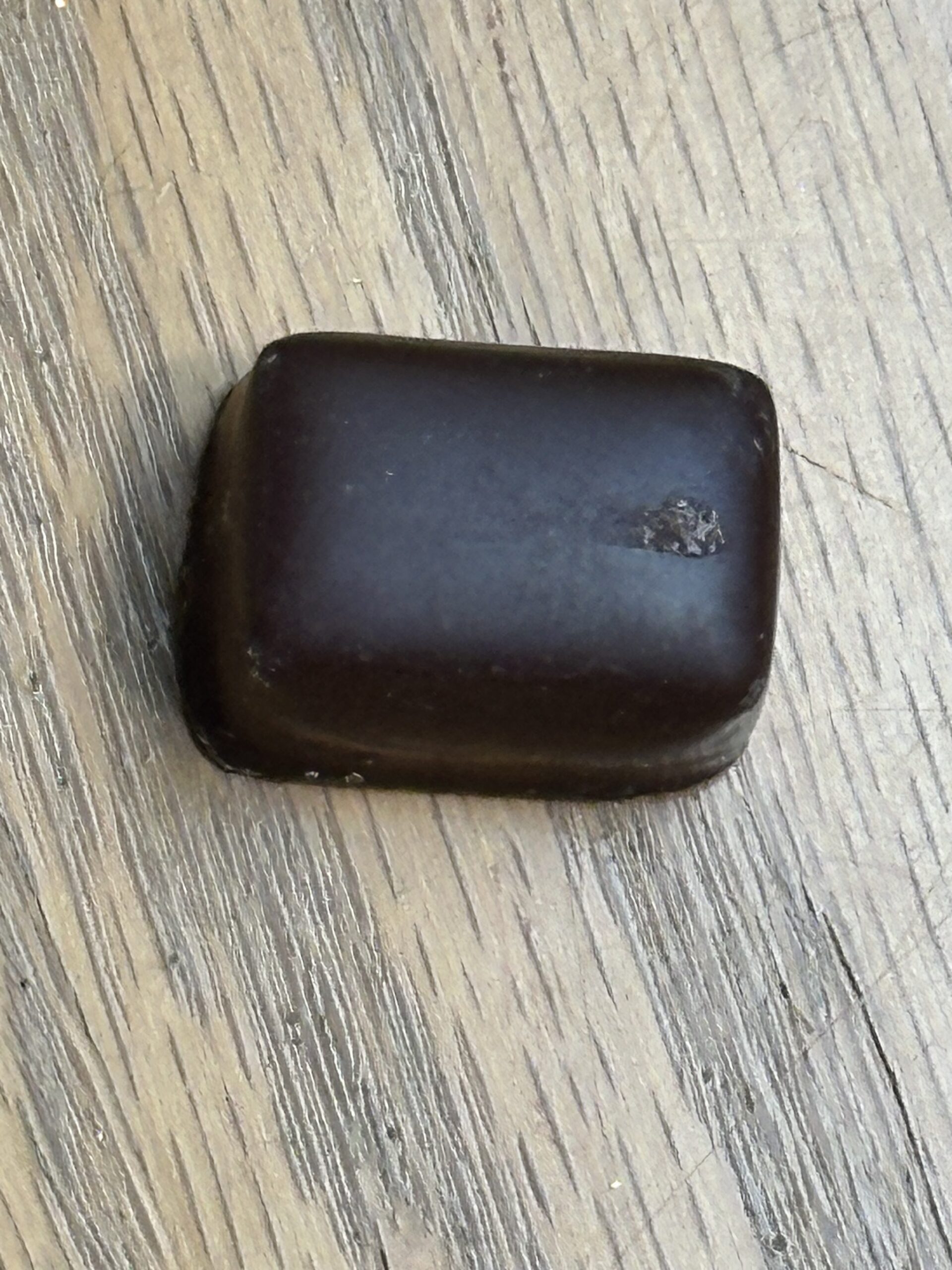
If you think this is about
CHOCOLATE

t h i n k
CONSIDER
a g a i n. . .
and
“Don’t forget what happened to the man who suddenly got everything he wanted. . .
He lived happily ever after.”
Hmmmmmmmmmmmmmmmmmmmmmm:
I M A G I N E
t h a t
When something really bad happens to you, how do you think about your future? Catastrophizers think, Everything will now unravel, and my life will be ruined. This mindset turns out to be an enormous impediment to happiness and, even worse, it is a major risk factor for posttraumatic stress disorder (PTSD).
We found this out by tracking every single one of the 79,438 U.S. Army soldiers who deployed to Iraq or Afghanistan from 2009 to 2013. On their very first day in the Army, they took a psychological questionnaire asking them to rate how they felt about several statements related to pessimism and its most extreme form, catastrophization. For example:
It turns out that we could have used the day-one questionnaire to predict robustly who would develop PTSD. Catastrophizers who faced severe combat stress were almost four times as likely as noncatastrophizers to get PTSD over the course of their service. But even those catastrophizers who faced minimal combat were at greater risk for PTSD than noncatastrophizers, and at all other levels of combat as well.

Combat is near the extreme of the bad events that human beings face. So what is the lesson for the rest of us, the civilian population? If you catastrophize, you will likely suffer more from bad events, and if you have the opposite, optimistic mindset, you will likely be more resilient.
I confess that I am a catastrophizer, but I take my own medicine. I have learned how to combat catastrophization, and you can too. In our upcoming book Tomorrowmind, Gabriella Rosen Kellerman and I discuss how you can build this strength. One potent exercise is “putting it in perspective”: you begin by imagining a troubling event which has an uncertain, but potentially terrible, explanation. For soldiers, the example was a man missing at night. They start with the worst possible explanation: “He’s dead, and it’s all my fault.” Then, the best possible: “His radio battery died, and he will show up in a few minutes.” Finally, the most likely, along with plans to cope with it: “He’s probably injured, so we need to retrace our steps, find him, and bring him back.” Following this pattern built resilience in soldiers.
When COVID-19 broke out as I neared my 78th birthday, I catastrophized: “I’m in the most vulnerable group. I am sure to die.” But then I asked myself about the best outcome: “I am very healthy and will likely escape altogether.” And then I focused on the most likely outcome, and I planned for it: “I will isolate for now as best I can, take all the vaccines, and escape with a mild case, if that.” There is no way to completely eliminate uncertainty from your life. But this exercise is one way to systematically reduce catastrophization—and, therefore, both maintain happiness despite uncertainty and develop emotional resilience.
Do you have Stinking’ Thinking’?
Are you a true Catastrophizer. . .
and you handle it by______________________
and now you will at least try to:
______________________________________
Uhhhhhhhhhhhh. . .
try filling in your own blanks
. . .an ounce of
self-acceptance
and a pinch of self-compassion
may bring you a ton
of
s a t i s f a c t i o n

Ok, full discloser, I LOVE WRITING. I always have. Perfect gifts for me have always been books, notebooks, pens, pencils, paper. . .lots of blank paper.
And with this I always believed that I would be a raw child phenom writer; published way before my time (and everyone else’s) to the chagrin of many who tried but could just never succeed or even be recognized and affirmed. THIS is why, with the help of my school secretary mom, who had access to the office ditto machine, I put together a poetry book and handed out to friends and family when I graduated from high school.
College brought on a whole new challenge as I actually majored in English with an emphasis on Creative Writing. HEAVEN but, but still no official publication except from some college newspaper and literary magazine we put out quarterly, but I had a big drawer with rejection slips politely telling me, “We thank you for your submission, but it doesn’t fit our standards. . . .”
Pages and pages were written and as I moved to and through Seminary with an emphasis on Social Ethics/Pastoral Care, I was able to convince my Advisor to write five short stories for my Thesis based on some theories of Peter Berger. It got me my Master of Divinity Degree and with graduation and full time parish ministry came lots of speaking, sermons, teaching, youth grouping and continued rejection slips.
But the writing never stopped. Writing classes. Two unpublished novels. Lots of poems. Many speaking engagements and an idea. Brilliant actually, especially for the acting President of the IMPOSTER SYNDROME CLUB. I write, because I can’t help it. Which is probably why I have close to 2000 blog posts, many of them featuring some of my poetic expressions. I no longer write for traditional publication. I write now for all things to Self-Publish (because I can totally control all aspects of the writing/publication and distribution) and, wait for it. . .
TO LITERALLY GIVE IT ALL AWAY. . .in fact, one of my goals for 2023 is to give away up to 1000 books hand in hand with my presentations.
(WHICH BRINGS US TO THE REASON FOR THIS PARTICULAR BLOG POST
A GIVE-AWAY of sorts. . .
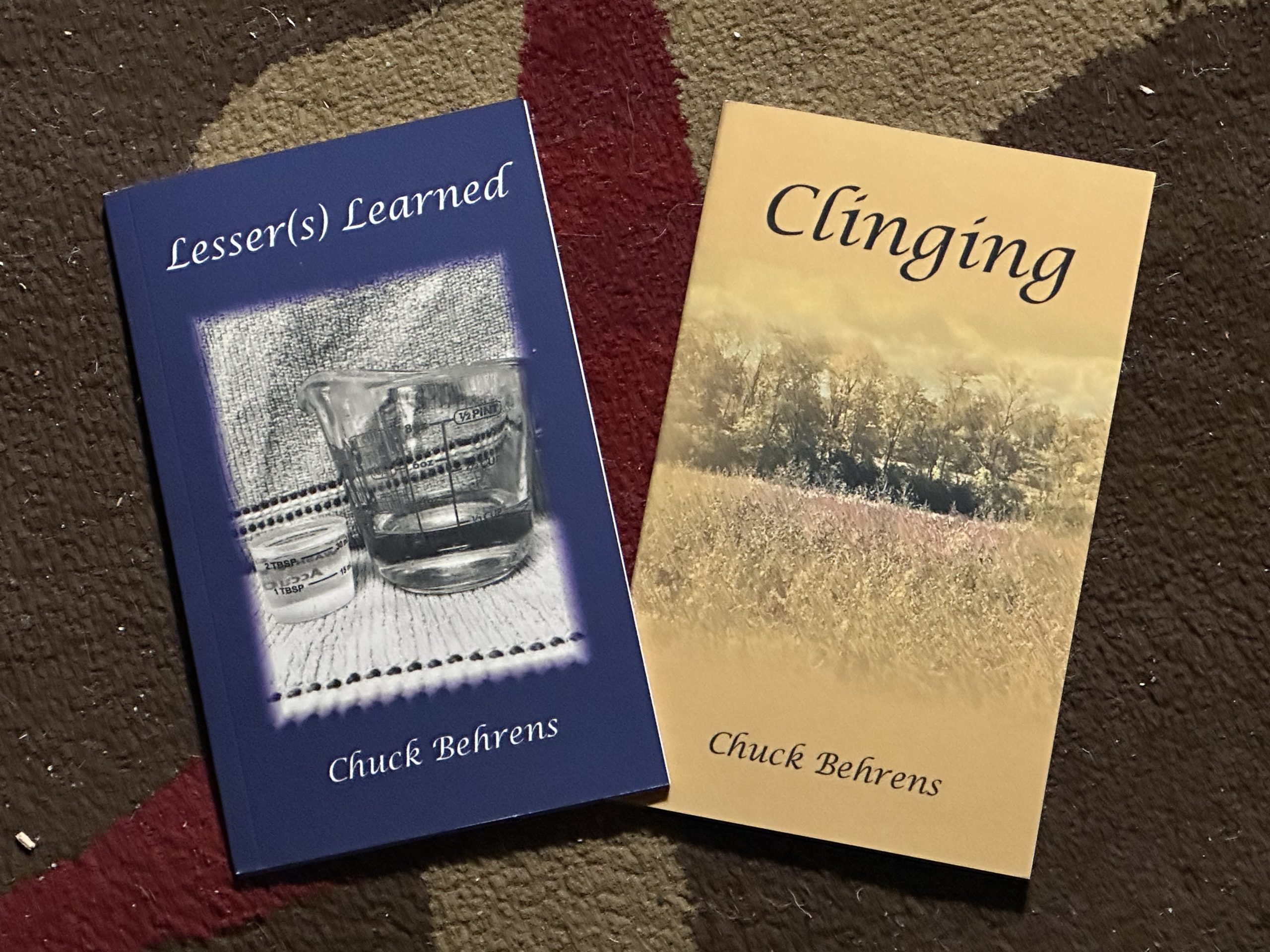
I accepted a poetry challenge this past year, actually three of them which resulted in over 60 poems. The first Challenge was in February where I had to write 15 poems in 15 days of just 15 lines on several prompts that were provided. I think in one-liners or poetic lines. (I DARE YOU TO LOOK AT MY FACEBOOK/TWITTER/INSTAGRAM feeds). The second Challenge happened in April: NATIONAL POETRY MONTH where I was allowed to write 30 poems in 30 days up to 30 lines or less a piece. The third Challenge was this Fall where it followed the first challenge of 15 poems, in 15 days of just 15 lines on the prompts they suggested. I was a little surprised that they were published and both appeared in Amazon Prime as separate Chapbooks for $10.00 a piece. I was able to purchase them at half that price and have given about 50 a piece away and now for a brief period of time, will use as a fundraiser for the small church I have served at North Royalton Christian Church since 1995. No price tag attached, not even a suggestion–purely whatever you’d like to donate
Ohhhhhhhhhhhhhhhhhhhhhhhhhhhhhhhhh
I did mention that I am the acting President of the IMPOSTER SYNDROME CLUB, didn’t I?
As another safety net
(p a d d i n g)
or layer
I found this perfect quote
almost as a disclaimer:
So as I have accepted a few Challenges this year
Let me know if you’d like to accept mine
and donate accordingly. . .
and I’ll leave you with one more meager poem
(not yet submitted or self-published:

Have you ever slept like a baby. . .
Most of us do
W H I C H
is not always as peaceful as we would choose;
NO
we may not wake up
needing to be fed
or changed
but. . .
They tell us we should sleep like a baby
well, I don’t know about you
but as a baby I didn’t sleep so well
sometimes I still don’t
. . .NOW
don’t get me wrong
I’m the first guy who’s head hits the pillow
asleep within moments
literally
in fact when listening to music at night
I usually don’t make it through the first song
BUT
staying asleep
that might be a different matter
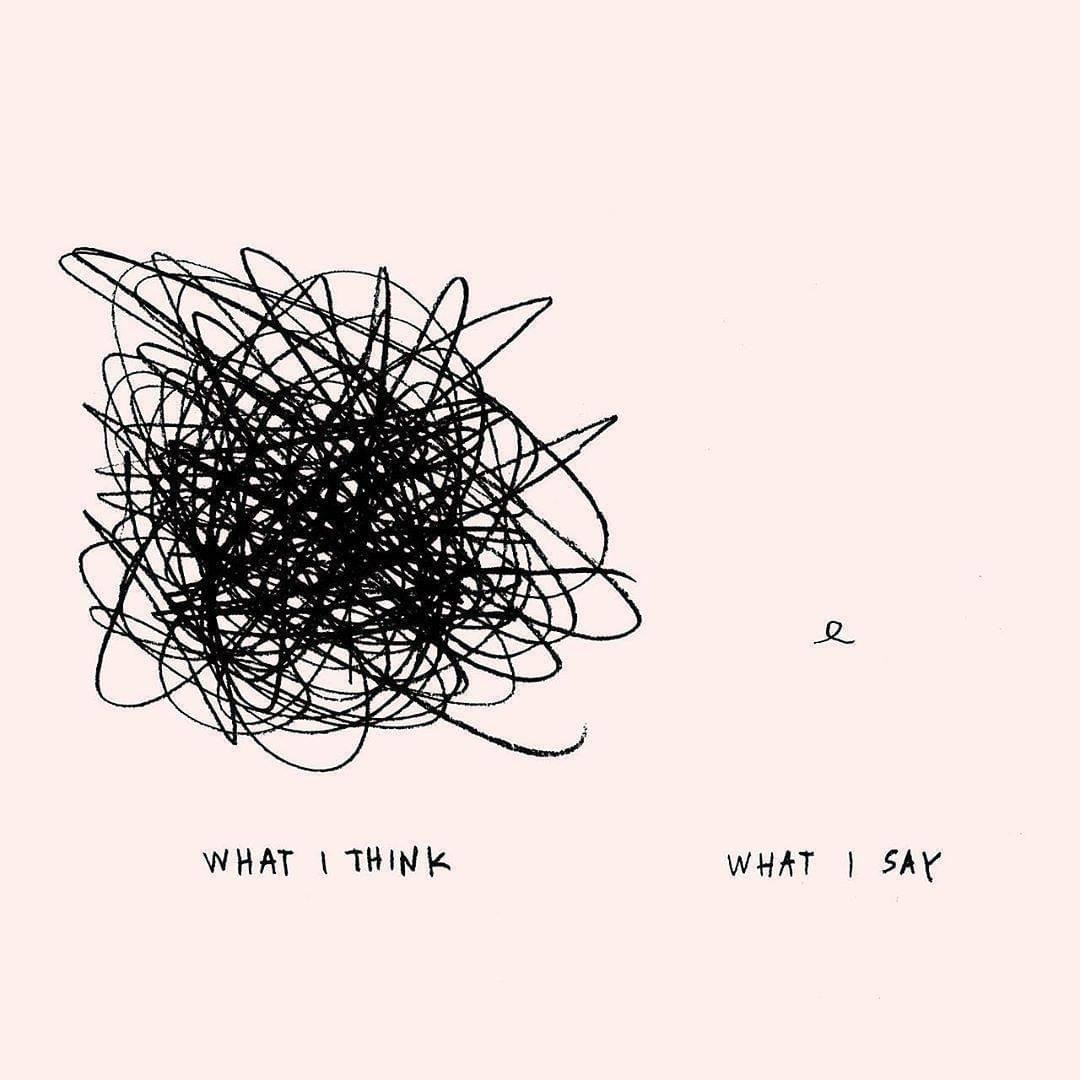
and then getting back to sleep after you wake up that might be a whole Nother matter to because once your mind starts wandering or racing or thinking or having that monkey mindedness about it, it’s like somebody shakes the snow globe of your mind and for whatever time you have left before you get up well the snow globe never settles does it.
SO
what’s the cure
because finding that cure
would be a gazillion-billion-dollar business
but most often it doesn’t come
in the form of a pill
it’s not a honey-thickend-nectar
that you can drink
it is certainly not some magic potion
you just need to rub on a certain spot
on your body. . .
Do you count sheep.
Say the alphabet ~~backwards.
Pray.
Count your blessings.
Meditate.
Breathe exercises or ___________________
well, you fill the in the blank
which often stays blank. . .
WHAT’S YOUR GO TO. . .

Maybe it’s not so much
what gets you to sleep
or what keeps you to sleep
but what allows you to rest
when you’re not asleep. . .
ANSWER ME THAT
and it’ll give a new meaning to
D R E A M
S W E E T L Y

ARE YOU ONE. . .
I’ve had some of my greatest dreams
why I’ve been open-wide-eyed awake
. . .YOU?
I schedule time
R E G U L A R L Y
to do some serious
MIND WANDERING
and it’s brought about
not only
blog posts
presentations
sermons
CHUCK-IT’S like:

a n d

a n d

. . .and so many others you’ve yet to even glimpse yet
because what once was criticized often to me
from countless Teachers and Professors
who claimed that I wasn’t
FOcusEd
and I’ll never get anywhere
D A Y D R E A M I N G
had no idea
that it was all of the puzzle pieces
that were coming together
willy-NillIE
to make up
mE. . .
IT ALL MADE ME START
w o n d e r i n g
exactly WHAT:
JILL SUTTIE, Psy.D., is Greater Good’s former book review editor and now serves as a staff writer and contributing editor for the magazine. She received her doctorate of psychology from the University of San Francisco in 1998 and was a psychologist in private practice before coming to Greater Good.
Jill game me some new insight and made me a big believer in daydreaming now and then—especially when I’m out walking. There’s something about being in nature, making motion that helps me let go of daily cares and allows my mind to wander where it will, which feels great and often jumpstarts my creativity as a writer and a speaker.

I admit, though, I’ve been troubled by research showing how mind-wandering could make me less productive or depressed—the last thing I need! But it turns out this gap between personal experience and science may best be explained by how researchers have lumped together different kinds of mind-wandering. Not all research has differentiated between depressive rumination (like replaying an ongoing disagreement with our spouse in our minds) and pleasant daydreaming (letting our minds wander freely).
Now, some newer science is painting a more nuanced picture of what happens to us when we let our minds wander. Though the research is young and growing, it suggests that daydreaming may actually make us happier and more creative—if we do it the right way.
Anecdotally, mind-wandering has been associated with creativity for centuries. But this link to creativity may depend on the type of mind-wandering you do, as a new study by the University of Calgary’s Julia Kam and her colleagues suggests.
In this study, researchers used electroencephalogram technology to see what happens in our brains when we are engaged in different types of mind-wandering. To do that, they had people perform a mundane, repetitive task and interrupted them occasionally to see what they were thinking about, while continuously monitoring their brain activity.
Some participants reported thoughts that Kam calls “constrained,” involving things like ruminating over a fight with a spouse or thinking about how to manage a work problem. While these thoughts were not related to the task at hand, they were still somewhat focused. Others reported thoughts that were “freely moving”—meaning, they skipped from thing to thing—perhaps daydreaming about a future vacation in Italy, then wondering if they needed a new bathing suit, then fantasizing about an old flame.
When Kam and her colleagues matched people’s thoughts to their concurrent brain activity, they found signature patterns for different types of mind-wandering. In particular, freely moving thoughts were associated with increased alpha waves in the brain’s frontal cortex—a remarkable and novel finding, says Kam.
“What’s really striking about finding this neural marker is that it’s been implicated during studies of creativity,” she says. “When you introduce alpha oscillation in the frontal cortex, people perform better on creative tasks.”
This kind of brain activity maps well on to one particular aspect of creativity—divergent thinking or thinking “outside the box,” she says. When you’re generating ideas, you want to be able to go in many directions and not be constrained, which freely moving thought allows.
Mind-wandering has also been shown to enhance convergent thinking: what happens after you’ve brainstormed ideas and have to pick the best of the bunch, she adds. So, it’s likely that mind-wandering serves a creative purpose.
“If a problem has built up in your mind and you need to find a solution, letting it go into the background for a bit probably helps,” she says. “Mind-wandering facilitates the kind of solution that just comes to you, as in a lightbulb moment.”
This mirrors results from a 2015 study conducted by Claire Zedelius, formerly of the University of California, Santa Barbara. She looked at how mind-wandering affected people’s performance on a creativity test where they have to come up with a novel word (e.g., “food”) that fits with three seemingly unrelated words (e.g., “fish, fast, and spicy”). She found that people who mind-wandered performed better on this task, the answer coming to them in a flash rather than through methodically testing different solutions.
“People don’t even know how they got to the solution—it was just suddenly there,” she says. “Mind-wandering helps with ‘aha’ types of problem-solving.”
In a more recent study, Zedelius looked at the contents of people’s thoughts to see how that related to everyday creativity (outside of a lab setting). Participants, including some creative writers, were prompted via cell phones throughout the day to report on the nature of their thoughts and, at the end of the day, how creative they had been. Findings showed that people’s minds often wandered to fairly mundane things—like planning for a later shopping trip—and that these thoughts had no effect on creativity.
But when people’s minds wandered in more fantastical ways (playing out implausible fantasies or bizarre, funny scenarios, for example) or in ways that seemed particularly meaningful to them, they tended to have more creative ideas and feel more inspired at the end of the day, too. Interestingly, this was true for both writers and everyday people.
“Writers probably do this for their creative process all the time—thinking through stories, considering ‘what ifs’ or unrealistic or bizarre scenarios,” says Zedelius. “But lay people will also do this more to be more creative.”
This suggests that the link between mind-wandering and creativity is more complicated than previously thought. It seems to depend on how freely moving your thoughts are, the content of your thoughts, and your ability to be removed from everyday concerns. No doubt, this explains why my daydreaming on a hiking trail has led to song or story ideas that seem to bubble up from nowhere.
Prior research suggests a wandering mind is an unhappy mind: We tend to be less happy when we’re not focused on what we’re doing. And that’s likely true, if you tend to rehash past mistakes or replay social flubs when your mind wanders, or if your mind-wandering keeps you from fulfilling your goals.
Again, the content of wandering thoughts makes a big difference. For example, as one 2013 study showed, when people found their wandering thoughts more interesting, their moods actually improved while mind-wandering. Similarly, other studies have found that thinking about people you love or thinking more about your potential future than about what happened in the past produces positive results.
How you use mind-wandering may also be important. In some cases, people intentionally mind-wander—something that has been mostly unexplored in the research, but likely has distinct effects. As one 2017 study found, people who use daydreaming for self-reflection typically have more pleasant thoughts than people who simply ruminate on unpleasant experiences.
There is even some evidence that mind-wandering may be more of an antidote to depression than a cause. People who are depressed may simply replay events from their past to better understand what happened to cause their dark mood and avoid future problems. Also, when researchers studied whether a negative mood preceded or followed a mind-wandering episode, they found poor moods led to more mind-wandering but not vice versa, suggesting that mind-wandering may be helping people feel better.
Now, findings from a 2021 study suggest that mind-wandering that is more freely moving can actually improve your mood.
In this study, participants were prompted randomly via cell phone over three days to report how they were feeling (positive versus negative) and how much their thoughts were freely moving and related to what they were doing (or not).
After analyzing the data, the researchers found that when people’s thoughts were off-task, they generally felt more negative—similar to what earlier findings showed. But if their thoughts were free-moving, it had the opposite effect, helping people feel happier.
“Our findings suggest there might be positive aspects of mind-wandering,” the researchers conclude.
Again, I find that science supports my own experience. If I simply put myself in a space that lets my mind move freely, I don’t get depressed. On the contrary, I’m happier because of it.
While the research on this is still young, it does indicate there may be a right and a wrong way to mind-wander.
Kam warns that mind-wandering when you need to be focused on a task (or risk hurting yourself or others—like if you’re driving or doing surgery) could be problematic. But, she says, if you let your mind wander when you’re doing mundane tasks that don’t require focus—like knitting or shelling peas–it may help you feel better or come up with creative ideas.
“The context and the content of your mind-wandering is actually really important. It plays a role in whether you get a good outcome or a not-so-good one,” she says.
Though many of us have a default mode that takes our mind to dark places when we aren’t busily engaged, that doesn’t mean we have to stay stuck there. If we can divert our thoughts from those darker places, we’ll likely get more out of mind-wandering.
Kam thinks practicing mindfulness could help with that, as long as it increases awareness of our thoughts and alerts us when we’ve strayed into problematic thinking, which could then help us redirect our mind-wandering.
“Just having more control over when mind-wandering happens and the kind of thoughts that you have would be very useful,” she says.
Zedelius also says awareness matters. As many study participants told her, they had never paid much attention to where their minds went before being in her study, but found the process eye-opening.
“They would say, ‘I’ve become aware of patterns in my thoughts that I never noticed before—what I get drawn to,’” she says. “It makes me wonder if the repeated probing we do in our experiments could not just be used as a measure, but as a type of intervention, to see if awareness changes over time.”
Of course, even though daydreaming may be good for us, it gets a pretty bad rap in American culture. Americans tend to pride themselves on their strong work ethic—often translated as working hard for long hours with complete focus.
But people are not built to be “on” all of the time. Taking a mind-wandering break might be good not just for our creativity and happiness, but also for our productivity, especially if we are in jobs requiring focused attention that is draining to maintain. And, as long as it’s employed during times when complete focus isn’t required, it may improve our well-being without hampering performance.
We shouldn’t need an excuse to mind-wander, given that it’s part of our human inheritance. Besides, we’ve hardly begun to recognize what it can do for us, says Zedelius.
“My hope is that people will explore the limits of mind-wandering a bit more and try to mind-wander in a way that is bigger, more fantastical, more personally meaningful, and further into the future,” she says. “If people just really allowed themselves to playfully use this tool, they might be able to focus on creative solutions to big problems.”

HOW ABOUT A LITTLE MIND WANDERING
Psssssssssssssssssssssssssssssssssssssssssssst:
Dressing up or down
is optional
but the benefits
are
UNlimITEd
and
COUNTless

The Pandemic hasn’t been all BAD. . .
BECAUSE IT HAS GIVEN ME MORE OPPORTUNITIES TO
R E A D
A voracious reader
from the even before I could read
I have loved books
and have loved passing on my
LOVE OF BOOKS
from the very first one
I can ever remember
having

To the one
I just started last night

And the
OHHHHHHHHHHHHHHHHHHHHHHHHHHHHHHHHHHHHHHHHH
so many in between. . .
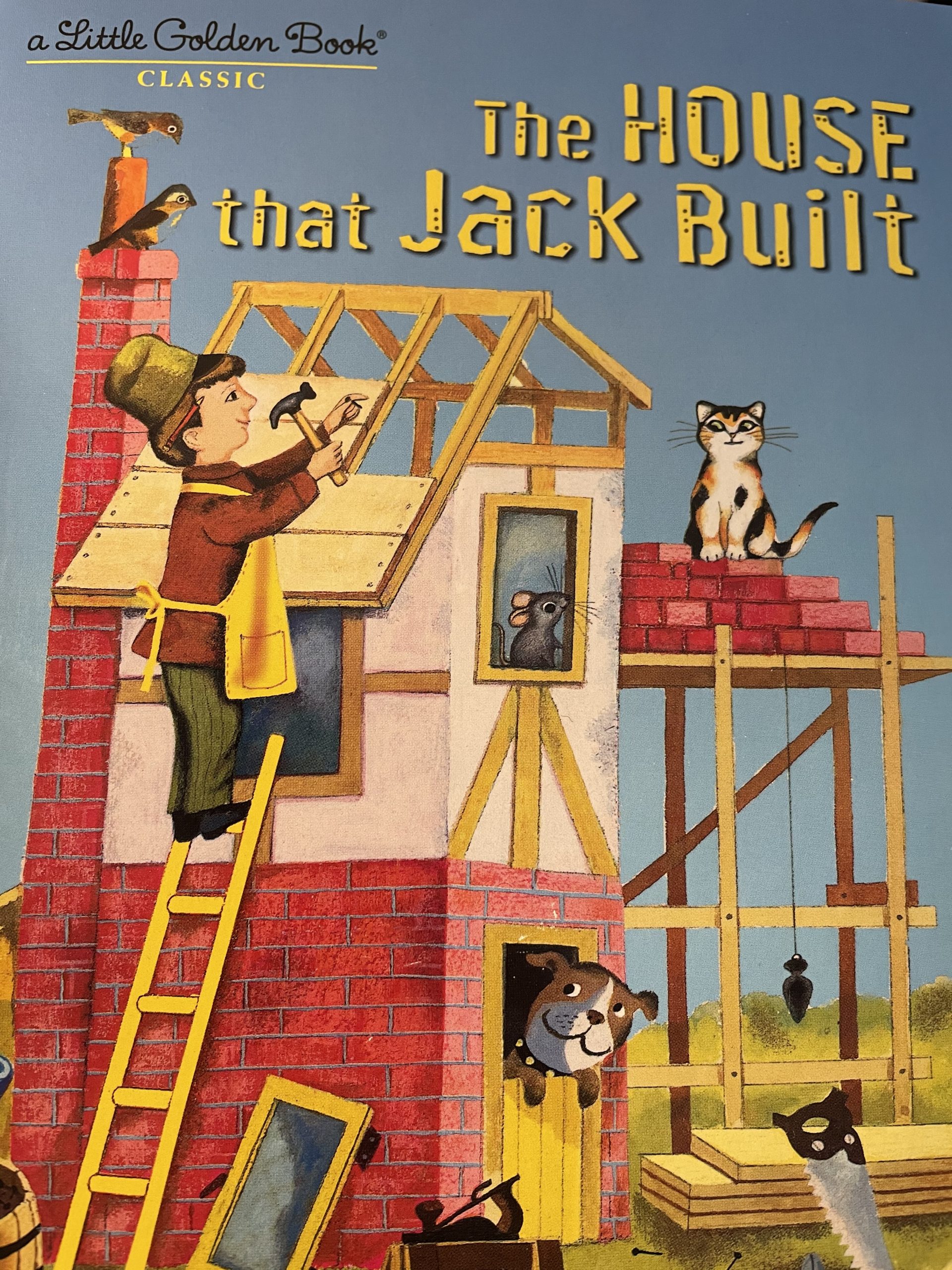
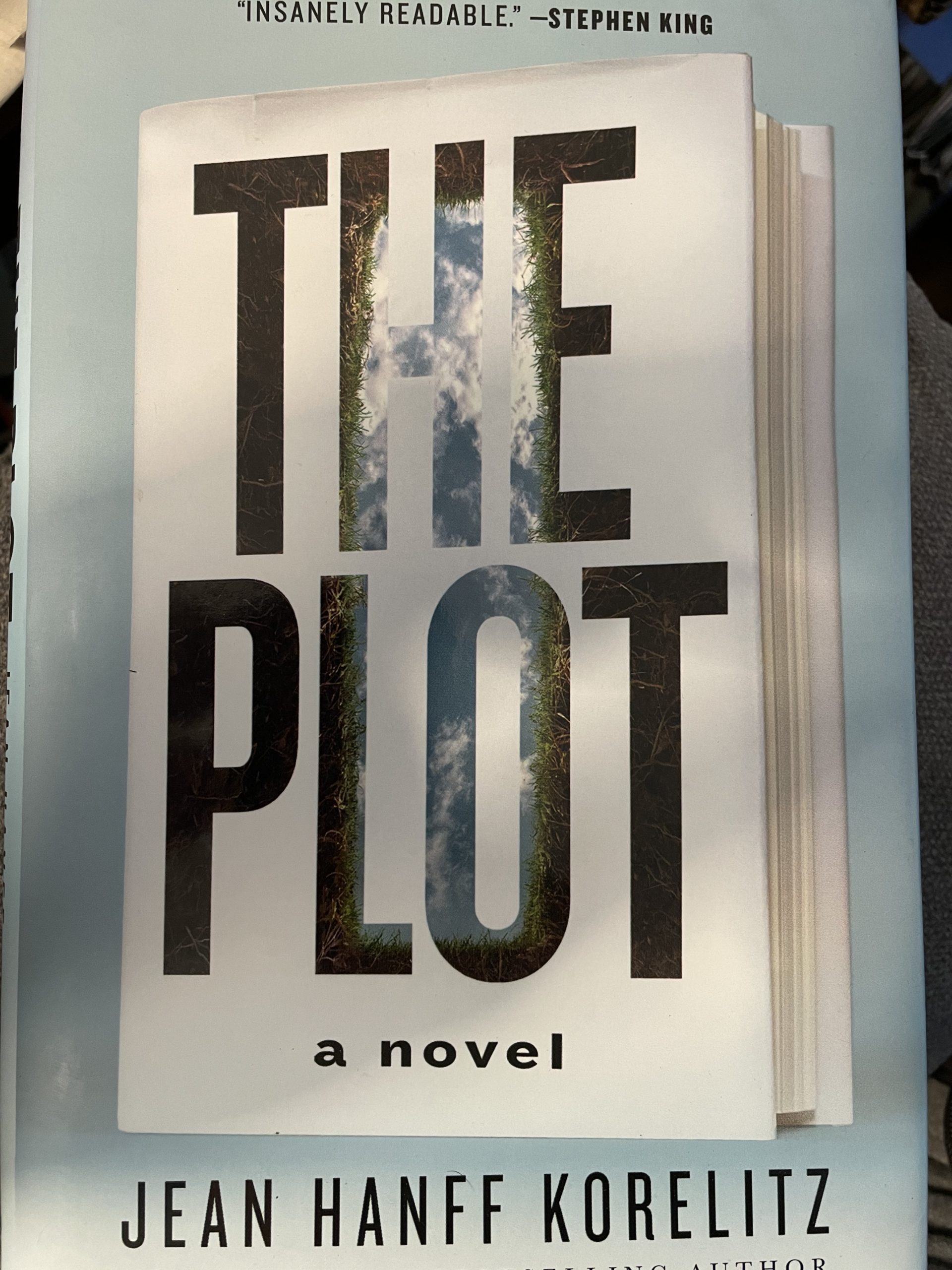
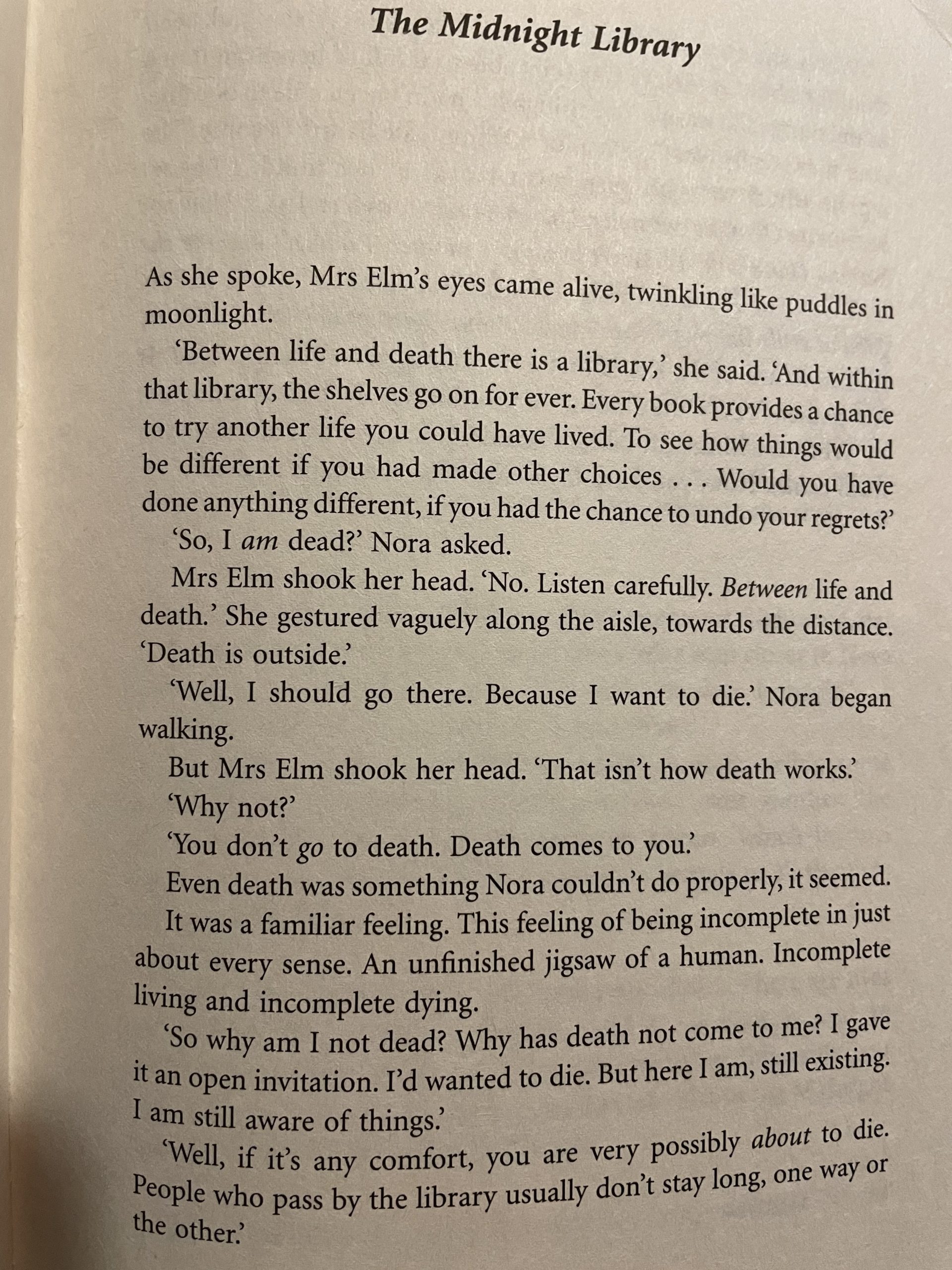
which brings me to the opening pages of:

Hmmmmmmmmmmmmmmmmmmmmmmmmmmmmmmmmmmmmmmmm:
One of the reasons I’ve always loved reading
is because it
has inspired
WRITING
SPEAKING
FREE-THINKING
that I have no
ON/OFF
Switch
(and one I’m not seeking or ever hoping to find). . .
It’s made my
EYES, HEAR
NOSE, TASTE
EARS, SEE
IMAGINATION, FANTASIZE
IT HAS MADE ME
M E
and my idea of a perfect death
is having
FAMILY
FRIENDS
BOOKS
surrounding me. . .
It allows me
WONDER
as I
WANDER
and to
P O N D E R
even now
AM I MORE
IF/BUT
or
CAN/WILL
KIND OF A PERSON. . .
Y O U ?

So here’s the
D E A L
We have a Pen in our hands
with Blank pages before us
waiting not just for a written word
or a secret message
but that one single sentence
that can only come from
Y O U
THE WORLD
desperately needs to not have written
but
specifically
intentionally
purposely
intimately
R E A D
(NO PANDEMIC NECESSARY)
We all have T H A T idea, don’t we?
We all know what LOVE IS
We all know what LOVE ISN’T
We all know what LOVE HAS
We all know what LOVE HASN’T
We all know what LOVE DOES
We all know what LOVE DOESN’T. . .
For US. . .no. . .
FOR ME!
I had a hypothesis WE would have a different view of this short little film clip on
DIVERSITY and INCLUSION.
I wasn’t disappointed. . .
but I was really hoping I was.
I showed it to several different groups over the past few weeks: Discussion groups, hospice groups, church groups, older generational groups, a group of teenagers, a bereavement group, a host of individuals, and several close friends and family members.
The Verdict?
NOT Unanimous.
The
S T I C K I N G
point?
It wasn’t LOVE HAS NO RACE. . .
It wasn’t LOVE HAS NO DISABILITIES. . .
It wasn’t LOVE HAS NO AGE. . .
It wasn’t LOVE HAS NO RELIGION. . .
It wasn’t LOVE HAS NO LABELS. . .
Love, apparently DOES KNOW Gender.
QUESTION: is love the greatest force in and out of this world?
ANSWER:
Psssssst: it’s just a
YES
NO
answer.
Not an:
UNLESS
EXCEPT
BUT
AND
IF
OR
ANSWER. . . .
Love AGREES to DISAGREE so this isn’t a Blistering Commentary for those who don’t go along with my
feelings
thoughts
perspectives
beliefs
theory
hypothesis. . . .
It’s an invitation to share
It’s an invitation to imagine
It’s an invitation to reach out and be reached out to
It’s an invitation to LOVE
ESPECIALLY if it’s NOT in Agreement
with definition or without
to make the
GRAY
a little more of a blinding
White
that makes us all squint in amazement
always to see a little better…maybe never in the same way
BUT ALWAYS IN THE RIGHT DIRECTION.
Join me, Love.