Sometimes FUNNY is less HA HA HA
and a lot more of AHHHH-HAAAAAA. . .
Who Cares - What Matters
Sometimes FUNNY is less HA HA HA
and a lot more of AHHHH-HAAAAAA. . .
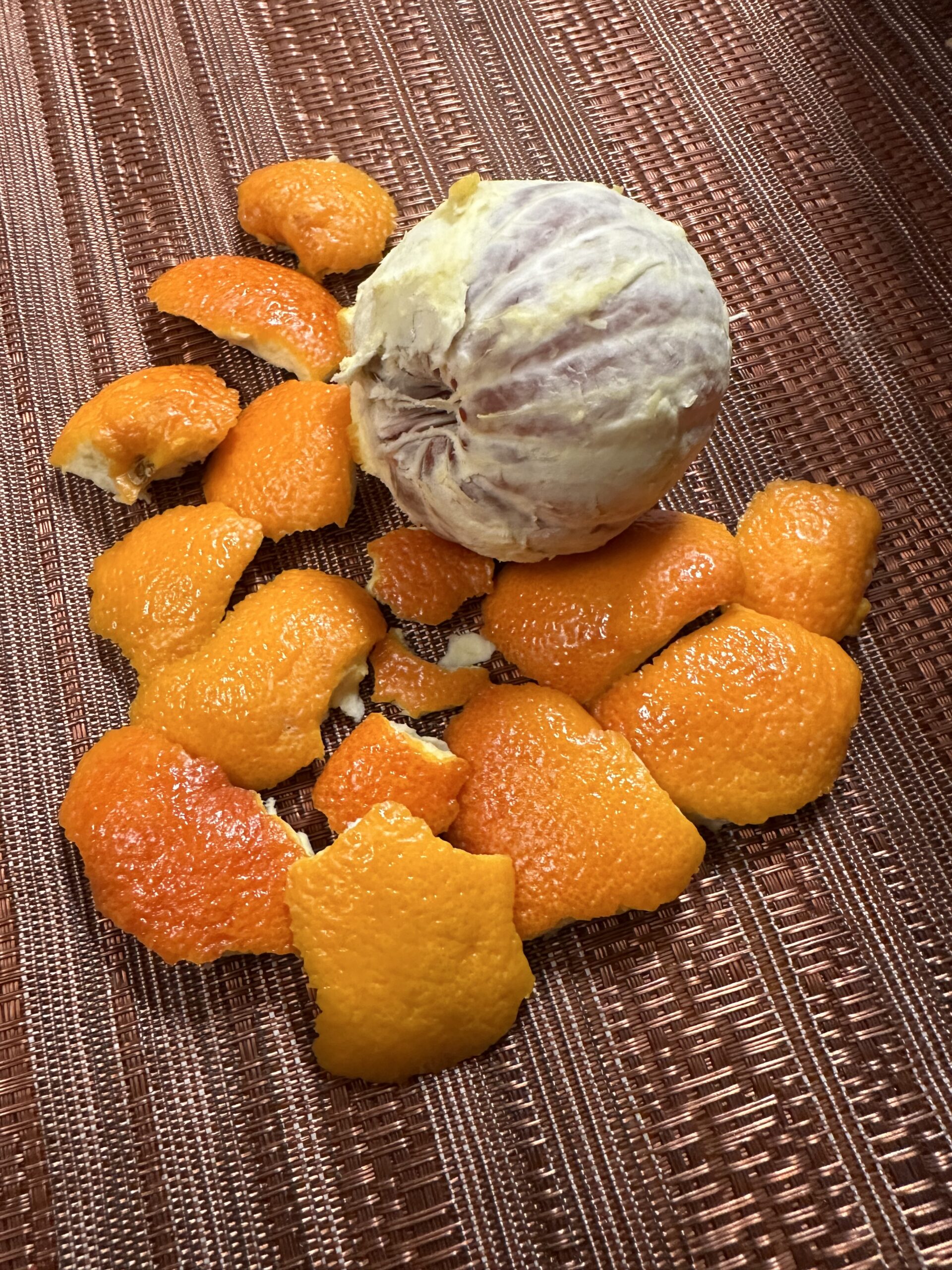
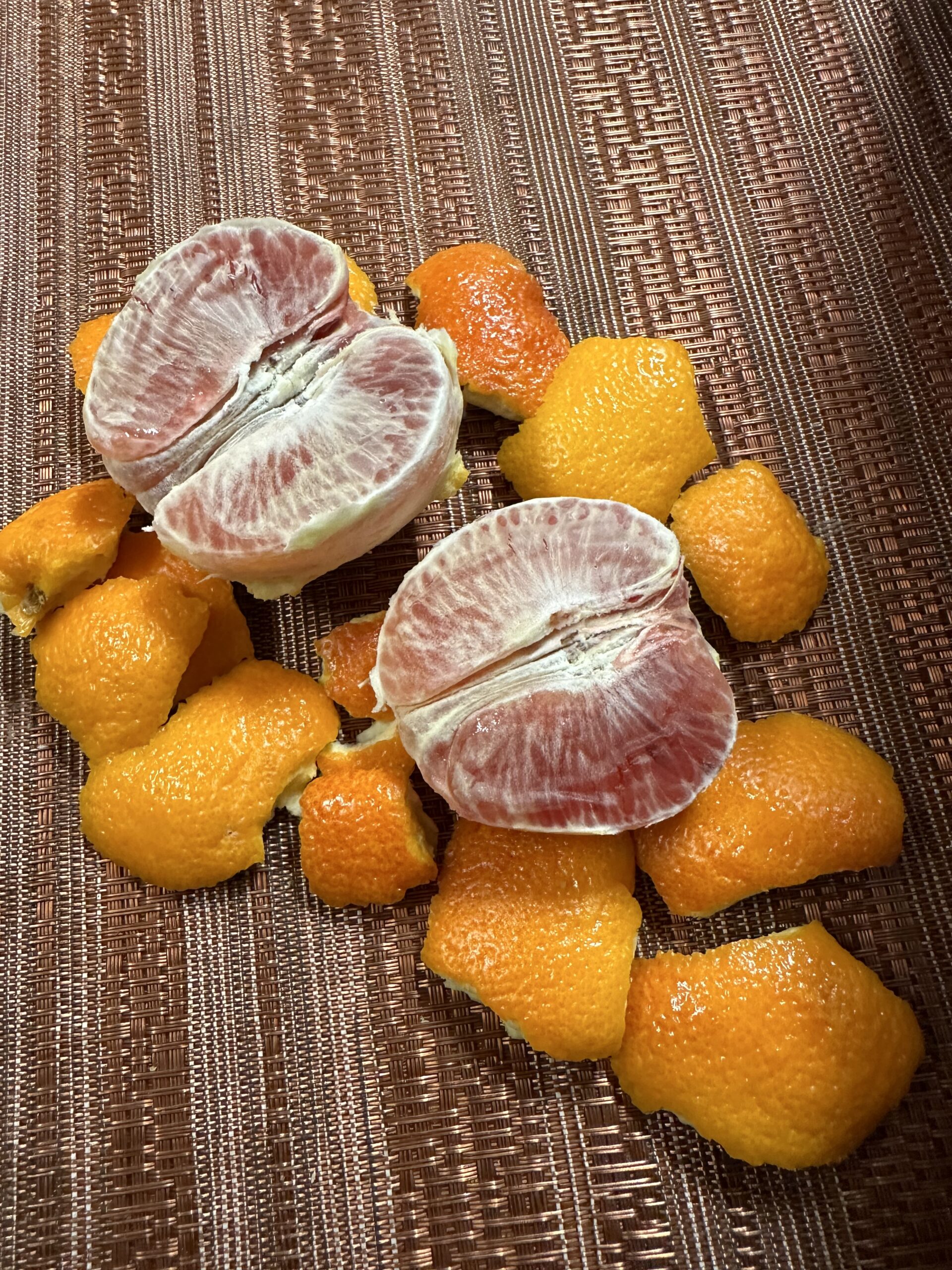
Ok, I’m a little confused here, and now, maybe you are, too.
Does anybody know what the ORANGE PEEL THEORY is? I mean, I really thought an orange peel, was uhhhhh, you know, AN ORAGNE PEEL? You?
BEEEEEEEEEEEEEEP! Thank you for playing, tell them what their consolation gift is, Johnny. . .
 JANINA STEINMETZ VIA GETTY IMAGES
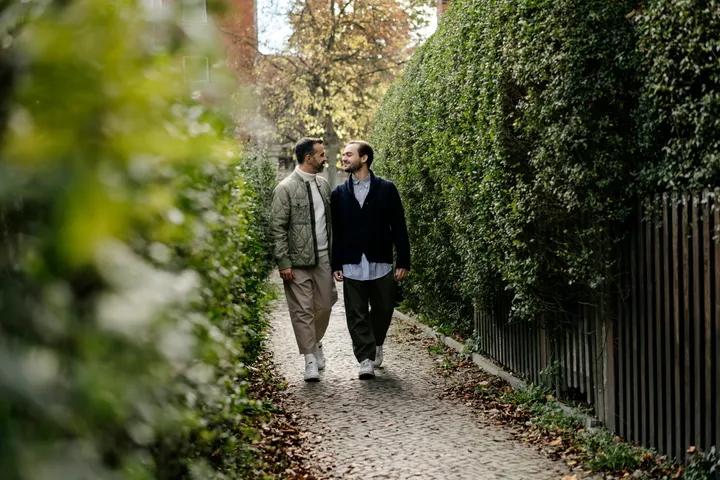
A new thesis regarding relationships has gained popularity all over TikTok in recent weeks.
Dubbed the “orange peel theory,” the idea involves the ability to understand your partner and their feelings; it’s based on their tendency to perform simple tasks for you whether asked to do them or not ― like peeling an orange.
Videos have surfaced all over the social media platform with folks urging their partners to peel oranges for them or, more generally, requesting help with something you’re easily able to do yourself.
“The orange peel theory focuses on the idea that small acts of service are not just about the action itself but about what it represents in the relationship,” said Kate Truitt, a board-certified psychologist and applied neuroscientist. “They signal care, love and commitment, and the repetition of the act enhances the overall health and happiness of the relationship. These gestures, often simple and seemingly mundane, are in fact pivotal in nurturing a loving, supportive and enduring partnership.”
Georgina Sturmer, a registered counselor at the British Association for Counselling and Psychotherapy, said that the trend is really a commentary on “the nuts and bolts of a relationship.”
In fact, many on TikTok have come to celebrate ― or negatively comment on ― romantic relationships based on observations made with the orange peel theory in mind.
Does your significant other peel an orange for you without you having to ask because he or she knows how much the smell of the skin bothers you, for example? Or does he or she complain about your “constant asking” when you do request a favor?
“The idea is that we are all subconsciously seeking signals from our partner to reassure us of their affection,” Sturmer said. “Signals that show us that they have an intimate knowledge of our likes and dislikes, and that they are prepared to go out of their way to make us happy.”
According to Truitt, “regular, positive interactions are fundamental in creating a sense of security, trust and emotional bonding.”
That is all to say: Consistent acts of affection will not only prove that your partner cares for you, but they will also allow you to feel comfortable enough to explore the relationship further and, perhaps, deepen your connection. By demonstrating his or her appreciation for you through seemingly meaningless efforts, your partner will subconsciously give you the green light to feel even more secure in your relationship.
Truitt explained that kind gestures help build a positive emotional atmosphere that then “triggers the release of vital neurotransmitters like oxytocin, dopamine and serotonin.” These chemicals have been shown to reinforce positive feelings and, therefore, emotional connections.
In addition to providing an immediate sense of satisfaction and joy, these acts of kindness work to bolster the “foundations” of a relationship and one’s own sense of self, according to Truitt.
“This might sound obvious, but many of us carry around an inner critic that tells us that we are undeserving of kindness,” she said. “So when our partner offers a kind word, gesture or action, this strengthens the relationship between us, and it also boosts our own confidence and self-esteem.”
Some may contend that sporadic grand gestures may prove one’s love in their own way, perhaps even more than constant, small-scale actions — but the therapists don’t necessarily agree with that.
“Popular culture celebrates the grand gesture, like a proposal at the top of the Empire State Building, a dramatic race through an airport departure lounge,” Sturmer said. “These can be wonderful statements, but, in our everyday existence, the consistent caring interactions tell us that someone cares.”
Although the orange peel theory is clearly based on a specific action, the concept refers to a larger category of behaviors: everyday acts of tenderness that may not catch your attention immediately but, when put together, offer a pretty clear picture of your relationship status.
Examples of these quotidian efforts, according to Sturmer, include “cleaning dirty boots after a walk outside, collecting your partner at the bus station when it’s raining, refilling the gas in the family car when it’s running low.”
The key, according to the expert, is that the simple gesture goes unannounced and perhaps isn’t directly requested.
“It’s not accompanied with fanfare or an explicit requirement to show your appreciation,” she said.
Other examples may include ordering your partner’s favorite menu item from a restaurant before they can even ask, doing the dishes or bringing the mail in.
Truitt takes it a step further than the actionable aspect of the conversation, mentioning how certain behavioral dispositions fall under the scope of the theory, like active listening, expressions of appreciations, small feats of affection (“holding hands, hugs or a thoughtful note”), support during stress, quality time, consistent check-ins and celebrating successes.
It’s important to note that everyone has a different way of showing their appreciation and affection. However, if there is one thing that the orange peel theory has proved, it’s that small, consistent acts of kindness certainly help deliver the message that you care about someone. So how can you make sure that your partner knows this?
According to Truitt, there are a few ways. To start, lead by example.
“Often the best way to encourage behavior is to model it yourself,” she said. “Engage in small acts of kindness towards your partner regularly, which could range from a thoughtful note to a warm embrace, demonstrating the kind of affection and care you value.”
Communication is a big part of the subject as well, but, according to Truitt, it’s important to understand that the goal of any conversation is to enhance the relationship, not to “criticize your partner.”
You should therefore choose the right time and setting to bring the conversation up, focus on the positive aspects of your connection while also being specific about your desires. You might have to “clearly express what small gestures” you’re talking about, Truitt explained. Being direct is always the best course of action.
Don’t forget to also ask your partner’s take on it, Sturmer said. In addition to role-modeling the behavior, she suggested talking about what’s stopping your partner from fulfilling your needs.
“Maybe they’re assuming that you might find him or her doing things for you patronizing,” she said. “They’re worried about annoying you.” The solution? Direct communication.
One more tip: To ease into the conversation, Sturmer said, you might actually want to show your partner the various viral videos. “It gives you a chance to chat about it without making it feel personal.”
SERIOUSLY. . .
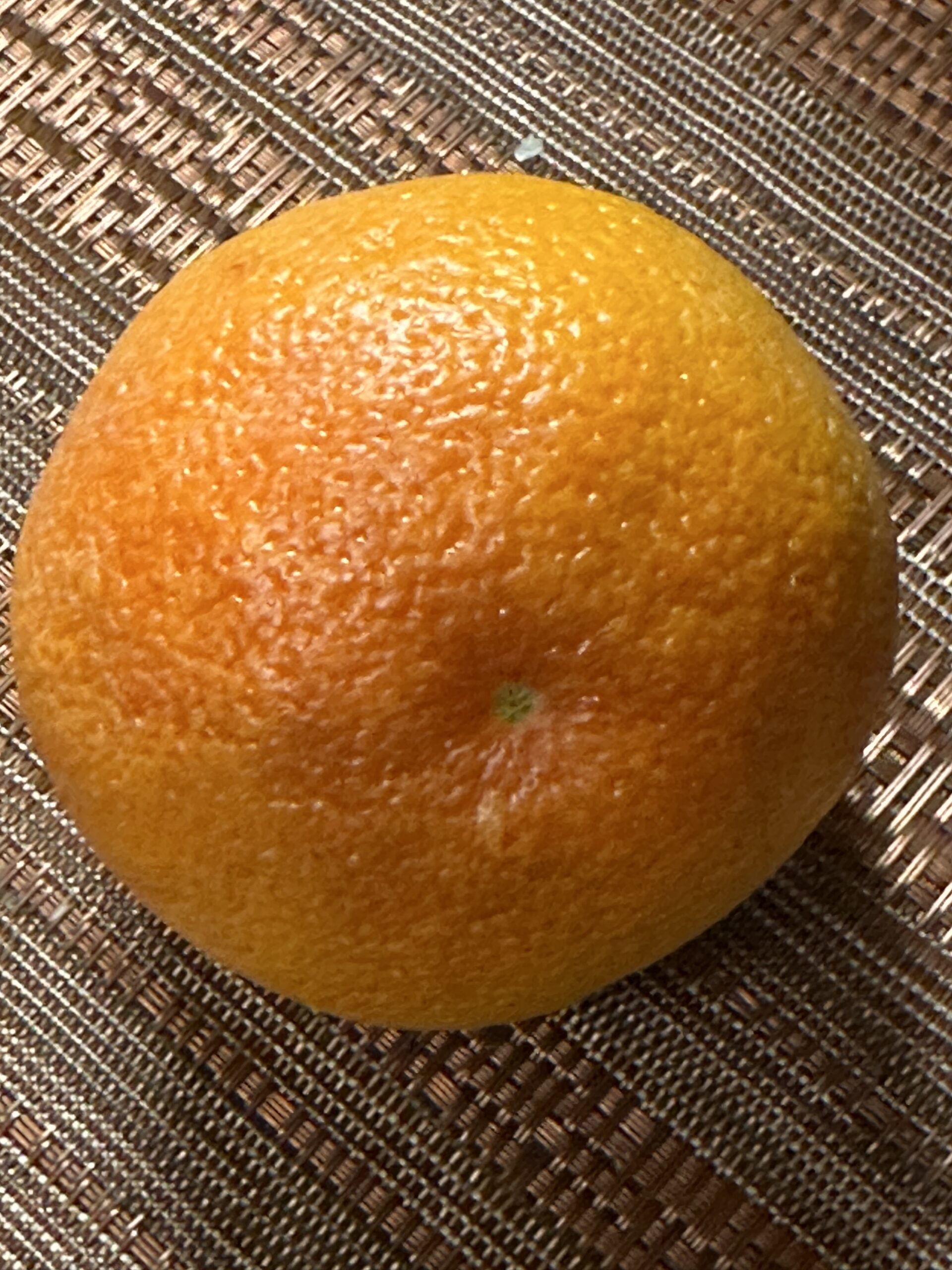
ORANGE YOU GLAD YOU KNOW THIS, NOW?
(so sorry; I couldn’t resist)
W A I T. . .
W H A T. . .
C H R I S T M A S
I S
O V E R
(UNLESS IT ISN’T)
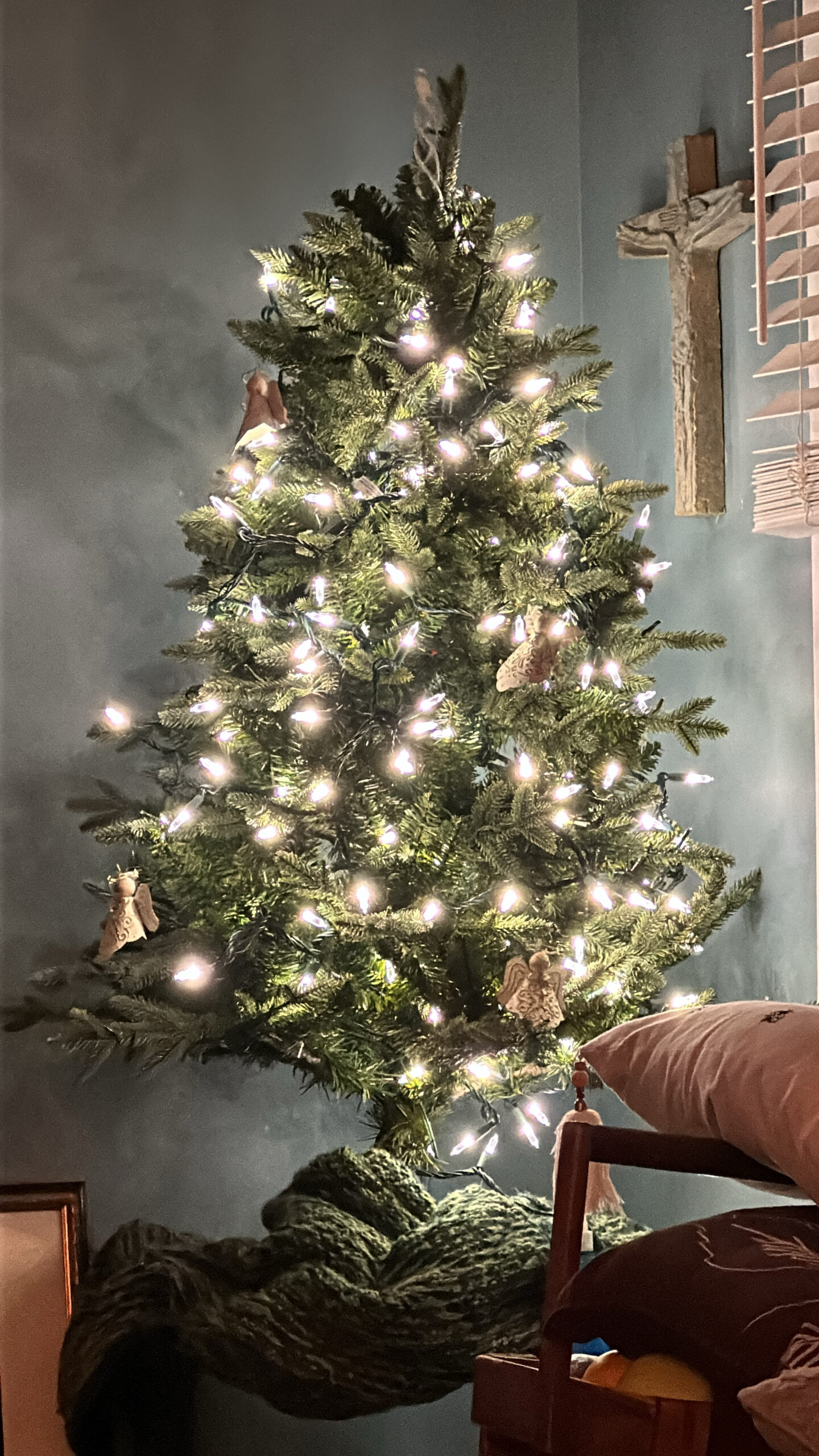
 THE DECORATIONS
and all of the festivities are down
and safely packed away
and now the memories
safely secured and kept
some 18 days
P A S T
christmas but. . .
I’m a firm believer that
Christmas isn’t a day
or a season
or a 12 Day song
so much as a
L I F E S T Y L E
and that the greatest
Christmas Moments
don’t come all at once
or on a given
day, season, song, event, occurrence
BUT ALL OF THE TIME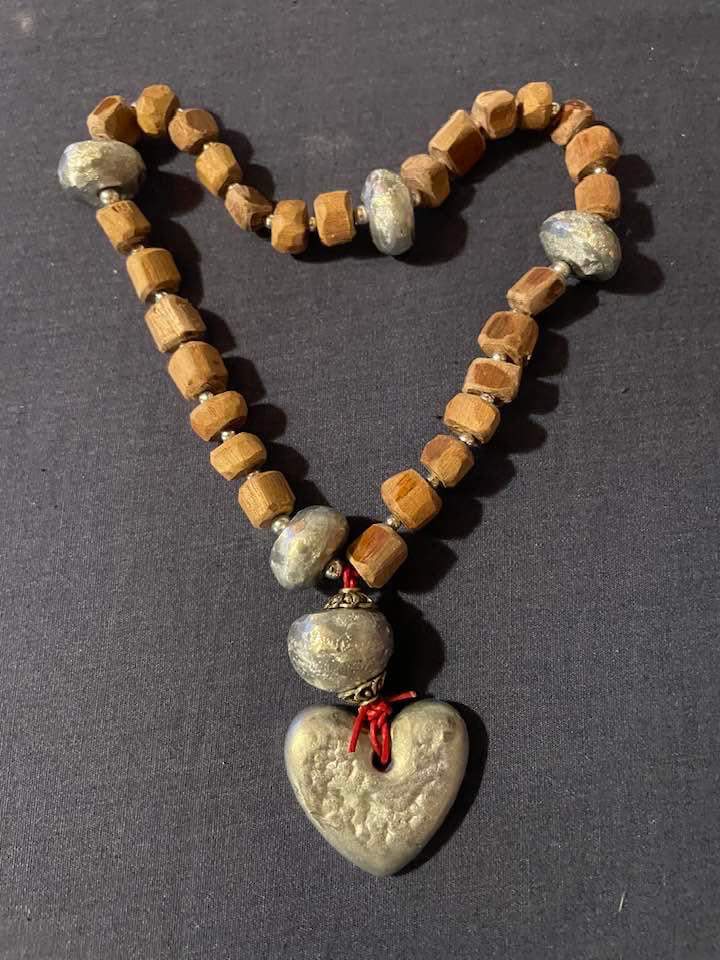
When I first saw this, I didn’t read the following caption/words; I let it shout everything I was seeing that my ears could no way hear but my heart heard perfectly…
The image above is an Anglican Rosary. It was made by the loving hands and intention of Reverend Rosalind Hughes at
Church of the Epiphany
Episcopal Church of Euclid, Ohio
This Rosary is made from a melted down gun that was safely surrendered through the Church’s Guns to Gardens program.
The wood is from the handle of the gun and the beads are from the metal.
I’m going to pray on this powerful Rosary of transformation, in order to release all my own personal triggers. I’m going to pray on it in order to ask for forgiveness for my own thoughts that are of judgment and attack.
I’m going to pray on it for the children of Cleveland and Gaza and Israel and Ukraine.
I’m going to pray on it for all of us. That we may learn to drop our swords, heal our triggers and find our truest safety by loving and caring for one another.
May you be blessed by loving kindness and mercy during this season of light. And may we all find our way towards uncovering the internal and ever lasting light that shines within us.
Blessed Be We. Love and Blessings to all.
When I read my colleague, my friend’s Mary’s post, I immediately reached out to her and asked her about this beautiful Rosary; I wanted one, and instead of telling me first where she got it, she actually brought me one she also had that had not been gifted to her but now she wanted to Gift to me. . .
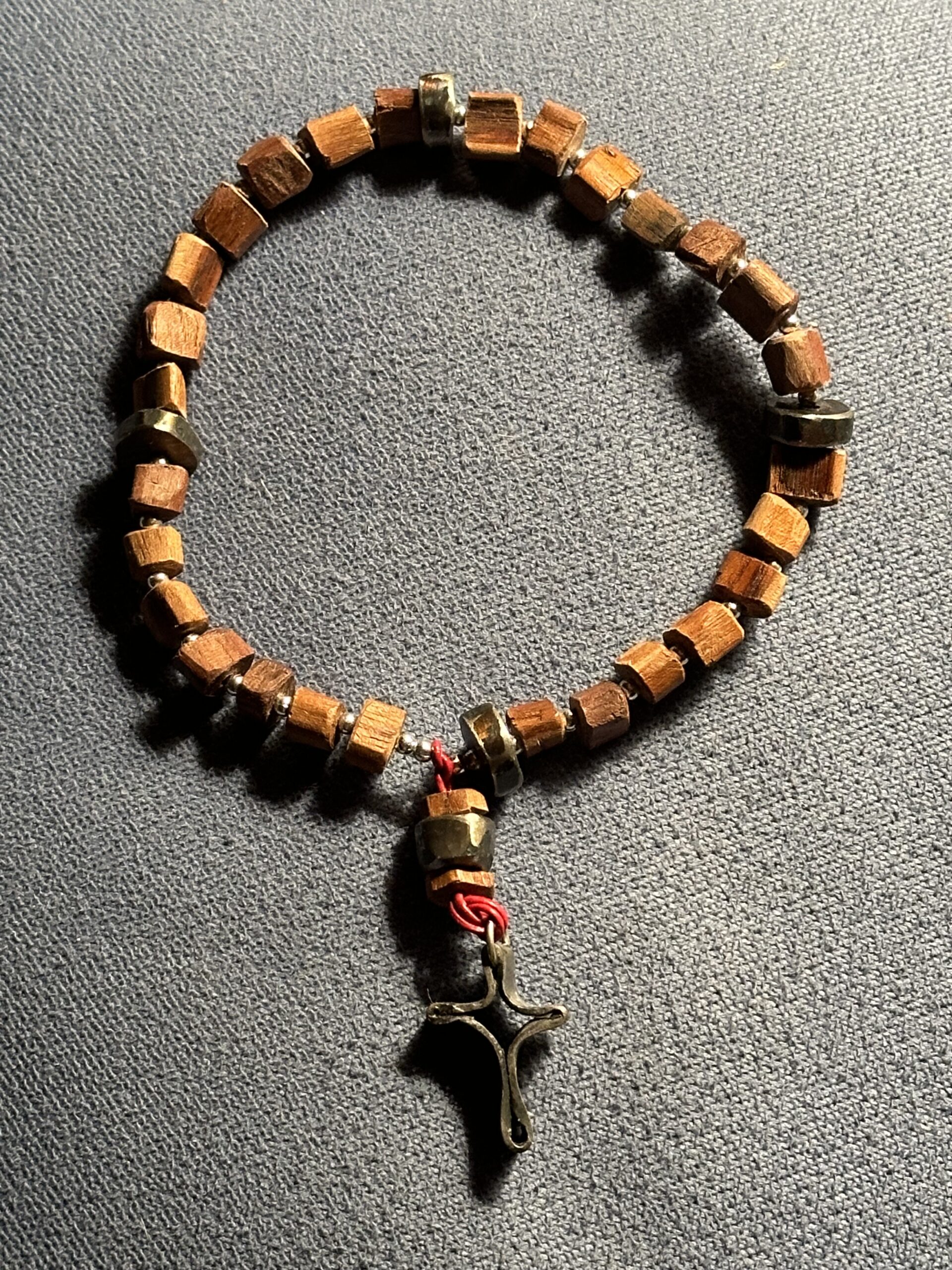
Ohhh, but wait, CHRISTMAS IS JUST A DAY, A SEASON, A sentiment in a set of songs or carols, uhhh, not THAT DAY, NOT THAT MOMENT; THE GIFT, as it often is was THE GIVER and my, my my, did a get GIFTS from GIVERS who turn out so powerfully to be my most precious GIFTS of all. . .
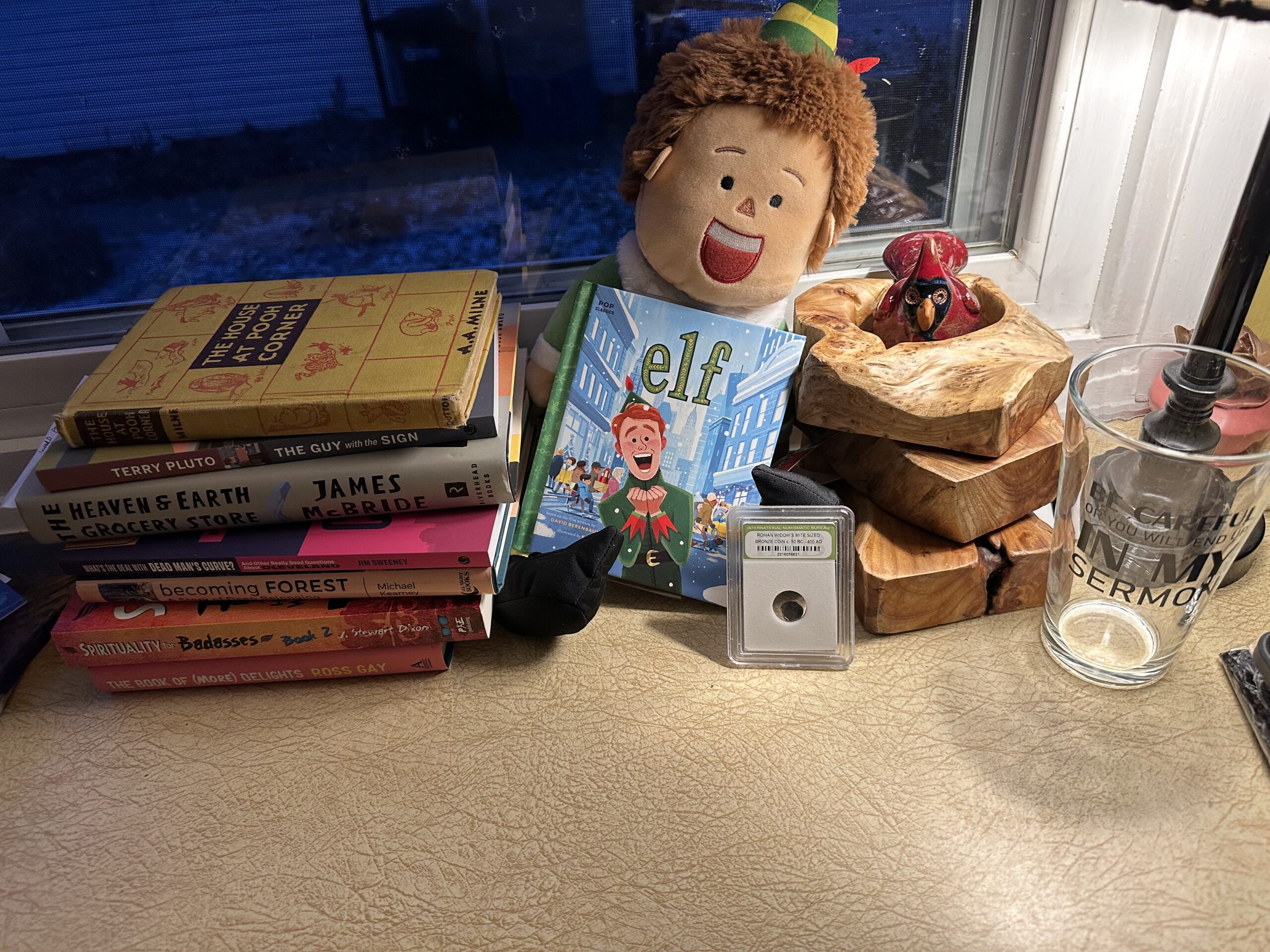 I would like to think that I am not a humble Receiver but a most grateful Beneficiary of some of the most generous-blessed-wrapped-in-flesh-bestowers beyond imagination.
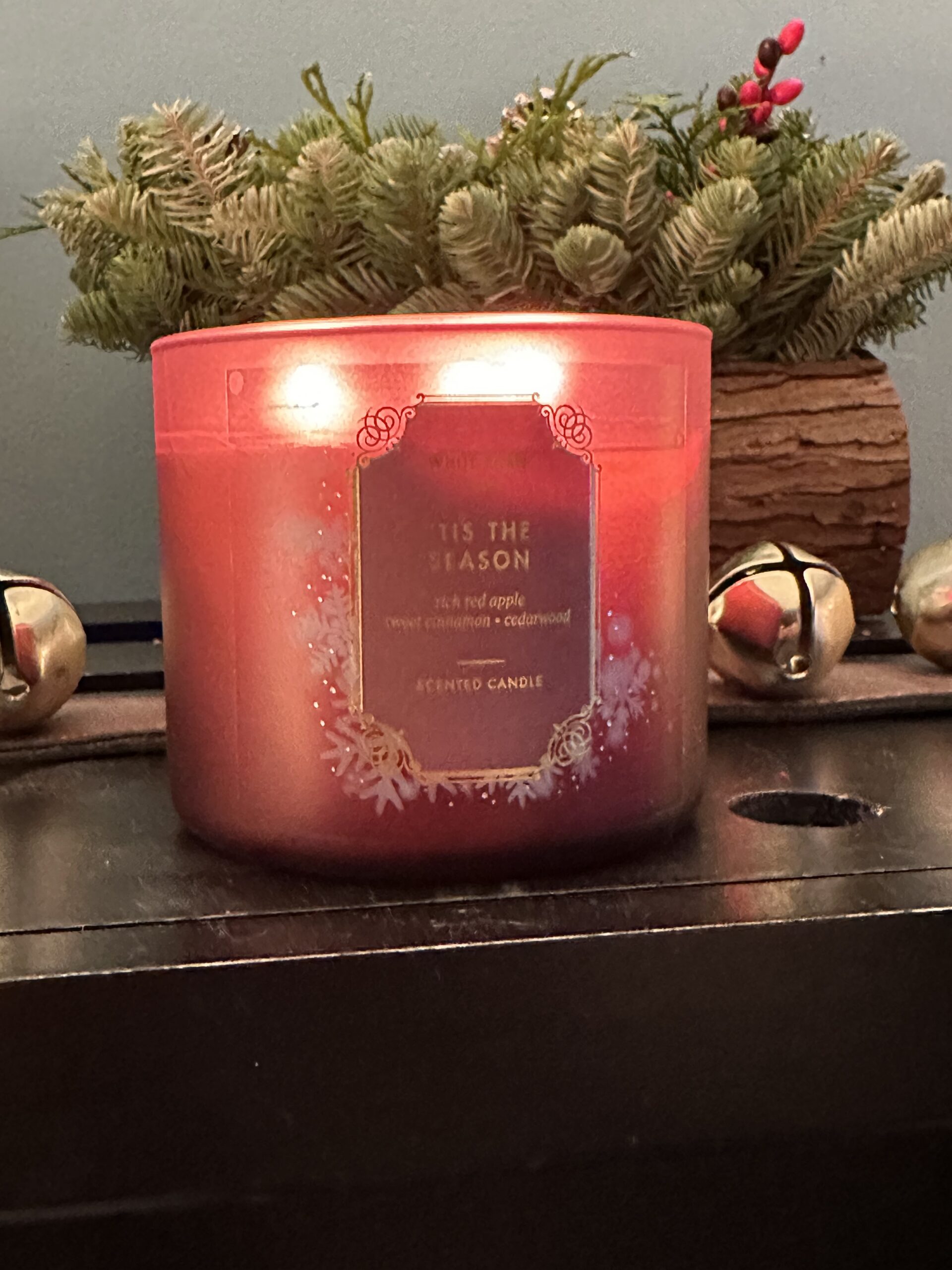
So when the 25th of every month comes around for the next 11 months and I shout out to you:
HAPPY PRACTICE CHRISMTAS
I hope it’ll have your Yule log glowing bright
and your Christmas Heart beating strong
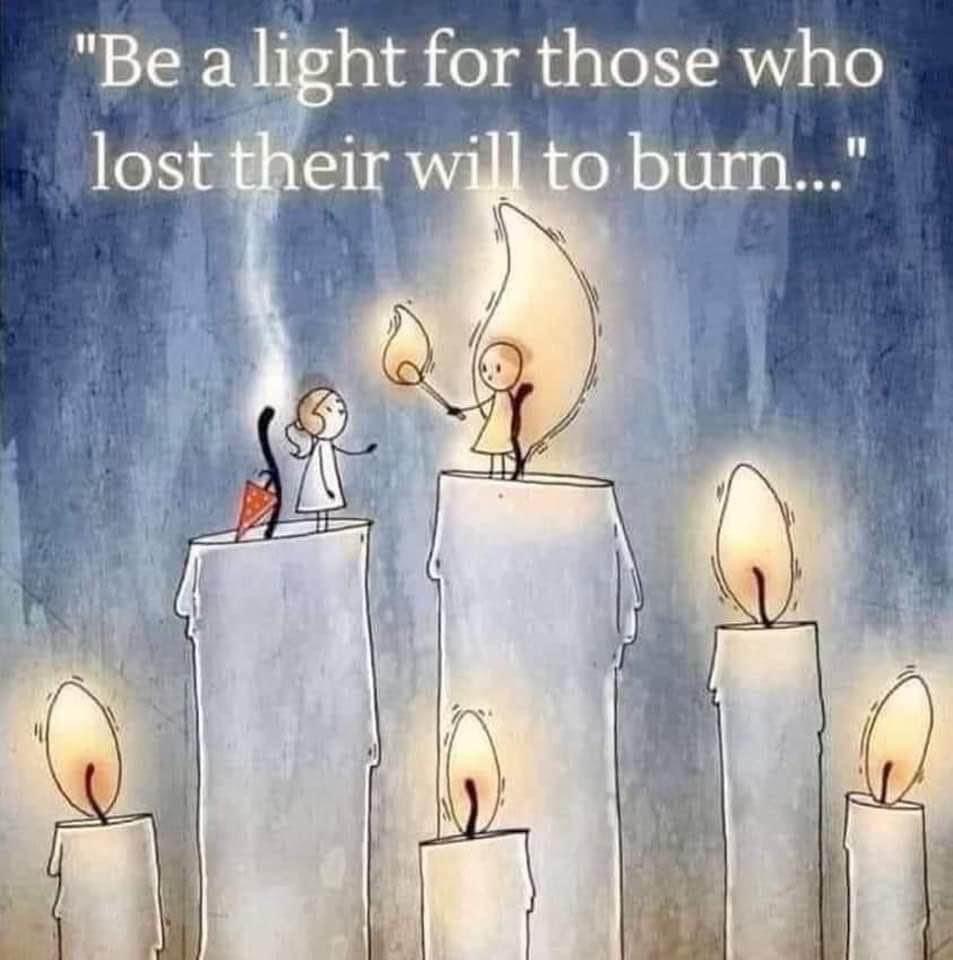 And how about one last
GIFT
from this grateful Given

Are you feeling it already, some 10 days into a new year? January has, unfortunately, become the time of year when a lot of people feel a strong urge to punish themselves. Sure, they may do it under the guise of “health,”or perhaps they will dress it up as a “lifestyle change,” but it’s often rooted in something negative: The idea that they are not enough.
As a bunch of journalists who are constantly thinking about what it means to be truly “well,” we wanted to offer you something different and more positive for 2024: A set of gentle guidelines—rooted in science, empathy, and the SELF staff’s collective body of work—that will hopefully help you feel a little better this year. The reality is, “good health”might be hard to come by right now, especially because so many of the barriers are systemic—but even if that weren’t the case, we still wouldn’t want to give you a ton of rigid rules that feel oppressive or impossible to achieve.
The vast majority of our advice for 2024 is actually about doing less: eating less bland diet food, making workouts less intense, spending less time with people who make you feel crappy, experiencing less guilt about not being “productive”—because we know that it’s simply not possible to shame your way to a life of abundance. Removing the things that aren’t serving you ultimately makes space for more: More rest, more time spent on the folks and activities that energize you, more self-confidence, more joy. That last one might seem hard to come by, especially after another hard year, during which a lot of incredibly dark things happened…. But it’s all the more reason to take very intentional steps to feel good. You might not feel your best. You might not even feel great. But you can, maybe, feel a little bit better. And for 2024 that might be enough.
They’re a lot harder to cancel once your calendar is stacked! Pick a day this month, make yourself a tasty snack or drink, and take an hour or two to schedule the appointments you know you’ll want to put off in the months ahead—your annual physical, ob-gyn visit, dental cleanings, vision exam, skin check, and any regular testing you need to get done. If you’ve been meaning to start therapy, now’s the time to explore your options. And you might as well get your next haircut on the books too. —Alisa Hrustic
Frequent headaches? Ongoing nausea? These are all problems that should be discussed with your doctor, and frequency is going to come up—because there’s a difference between a symptom that’s occurring several times a week and one that’s happening every two months. Instead of guessing, try tracking recurring issues on your phone—Apple Health has a symptoms feature, and something as simple as your notes app works too. Having this kind of data will make it easier for your doc to see patterns and diagnose a potentially serious illness or offer treatment for a common annoyance. —Westry Green
When you take medication daily (or are juggling multiple prescriptions), it’s easy for the doses to blur together—and then you’ll have to decide whether you’d rather potentially skip a pill entirely or risk accidentally doubling up. The good news is that there are tons of great options when it comes to trackers, including physical ones you can attach to the bottle, daily pill organizers, and apps (like Bearable). Pick whichever one feels right to you, commit to it, and never doubt yourself again. —Rachel Wilkerson Miller
And then email them to yourself or put them in a specific photo folder on your phone that you’ll actually remember. Bonus points if you do the same with your contacts prescription, so you can easily order new lenses without having to tear your entire home apart. —Christa Sgobba
Use them to form the basis of your personal health file, which is a true game changer, especially if you’re living with a chronic condition. —RWM
I’ve written and edited a bunch of stories on sleep, and two of the biggest takeaways from the research are that bright light in the morning (ideally from sunlight) cues your body to wake up and stay alert, and darkness triggers the release of melatonin, which makes you sleepy. If you mess with those cues by keeping your blackout shades closed tightly in the morning or stalking your ex on Instagram right before bed, you throw off your internal clock and, therefore, your sleep. In other words, the darker your nights, the brighter your mornings. —Cathryne Keller
If you’re regularly schlepping a laptop, gargantuan water bottle, and/or any number of other heavy things in a flimsy shoulder bag that puts all that weight on one side of your body, know that it doesn’t have to be this way! Your shoulders, neck, and back will thank you if you pack less, choose smaller bags and distribute the weight between both sides of your body. Or, ideally, just get a backpack. Everyday aches and pains don’t always seem super pressing, but lightening your load is an easy way to routinely take care of yourself. —Amy Rose Spiegel
This includes things like aspirin, Tylenol, tissues, honey, tea bags, cough drops, a thermometer, etc. Because once you do start feeling that congestion or fatigue, you definitely won’t have the energy to get up out of bed and grab all of these essentials. Future you will be so grateful. —Jenna Ryu
Don’t wait until nasty bug season is already underway; plan to get your annual flu shot and updated COVID-19 vaccines the first week of October. —RWM
Why leave the lollipop-after-a-shot mentality behind when you reach adulthood? Looking after your physical well-being isn’t self-indulgence. Make a habit of treating yourself to something small and delightful (your favorite pastry, a trip to the bookstore, a self-care night, etc.) every time you check a box. It might even help you look forward to your next follow-up. —Grace McCarty
I’m sorry to report that going to bed earlier—as long as you’re tired enough to fall asleep quickly—works, and it works well. You’ll feel better the next day, and you really won’t be missing much by clocking out an extra half hour or 45 minutes earlier than you normally would. I understand the impulse behind revenge bedtime procrastination, but the liberation you’ll feel from saying, “Screw it all, I’m just going to sleep”—and the benefits you’ll reap each time you do it—make it very worthwhile. —Hannah Pasternak
Lately, folks on social media have been conflating having boundaries with being controlling. In actuality, boundaries are something you enforce on yourself, not on those around you. For example, if the way your friends act when they get sloppy drunk at a bar makes you feel uncomfortable, you can decide that you’ll simply leave when that happens. You’re not saying they can’t drink (that would be controlling); you’re just deciding how you’ll react if they do. Not only will having a plan in place ease your anxiety in social situations, but it’ll also set a healthy standard of communication for your relationships. —Jessica Kasparian
When you’re having a tough mental health day, week, month, whatever, getting yourself to prepare a meal, make your bed, answer texts, or work out can feel beyond difficult. You can let go of a lot of those tasks (this is what takeout is for!) but one thing that’s pretty much always good for your body and mind is to take a shower. Just get in! Even for two minutes. You don’t need to shampoo, shave, or scrub—just stand (or sit) there for as long as you can, do as much as you can or feel like doing, and get out. Why? Because you will actually feel better—even if only a little bit. You might still be depressed, but at least you’re clean. —HP
You don’t need to be an avid hiker to reap the benefits of getting outside (although hiking is a perfectly wonderful way to do that if you’re into it). Going for strolls in your neighborhood park (without your headphones!); picking up an outdoorsy hobby like birding, foraging, or gardening; or even bringing the outside into your home with lots of houseplants are all great ways to spark awe, be more mindful, and restore your spirit. If that feels too daunting, consider making it even easier for yourself: Watch the sun rise or set, gaze at some stars, go leaf-peeping in the fall, float down a river in the summer, collect shells on the beach…. All these things count! —AH
Sure, a nice long meditation session can do wonders for your stress levels, but chances are you don’t have an extra 20 minutes (or longer!) every day to sit in silence. (Also, 20 minutes is way too much if you’re new to this!) Instead of waiting until you have an extended period of peace and quiet, start practicing what you might call half-assed mindfulness: Meditate for one to five minutes each day. Even taking just a few minutes to center yourself can make you feel less anxious. —WG
Nor does it mean that you just wasted 45 minutes. You might have simply had a particularly good week or just weren’t in the mood to talk. Every session, dull or not, builds the connection between you and your therapist and teaches them more about you (and teaches you about yourself)—and they should get to see you on your good days too! —Ayana Underwood
It’s been said many times in many ways, but it’s just true: Everything—every feeling, experience, moment—is temporary. This mindset can change your life in two ways. The obvious one is that it provides a sense of comfort when you feel incredibly anxious or otherwise awful; it doesn’t instantly take the feeling away, but remembering that you’ve felt this way (and gotten through it) before really takes the edge off. The less obvious way is that it also helps you appreciate the good things: When you’re belly laughing with someone you love, reading a book on a cozy Sunday, or having a blast on vacation, mentally noting that you’ll never live these exact moments again helps you savor them. —CK
If you’ve ever put on a pair of shorts after a long winter and questioned your entire existence, we get it. But remember: It’s not your body—it’s the clothes! It can be extremely hard to part with items you once loved, but it’s normal for your body to change, and things that don’t fit you right now don’t serve you anymore. So for the sake of your mental health, be brutally honest: If you haven’t worn something in a year, it’s too big or too small, you don’t like the color or shape, or it simply doesn’t feel like you, donate it. You’ll open up space in your wardrobe to slowly curate clothes that help you show up as your best self—and you’ll eventually always have something to wear that makes you feel good. —AH
Being fat isn’t actually a death sentence. And more importantly, everyone deserves to be treated with dignity, regardless of their weight. The sooner you really internalize this idea, the sooner we’ll all be free of the body policing and shame-driven rituals that slowly sap our joy and make us less healthy, mentally and physically. (P.S. We’ve got tons of great reading on this topic to help you get started.) —RWM
One of the best ways to combat the anxiety and existential dread that is now par for the course during US presidential elections is to get involved at the state and local level. That’s where so many important decisions that affect our everyday lives—and health!—are made, and it’s an area where individuals can have real, meaningful impact. So identify a cause or candidate you care about, find a local group that is organizing around it, and make a plan to work with them all year. You’ll feel so much better come November, I promise. —RWM
When you’re pressed for time (so always), hobbies tend to be the first activity on the chopping block. Since they usually aren’t tied to your job, social life, or day-to-day survival, they can feel frivolous. But if you really love a hobby—and especially if it impacts your mental health positively—you should consider it a priority. That might mean saying no to the things you’re not terribly excited about, but it’s worth it if it ensures you have time for crocheting, baking, or another little hobby that feels essential to your joy. Think of it as happy homework. —GM
Spend a few weeks letting go of all of the perceived advantages of exercise so you can go deep into the discovery process: What kind of physical activity gets you excited, motivated, and joyful? Don’t know? Sign up for a trove of things with pals or on your own—boot camp, adult kickball, spin class, sword-fighting, juggling. (I actually did those last two!) Everything counts, and you’ll likely pick something up. Classes/meet-up groups are a great way to find new friends too! —Julia Sullivan
On a lockdown-era episode of the SELF podcast Checking In, pole dancing fitness instructor and trainer Roz “The Diva” Mays said that a workout should be like an ice cream sundae: “When’s the last time you said somebody had to force themselves onto an ice cream sundae? No. People usually like ice cream sundaes because they’re tasty and fun.” It’s a lot easier to find the motivation to move when you’re doing something you genuinely enjoy. —Sarah Yalowitz
Environment means a lot for your fitness routine—if you don’t feel comfortable, you’re not going to want to do it. So consider what you’re looking for in a fitness space: If you want to work out in a gym, do you feel more motivated by a social, class-based culture, or does a row of empty racks make you feel at home? Take advantage of free trials at gyms so you can try a bunch out and see what vibe works for you. And it’s totally fine if your space isn’t a public one. Claiming a corner in your living room or going for a run in your neighborhood can be just what you’re looking for. —CS
If you’ve never gone to the gym or a workout class before, it’s probably unrealistic to start going four times a week. Instead, make a goal to exercise once or twice a week; once you get in the habit of going you can add more if you want to. And don’t beat yourself up if you need to do less during hectic or difficult times in your life! Just reset your goal to meet yourself where you currently are. —JK
If you come from the “I have to do a minimum of 30 minutes of cardio—ideally running or something similar—five times a week” school of thought, it’s time to familiarize yourself with what experts actually recommend. According to the CDC, most adults need 150 minutes of “moderate intensity” physical activity per week, along with two days of strength training. But “moderate intensity” can be defined as a “brisk walk”—which is something a lot of folks incorrectly brush off as not a true workout. And it gets even better: Per the CDC, if you are into “vigorous intensity” exercise (for example, jogging or attending a group cycling class), you only need to do that for 1 hour and 15 minutes total per week. Put another way: You truly do not need to jump on your Peloton and try to set a personal record every single day to be healthy. —RWM
Again, old-school ideas about what “counts” as exercise, coupled with the tacit idea that the main goal of exercise is weight control, have led a lot of people—particularly women—to prioritize cardio and avoid strength training entirely. But lifting weights is really, really good for you; it can increase your bone density, lower your blood pressure, make it easier to do the things you love, and help you avoid injuries. If health is truly your goal, make it part of your regular rotation. —RWM
Make sure to take ample rest between your sets, so you can challenge your muscles to move weight that feels challenging to you. That means one minute at the very least—and up to two, three, or even five—between sets if you’re really looking to maximize your strength gains. It might feel like you’re “wasting” time, but believe me, this is just as vital a part of the process as the actual lifting. —CS
It’s easy to be rigid about your schedule in the name of “health.” A much kinder strategy? Asking yourself before every workout: Do I really want to do this or would I rather do something else? You might still end up going with the original plan because it sounds fine and you don’t want to overthink it, but occasionally it’ll be very clear that your body wants to pivot (or cancel). And whenever you listen to your body, you’ll feel better—physically, yes, but also mentally, because it’ll remind you that you’re in charge of the experience. Exercise is a choice, not a mandatory punishment. —CK
Need a little breathing room on a weeklong visit to your sister’s house? You’ll be right back—you’re going to go for a run! Ah, sorry, you actually can’t make that after-work drinks with Ben from finance—you’ve got Pilates this evening and can’t cancel. You’d love to stay and chat, but you have to go get some weight training in before the gym gets crowded! This is my relationship to exercise, and I am pleased to report it’s made moving around feel less like a chore and more like a secret escape hatch that I very much enjoy hopping into, especially because I’m so rabidly social. You don’t have to actually look forward to it every time, but it’s likely going to be much more rewarding than doing something you sincerely and truly did not want to do. —ARS
As you get older, staying flexible reduces your risk of injuries, makes everyday tasks easier, minimizes aches and pains, and generally relaxes your body and mind. Right after you get out of bed (or even while you’re in bed), take a few minutes to stretch your neck, back, or legs. Set a reminder to regularly unhunch your shoulders throughout the day. Take a brisk walk and stretch your hips out during lunch. Embrace the forward fold after a long day. Release some tension before bed. These little bursts of movement take minimal effort and will help you feel so much better. —AH
If you’re noticing that a friend is pulling away from you or you’re coming away from group hangouts with a sour taste in your mouth, just…talk to your friend about it. You never know what might be going on—maybe the friend who has been absent lately is dealing with relationship issues and could use some support, or your besties are tip-toeing around you because of something unkind that your partner said at a recent group hangout. If you go into the conversation with the courage to be honest and a genuine willingness to hear their perspective, you might be surprised by how possible it is to reset and ultimately feel closer. —JK
It’s perfectly fine to tell your friend, host, or whoever in advance that you can only hang for a bit. That way, you’re making the effort to show up for your loved ones without sabotaging your mental health or forcing yourself to do something you don’t want to. And you may end up having more fun than you expected and decide to stick around even longer. —JR
You’re not alone if you regularly think, I wonder how [insert favorite person] is doing, maybe I should text them, and then you…don’t. Perhaps you get distracted, or you feel like you need to wait until you have the “right” thing to say, or you tell yourself that you’ll do it later (but later never comes). This year, commit to getting out of your own head and sending the text—or the voice memo, or the invitation to hang out—right away. No matter what happens next, you’ll feel better that you sent it, they’ll appreciate receiving it, and this simple action will make you both feel more connected in our very lonely world. —CK
Dinner or drinks is always a pleasant way to spend time with friends, but loud, crowded bars and restaurants aren’t the easiest places to catch up. Instead, consider an anything-goes twist on a hot-girl walk. It doesn’t have to be fast and it doesn’t have to be far. Walking side-by-side (versus sitting face-to-face) can make it easier to be vulnerable, which ultimately lends itself to the deep, meaningful conversations that make friendships stronger. —WG
Whether you’ve moved away or just have a packed schedule, visiting your friends in adulthood often becomes an “event”—you come together for celebrations and other big-moment stuff. That’s all great, but there’s something to be said about just being together. If you can, pick a time to meet up when there’s nothing big on the agenda. Cook, take a walk together, watch TV together, or just lounge around. There’s a comfort in doing this that’ll take you back to hanging with your friends after school, and letting them come by when you have dishes in the sink or you’re wearing sweats (and not the cute ones) helps build true closeness. —CS
Death and taxes are the only things in life that are supposedly certain, but getting irritated with your fellow human beings is likely third. If you regularly deal with the kind of traffic that makes you feel enraged, try to visualize other drivers as people you know who could use a bit of latitude—maybe an older relative or a slightly clueless nephew. The same holds true for customer service reps when calls aren’t going your way. It might not work every time, but it can help tamp down on overblown reactions you will later regret. —Theresa Tamkins
Don’t go looking at your ex’s insta, ruminate for hours on the coworker you can’t stand, or otherwise seek out information that you know is going to piss you off. You’ll end up feeling self-righteous at best, but that isn’t the same as feeling good. Please, we’re begging you, do literally anything else with your time. —RWM
If you’re already single, nice work, and if you’re with someone you love or otherwise feel great about, same deal. But if you’ve been hemming and hawing for quite some time about whether your relationship is really right: Rip it up and start again. Summon the self-respect (and respect for the other person!) to pursue a life that suits you better, and that you like more than just halfway. You’ll feel so capable and relieved. Get gone. Be free. —ARS
Figuring out what to eat…for every meal…every day…for the rest of your life? It’s a daunting task, but you don’t need to reinvent the wheel. You’ll need to experiment a little to find breakfasts, lunches, dinners, and snacks you truly love to eat over and over again—but once you do, add them to your weekly rotation and don’t look back. Think about recipes that have easy-to-switch ingredients so it doesn’t get too boring: soups, curries, stir-fries, sandwiches, flatbreads, you get the idea! You’ll streamline your grocery list so you always know what kind of basics to have on hand and significantly decrease your mental load when Wednesday night rolls around and you, once again, just want to eat something you like, clean up, and go to bed. —AH
If you’ve ever been in the throes of disordered eating or tried desperately to stick to a diet (so everyone?), you’ve probably spent way too much time obsessing about what you should eat and trying to fill your stomach with a bunch of “healthy” foods, which only left you physically full but still craving whatever you really wanted. There’s a better, healthier way! Before you have a snack or meal, ask yourself: What would be the most satisfying choice right now? Not just what would taste the best, but what would feel the best overall. Sometimes it might be a burger or a cookie, other times a roasted veggie bowl or a smoothie may call your name. Regardless, the more you listen to what your body’s telling you, the better—and less stressed about food—you’ll feel. —CK
If you struggle to slow down and take real breaks, make it part of your regular routine—and treat it like an important meeting you’d never cancel. This could look like 20 minutes each day when you leave your desk and go for a walk, sit in your car and read, or call your mom; it could also take the form of hours-long blocks every other weekend where you don’t make any plans and just do nothing. It takes practice, but just as you hold yourself accountable for your work, it’s important to keep that same energy with your rest. —Ashia Aubourg
It’s so easy to waste half of your relaxing evening because you’re scrolling, trying to decide what to watch or listen to. If that sounds familiar, try giving yourself a set amount of time (say, 10 minutes) from the get-go to weigh your options before you make a decision. Then stick to it. If you decide, say, 20 minutes in, that you’re really not feeling it, you can quit and try another one—but committing to something quickly will help ensure you spend more time unwinding than thinking about how to do it best. —CS
There’s something uniquely fulfilling (and, at times, healing) about seeking out the things that you loved growing up and allowing yourself to enjoy them all over again (even if they’re a little cringey). That might look like revisiting your favorite TV shows and albums from when you were in high school, or picking up the crafty hobby you haven’t done in a decade. You might learn something about how you’ve changed since that time in your life, but you could also come away feeling newly in tune with your younger self. —Sara Coughlin
In other words, try not to let your nightly scroll be the last thing you see or think about. Instead, read a couple pages of a book, shift into a quick meditation, or move through some gentle stretches. It’ll calm your mind, prepare you for better rest, and remind you that you and your beloved device are actually separate entities…. You do not have to power down the same second that it does. —GM
Stop doing them barefoot, in socks, or in slippers with zero arch support; your definitely-closer-to-late-thirties-than-early-thirties knees will thank you. And while you’re at it, stop wearing uncomfortable shoes while you’re out in the world. Life’s too short to feel like shit for the sake of fashion. —RWM
Sometimes, all we need to check something off our to-do list is a little support. —JK

W H E W
that’s a whole lot of bullet points
for a little gun
that’s not always a straight shooter
when we need to know it
point-blank. . .
but just remember 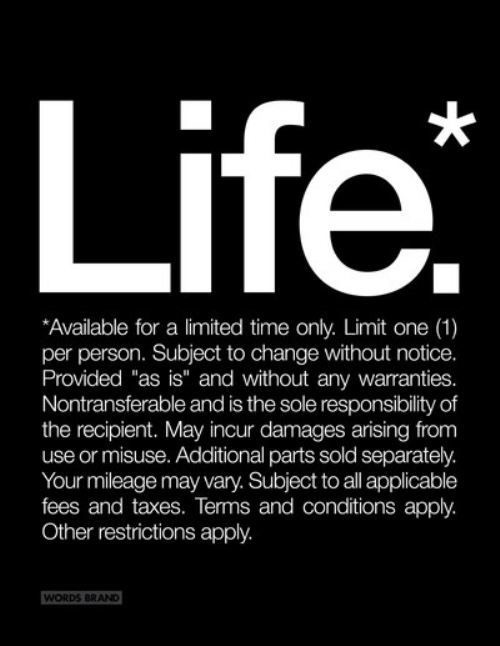
Now go out and live your best life’s
New Year’s Evolution
day by day
and each sacred moment
by sanctified moment
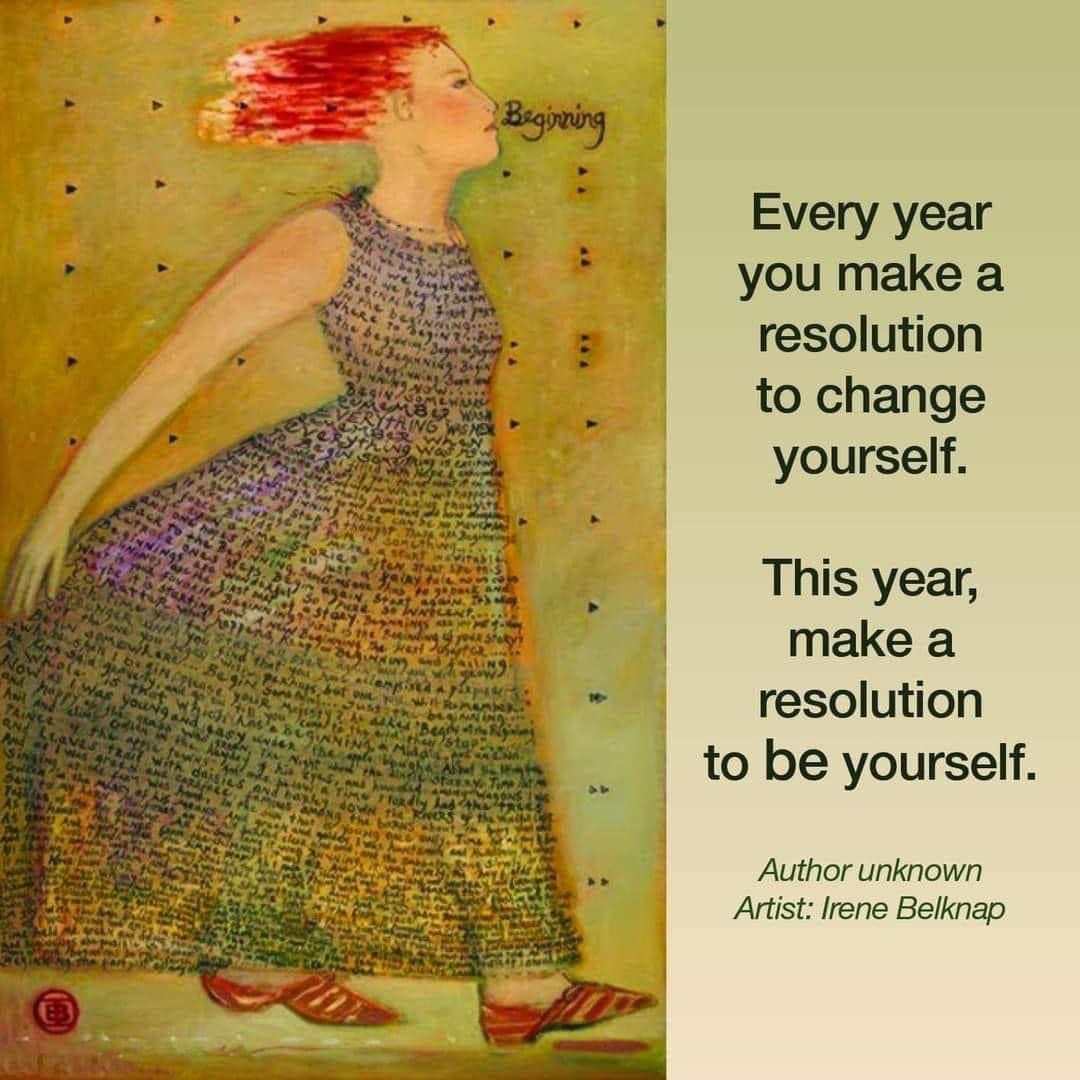
What a great song
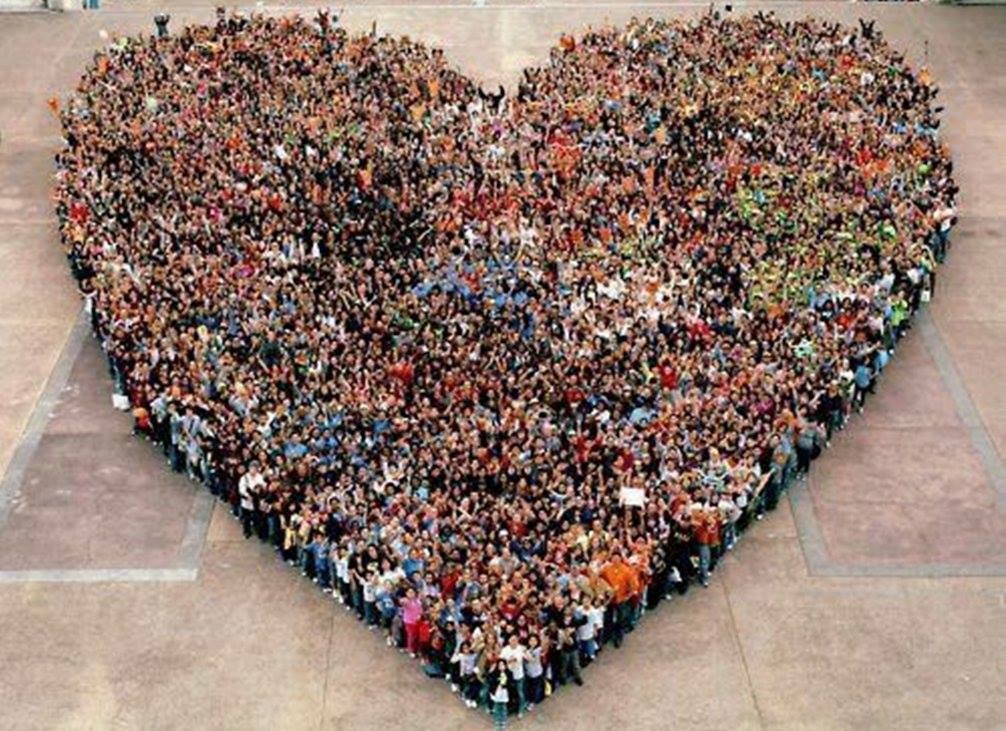
WHAT A BETTER CONCEPT:
WE ARE ALL ADOPTED
in one way or another
traveling through this world as
one big family
each of us a member
trying to not only find our way
but be included in
A WAY
that’s far bigger than any
ONE OF US
but includes each and every one of us. . .
 What are you doing right now
purposely
intently
intimately
to include Others
. . .to show them
. . .to make Another
feel like they belong and that they are going to
L O V E
I T
H E R E

Grant Snider over atIncidental Comics
reminds us:“The stories we tell ourselves shape our reality. We may try to box ourselves in, but we’re much more expansive and multifaceted than we think. Maybe if we tried to count our sides, they’d approach infinity—like a circle.”


(My thanks to Grant Snider.
And Happy Ongoing New Year to YOU!)
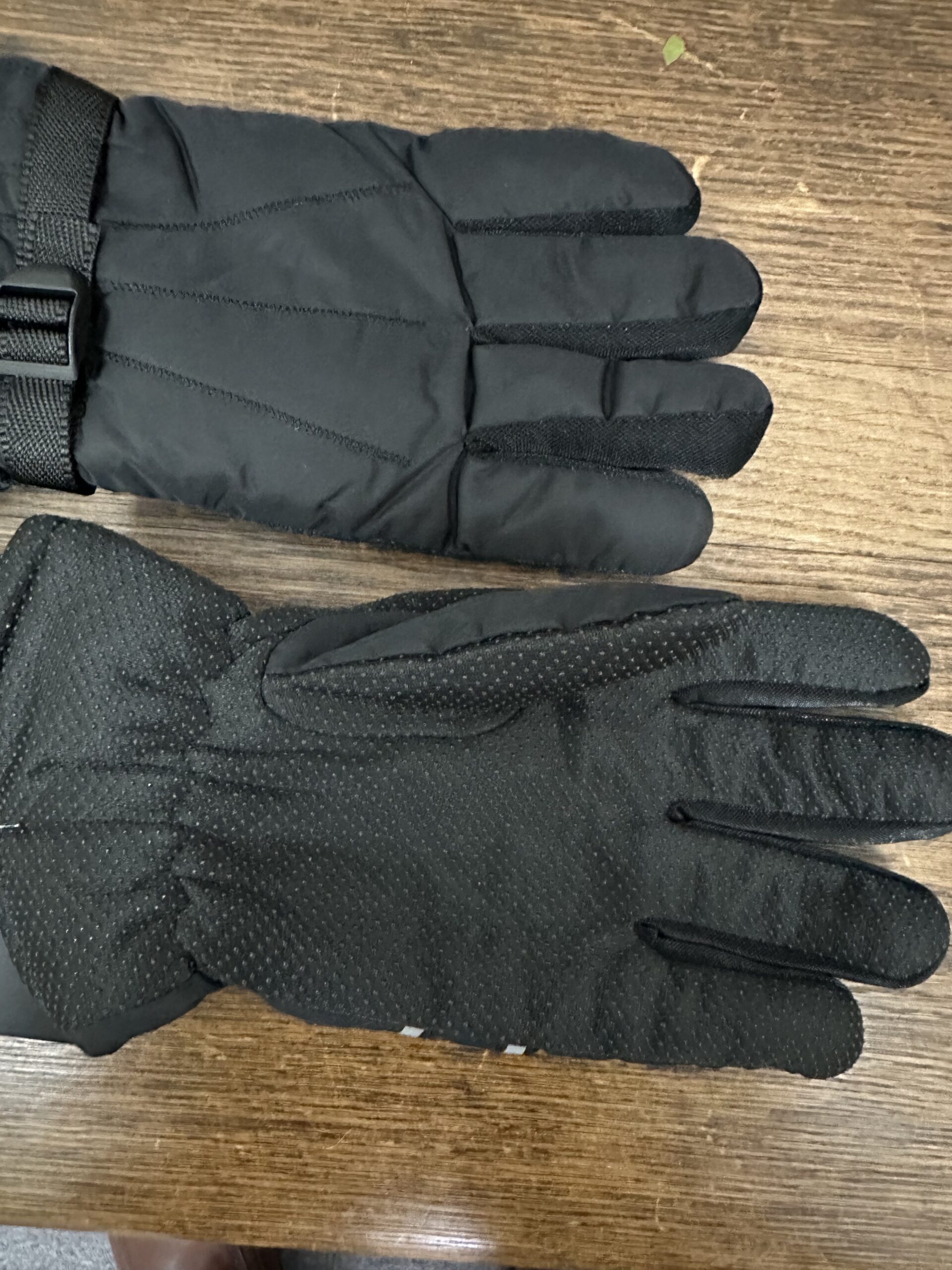
North Royalton Christian Church is a parish I have served since January of 1995 and it has never had any more than 60 members since I’ve been there, in fact, we usually have 25-35 people every Sunday for our 10:00 worship service; we have another 200 that may tune in to watch via FaceBook Live. It’s small, very small and we usually spend more time drinking coffee and eating in the wonderful goodies folks bring in for Coffee Hour following the worship service. We may pack in a whopping 45-55 folks if we have a Potluck dinner but we really turn out when it comes to outreach or supporting a cause. On Christmas morning we’ll take down nearly two hundred pair of new gloves to St Augustine, a saintly place that feeds the homeless and the indigent. They’ll leave with a full stomach, bags of leftovers and some warm gloves for cold hands. . .
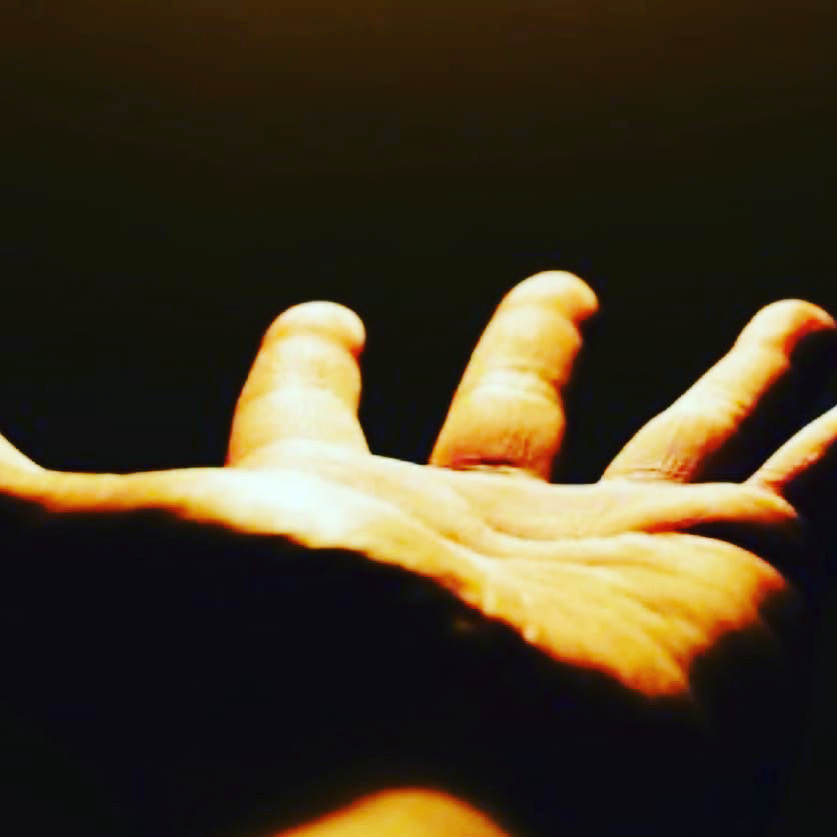
My hand shakes
can you still it
My hand is cold
can you warm it
My hand is extended
can you reach it
My hand touches
can you feel it
My hand is empty
can you fill it
A hand in a hand
never leaves it shaking
cold
unfelt
empty
A hand in a hand
a human interwoven tapestry
that completes a single One
to a single Another
Just because a hand is outstretched
doesn’t mean it’s going to be grasped
. . .offer it any
ways
or there’s another way to view it:
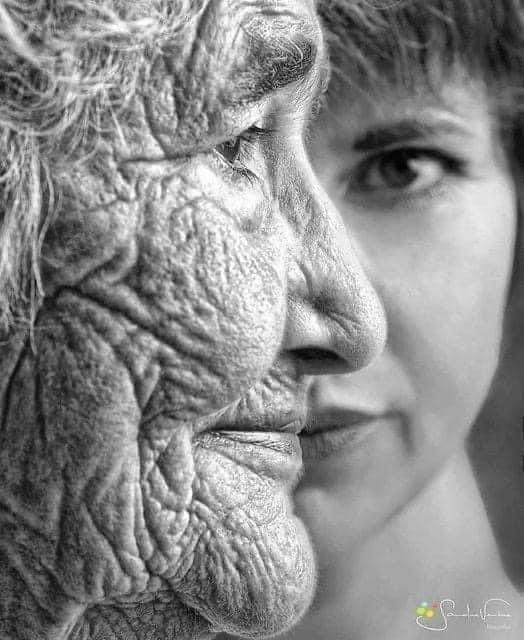
“Grandma how do you deal with pain?”“With your hands, dear. When you do it with your mind, the pain hardens even more.”“With your hands, grandma?”“Yes, yes. Our hands are the antennas of our Soul.When you move them by sewing, cooking, painting, touching the earth or sinking them into the earth, they send signals of caring to the deepest part of you and your Soul calms down.This way she doesn’t have to send pain anymore to show it.“Are hands really that important?”“Yes my girl. Think of babies: they get to know the world thanks to their touch.When you look at the hands of older people, they tell more about their lives than any other part of the body.Everything that is made by hand, so it is said, is made with the heart because it really is like this: hands and heart are connected.Think of lovers: When their hands touch, they love each other in the most sublime way.”“My hands grandma… how long since I used them like that!”“Move them my love, start creating with them and everything in you will move.The pain will not pass away. But it will be the best masterpiece. And it won’t hurt as much anymore, because you managed to embroider your Essence.”
Uhhhhhhhhhhhhhhhhhhhhhhhhhhhhhhhhhhhhhh
Just what are you doing with your hands
. . .don’t doubt
Some One could
b e n e f i t
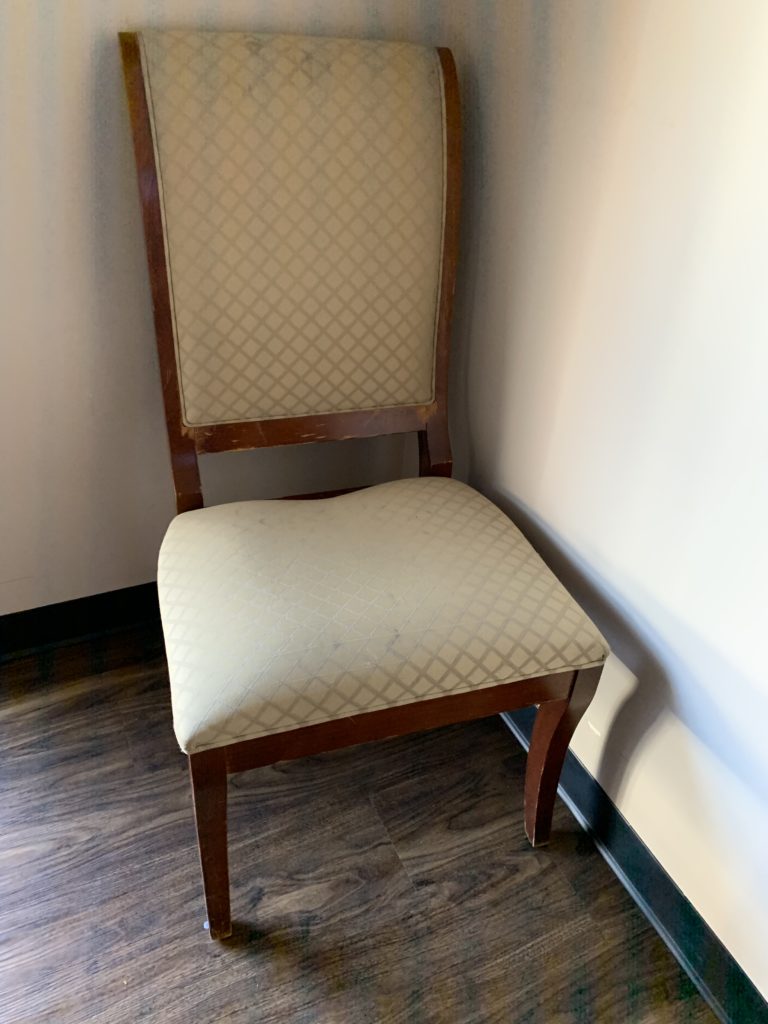
THE EMPTY CHAIR
Will stare you down
Glare back
Blink not
Because it holds the
h a l l o w e d
power of
M E M O R I E S
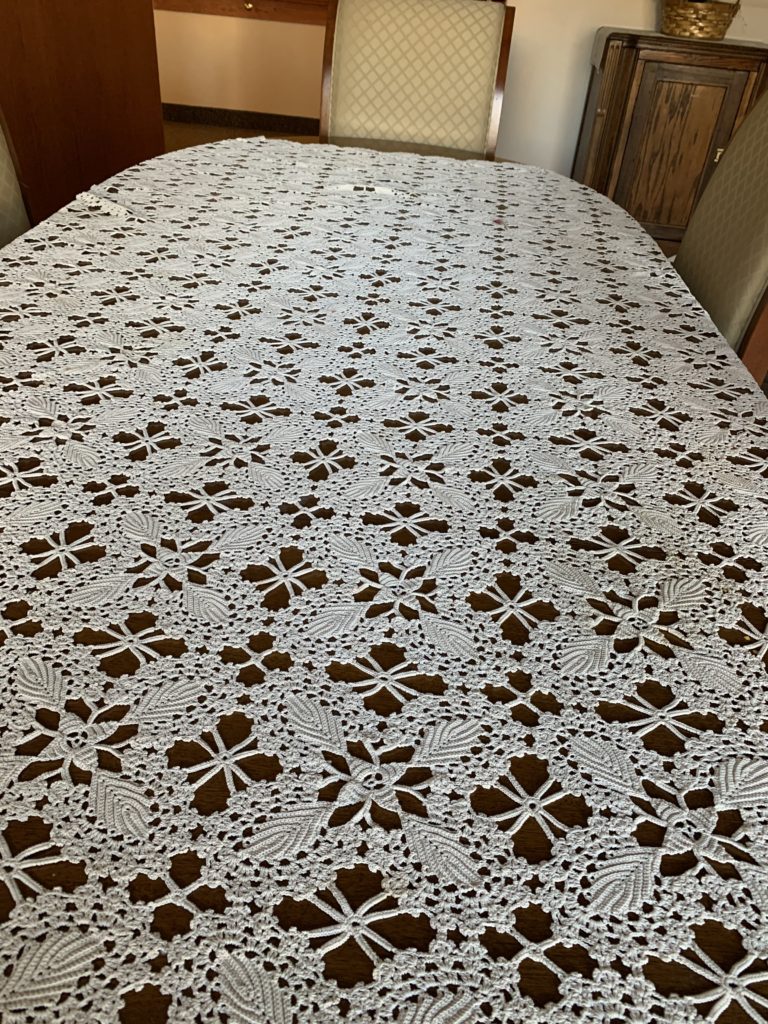
ANGUISH:
The lack of Blindness
that illuminates
The Empty Chair
at a Holiday Table
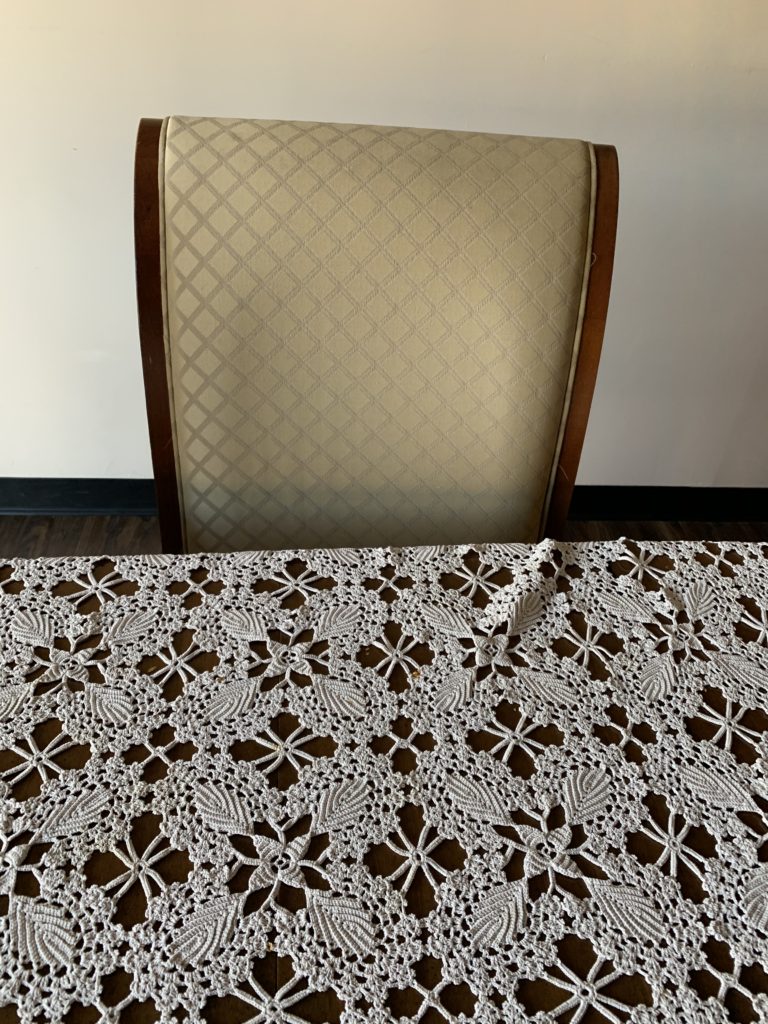
The best thing about an
EMPTY CHAIR
At the Table
Is that it has a Meaning
No other Emptiness
Could ever hold
or Capture

It WHISPERS:
I’m still here
It SHOUTS:
Remember When
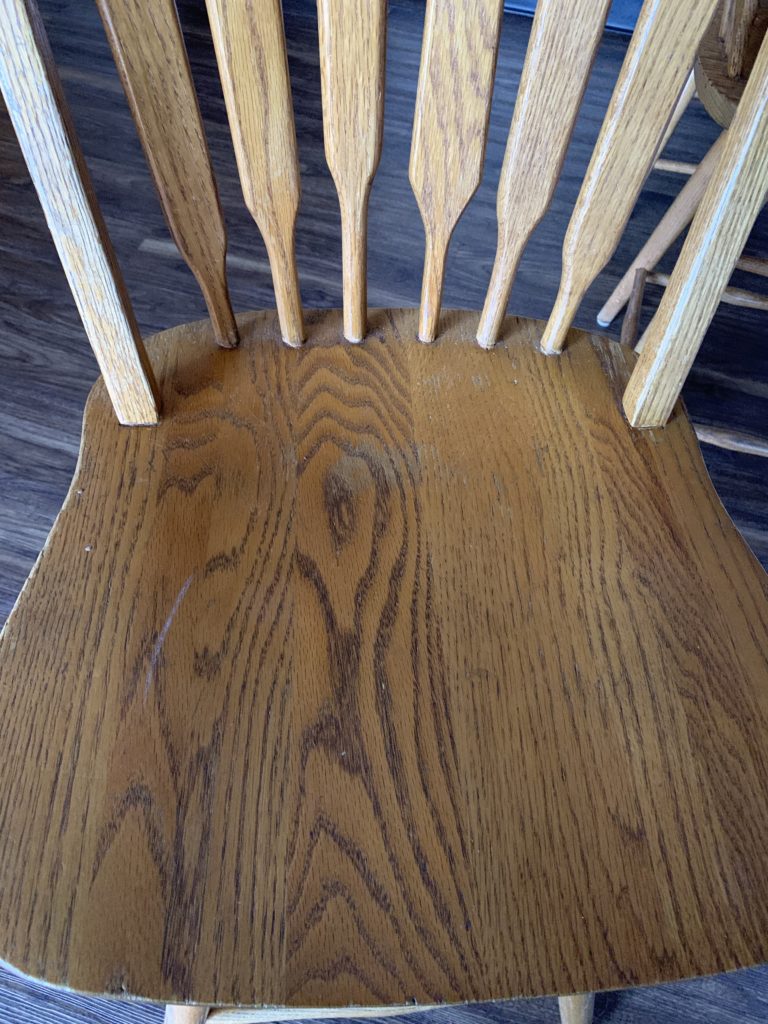
The Blessing
of an
EMPTY CHAIR
Is it cradles what can’t be held
No Hurt
No Grief
No Pain
No Loss
No Emptiness
That’s caused by a power
Much stronger than all of those things
Together:
L O V E
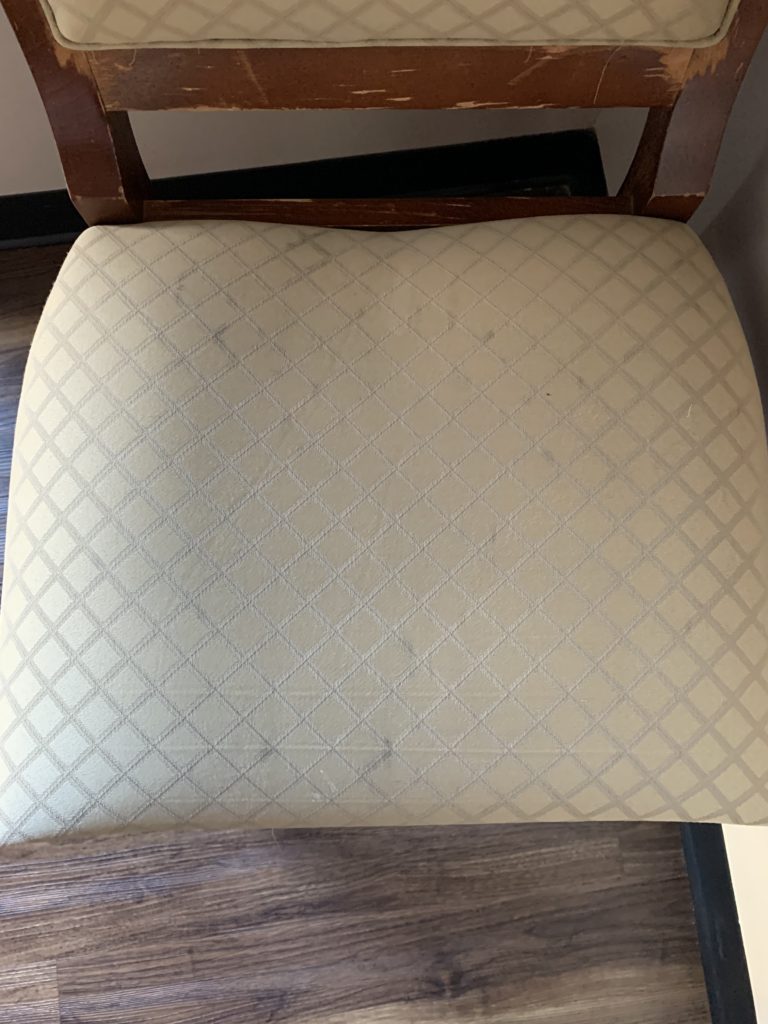
There’s nothing that shouts louder
Than a Silent Space
There’s nothing more full
Than an
EMPTY CHAIR
A heart will always Shout
What a mouth can’t Whisper
EMPTY CHAIR
That reminds of scents
That holds little sense
That makes no cents
But always keeps us
To what Was
Tortured to what Is
Foreigners to what
For an Ever
Will always be
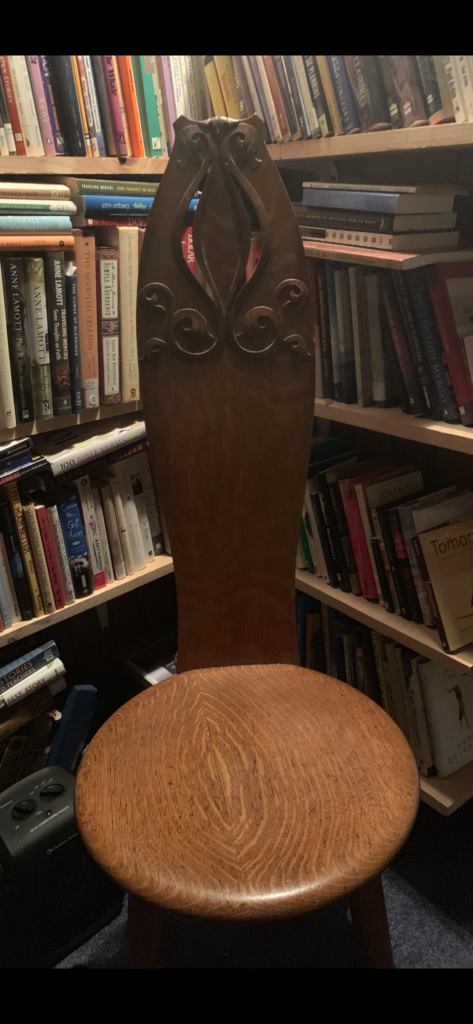
And the worst of the worst
The baddest of the bad
The grievous of the grief
isn’t
THE EMPTY CHAIR
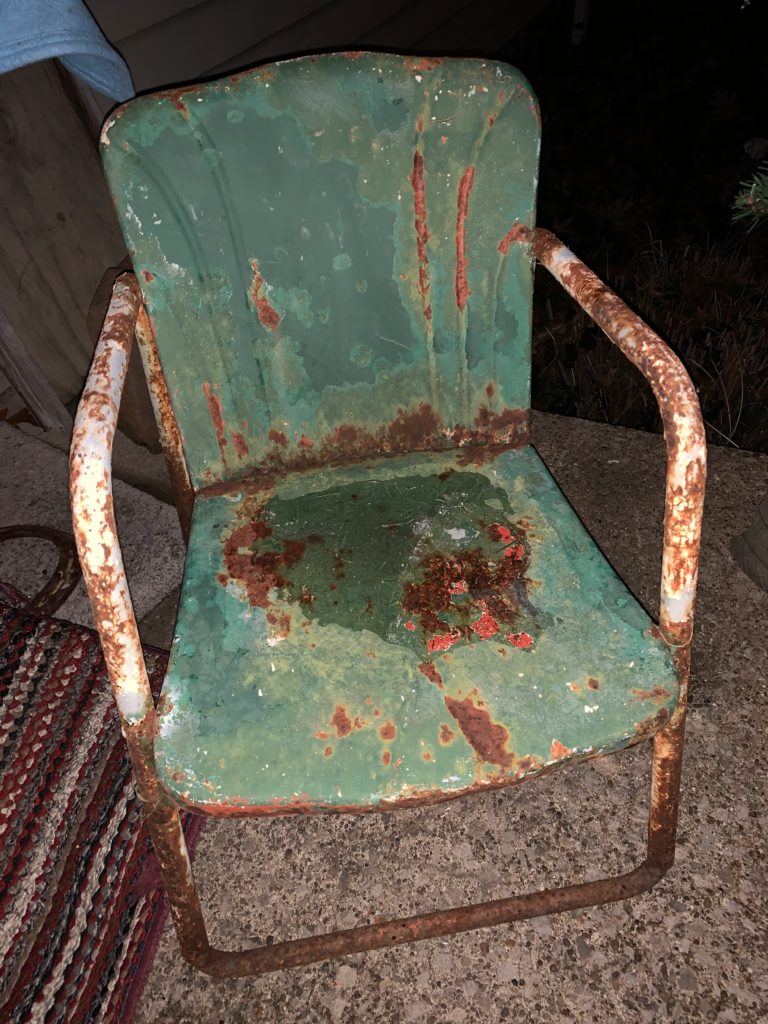
It’s the
s m a l l e s t
slow rusting rotting
EMPTY CHAIR
that holds
what never was
reminding us
painfully
of all of the memories
that’ll never be
created
experienced
imagined
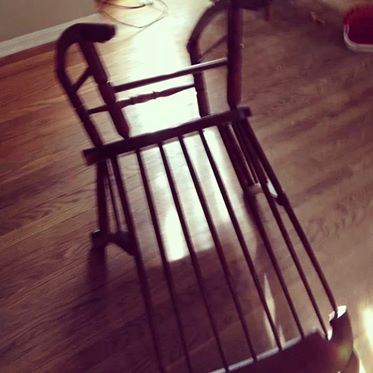
Leaving us
not only
Empty Chair’d
But Spilled OUT
Off our Rocker
POURED OUT
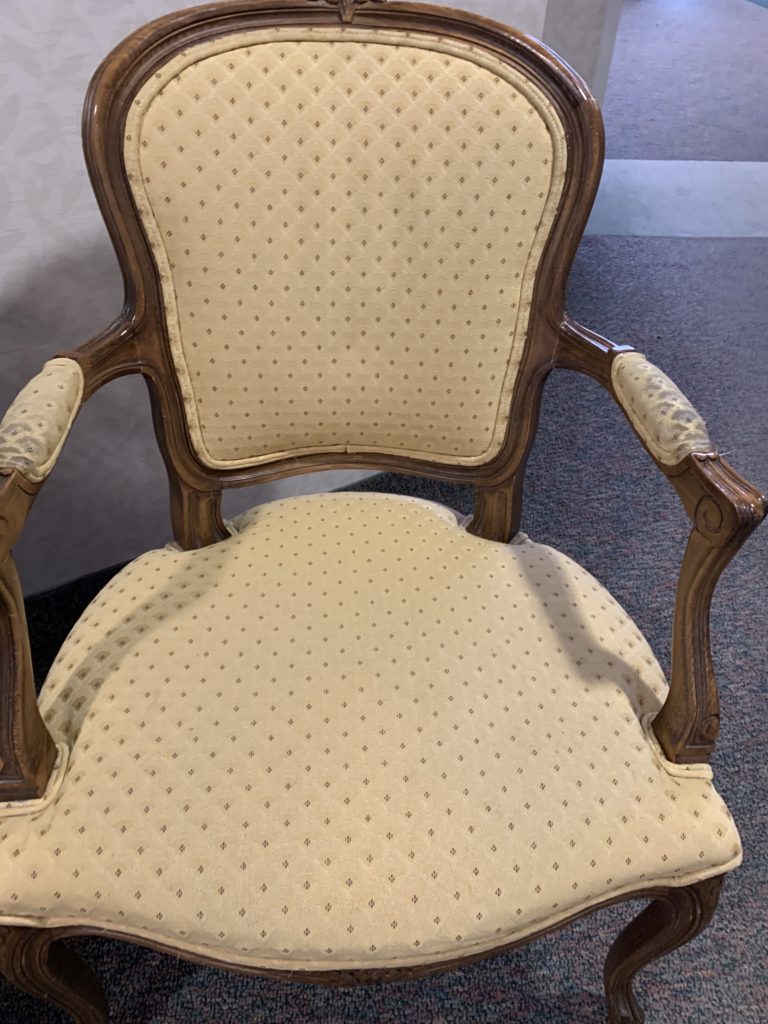
The only thing worse than getting
EMPTY CHAIR’D
is being
NO CHAIR’D

Forever leaving blank the phrases:
I REMEMBER THE TIME:
I’LL NEVER FORGET THE TIME:
or better yet,
WHAT ABOUT THE TIME:
. . .because the worst memories of all
ARE THOSE NEVER CREATED. . .
EMPTY CHAIR’D
 Have you ever seen
BEAUTY THAT DOESN’T EXIST?
Let’s face it. . .
THE WORLD ISN’T ALWAYS A PRETTY PLACE
especially when it shows us
anything that could ever resemble even remotely
B E A U T Y
but maybe it’s time to rub your eyes
and take another look
A DEEPER GAZE
at what’s unblinkingly before us. . .
Some 60 days ago
the Israel-Hamas war began waging
to an almost unimaginable comprehension
near and far
FAR, FAR,
from anything we could label
B E A U T Y
but. . .
Stephanie Acker from The Greater Good Magazine recently reported what we hoped but maybe, even now, still can’t comprehend. She pulls back the curtain to the following story:
A small group of children in Gaza sit on a lavender and white blanket around a small tray of beverages, singing “Happy Birthday” to a young girl. Like kids her age around the world, she wears a sweatshirt with prints of Elsa and Anna, characters from Frozen; unlike most kids, she’s celebrating against a backdrop of a war that, according to United Nations estimates as of November 10, 2023, has already killed more than 4,500 Palestinian children.

Celebrating anything might seem odd or even inappropriate in the face of so much devastation—and in the middle of what many are calling genocide.
However, in the research of refugees that Stephanie conducted with interdisciplinary artist and scholar Devora Neumark, they found that the urge to beautify one’s surroundings is widespread and profoundly beneficial—particularly so in the harrowing circumstances of loss, displacement, and danger.
When people find themselves displaced from their homes, finding or creating beauty can be just as vital as food, water, and shelter.
In the first six weeks of the Israel-Hamas war, 70% of Gaza’s 2.3 million residents have had to leave or have lost their homes.
Over half crowd into some type of emergency shelter, while others squeeze into relatives’ and neighbors’ homes. Food is scarce and increasingly expensive. According to the U.N., people are getting only 3% of the water they need each day. Much of the water they do have is polluted.
Crops are dying. Moms are not producing breast milk. People are getting sick. There are severe shortages of baby formula, as well as anesthesia for those needing surgery. The lack of space and overwhelming stress and fear add sleep to the list of things that are hard to come by.
These needs are urgent and essential. Without them, people will die. Too many already have, while the conditions for those who live are horrific. They make it hard to see much else.
But the endless images of bombs and blood hide the story of the life, colorand creativity that existed in Gaza. And they hide the beauty that persists despite war.
Beauty is often viewed as a luxury. But this isn’t the case. It’s the opposite.
Beauty has been a hallmark of every human civilization. Art philosopher Arthur Danto wrote that beauty, while optional for art, is not an option for life. Neuroscientists have shown that our brains are biologically wired for beauty: The neural mechanisms that influence attention and perception have adapted to notice color, form, proportion, and pattern.
We’ve found that refugees worldwide, often with limited or no legal rights, still invest considerable effort in beautifying their surroundings. Whether they’re staying in shelters or makeshift apartments, they paint walls, hang pictures, add wallpaper, and carpet the floors. They transform plain and seemingly temporary accommodations into personalized spaces—into semblances of home.
Refugees rearrange spaces to share meals, celebrate holidays, and host parties—to greet friends, hold dances, and say goodbyes. They burn incense, serve tea in decorative porcelain, and recite prayers on ornate mats. These simple acts carry profound significance, even amid challenges.
Urban studies scholars Layla Zibar, Nurhan Abujidi, and Bruno de Meulder have told the story of Um Ibrahim, a Syrian refugee. When she was pregnant, she and her husband transformed the tent they were issued at a refugee camp in the Kurdistan region of Iraq into home. They built brick walls. She planned paint colors and furniture. Around her, neighbors potted plants and set up chairs to create front porches on their temporary shelters to be able to gather with friends. They turned roads into places for celebrating special occasions. They painted a flag at the entrance of the camp.
They made a new home, but they also made it feel like it “used to in Syria.”
The benefits of beauty are both practical and transformative, especially for refugees.
Many refugees experience trauma. All experience loss. Beautifying is a way to exert agency, grieve, and heal.
Simple acts—rearranging a home, sweeping the floor, or intentionally placing an object—allow refugees to infuse an area with their own identity and taste. They provide a way to cope when one has little control over anything else. Often, once someone is labeled a refugee, all their other identities are overshadowed or disappear.
Neumark’s study of over 200 individuals who experienced forced displacement found that beautifying the home helped heal intergenerational trauma caused by forced displacement.
Neumark observed that as children participated in efforts to beautify their home, it seemed to positively influence their own coping mechanisms and well-being.
Furthermore, if children could imagine their homes prior to displacement through the stories and images shared with them—what scholar Marianne Hirsch calls “postmemories”—then the actions taken to beautify their present-day homes could be transformative. They served as a bridge connecting the past with the present and facilitated the ongoing process of healing and preserving identity.
Ultimately, making a space feel more comfortable, secure, and personalized is a tangible expression of hope for a future.
Even prior to the start of the Israel-Hamas war, Palestinians lived in the face of immense injustice and violence.
Their Palestinian research partner, who must remain anonymous for security reasons, described that their home in the refugee camp feels like living in jail, but that they still make it a beautiful place to live.
Prior to the start of the latest war, neighborhoods featured striking muralsand embellished walls. Intricate mosaics adorned buildings, and paint livened the facades of homes. Neighbors would gather to pray, putting on new clothes, spraying perfume, and burning incense to prepare for the rituals. As Christmas approached, Palestinian Christians, along with some Muslims, would decorate their homes. Both faiths would gather for annual tree lightings.
Geographer David Marshall described how youth living in a Palestinian refugee camp used beauty to focus on the positives in their environment and dream about a future beyond their camp—and the walls that constrained their lives.
In their community-based storytelling project in a Palestinian refugee camp this past summer, they witnessed the commitment to making homes beautiful in the thriving gardens that were created within very crowded quarters. Neighbors shared how their gardens calm them, provide a place to gather with friends, and serve as a reminder of fields they once tended.
In her 2021 research, Corinne Van Emmerick, a Ph.D. candidate in sociology, described Fatena, a Palestinian who was living in a refugee camp. She had flowers on everything—the roof, walls, and windowsills. They were expensive and needed “lots of love.” But, Fatena added, they gave her “love back.”
One Guinean refugee interviewed as part of Neumark’s study said, “As refugees we lose our sense of beauty, and when that happens, we lose our sense of everything, of life itself.”
If the opposite of this is true, then clearly beauty cannot be thought of as superficial or an afterthought. One study of Bosnian refugees found that their ability to notice beauty was a sign of improved mental health.
Creating, witnessing, and experiencing beauty offers a connection to the familiar, works to preserve cultural identity, and fosters belonging.
It’s what ensures that a little girl in Gaza not only has her birthday celebrated, but that it is also made as beautiful as possible.
 So. . .
do you see
BEAUTY
in the
B O T C H E D. . .
 BRING YOUR PAINT BRUSH
. . .let your strokes be broad and bold
SHOW A BEAUTY
that muddied
can still never be besmirched. . .
(Devora Neumark, an interdisciplinary artist and researcher whose trauma-informed work explores the intersections between a home beautification and the human experience in the context of displacement, contributed to writing this article.
This article is republished from The Conversation under a Creative Commons license. Read the original article.)
This video has been making it’s rounds as the Holiday season is in full force unfolding before us. No matter what we believe or in what various moods/feelings we are treading or at times, seemingly drowning in, Holidays or not, it goes to the heart of our remembering, our once upon a times, that at times feels like hugging a porcupine and yet we squeeze all the more harder to keep those memories close and to actually do all we can to bring them back to vivid, living color so that we can feel all that is good, all that is love, all that once upon a time was. . .
Sometimes it’s not so much
WHAT YOU REMEMBER
as
T H A T
you are
R E M E M B E R E D. . .
Memories are precious
and the only things more important:
THE MEMORIES YET TO BE CREATED. . .
this holiday season
May your greatest memories
be those you’ve yet to create
(but undoubtedly will)
 Let your Remember’er
bring you
what
THE NEW
sometimes can never quite promise
(and may your Remember’er do it often)