YUPPERS. . .It was one of the best classes in college I ever took and to think it was a six week class during the Summer session where there was oodles of reading in a short amount of time including CRIME AND PUNISHMENT, THE IDIOT and the mammoth tome, THE BROTHERS KARAMAZOV by Fyodor Dostoevsky.
This all came flooding back when I read an article entitle THE EIGHT MINUTES, which if I was ever fully aware, I had forgotten the gruesome details.
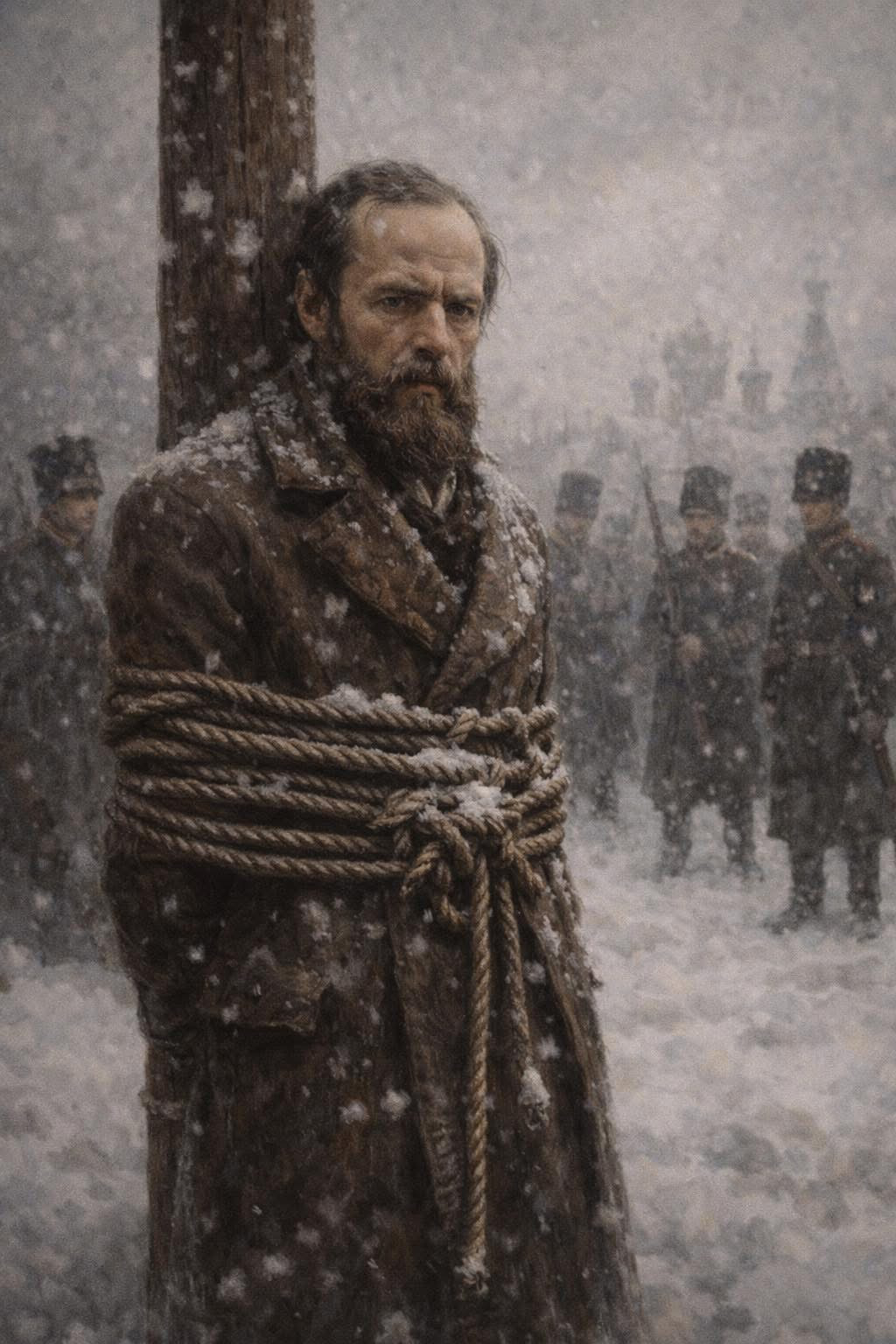
In 1849, Fyodor Dostoevsky stood in a square in Saint Petersburg believing he was about to be executed. The sentence had been read. The rifles were prepared.
At the last moment, a message arrived: he would live.
That experience didn’t just scare him—it changed how he saw time, people, and responsibility. He later wrote that life is a gift and every minute matters. And he lived like he meant it.
This experience deeply shaped his worldview and writing, especially in works like:
And this is where the Caring Catalyst in me got poked and hopefully now, jabs you a little, too.
I was a little more motivated and reminded that a Caring Catalyst is someone who turns awareness into action—someone who doesn’t just feel the value of life, but lives it in a way that positively affects others.
Dostoevsky’s second chance led him to three lasting shifts:
1. He treated time as precious.
Not something to delay or waste, but something to use with intention.
2. He saw people more deeply.
After years in prison, he stopped reducing people to labels and started recognizing the complexity in everyone—even those society had written off.
3. He acted with purpose.
He didn’t just feel grateful—he created meaningful work that explored suffering, morality, and compassion in ways that still resonate today.
Most of us won’t face a moment as extreme as his. But we don’t need to.
The truth is already here: time is limited, people are complex, and what we do with both matters.
Becoming a caring catalyst isn’t about dramatic transformation. It’s about small, consistent choices:
- paying attention instead of rushing
- choosing understanding over judgment
- acting on what matters now, not later
We’re all given time—quietly, daily, without ceremony.
The question isn’t whether we get a second chance.