I know, I know
C H R I S T M A S
started showing up and off
way before Halloween
just after school began again in the Fall
after all of the
BACK TO SCHOOL SPECIALS
and now it’s seeping in every outlet
known and un-known
READY OR NOT
So. . .
in an all too little pause that’s offered
and even less taken
here’s a shout out to the 35th Anniversary to
HOME ALONE
but really it’s a bigger
M E S S A G E
and louder shout out that
HOME
DOESN’T MEAN
A L O N E
(especially if you’re the one who makes a Difference)
YOUR THANKSGIVING TABLE
In this special Thanksgiving of The Caring Catalyst Blog, my invitation is to have you go and be the reason another can be thankful, because the best table to ever be around isn’t the one with endless food; it’s the one with ongoing and everlasting sustenance that satisfies every hunger, quenches every thirst, binds up every wound, and makes every heart less lonely as it welcomes, always welcomes and never disappoints.
T H I S
will be the mysterious blessing of:
AS YOU FEED SO SHALL YOU BE FED
and full, ever full will your Soul be. . . .
THE GETTING IS IN THE GIVING

Pssssssssssssssssssssssssssssssssssssssssssssssst:
Even if you don’t like what folks
bring to the
T A B L E. . .
NEVER LET THEM EAT ALONE
HAPPY THANKSGIVING
JUST A MOMENT: A THANKSGIVING TABLE
It’s amazing, isn’t it? Sometimes what we worry about is so often what we don’t do anything about. . .Do you set the table? A table itself does not get set. . . Oh, we have these nice little clichés about that–“Don’t worry, it’s what you bring to the table that matters.”
Hey, What about the things we don’t bring to the table, the things that we expect are already at the table? There’s nothing worse than a Thanksgiving~less table. . .but. . .but now, right here, it’s like no other time of the year. We have a chance to literally, set the table. . .
So, what will you bring to the table? Will it benefit just you or will it serve, EVERYBODY. . . even those you’d rather not have seated around your table. . .will it benefit them as well?
Well the answer to that will either make it one of the greatest Thanksgiving’s you’ve ever had. . .or not. . .
(Psssssssssssst: It may well be not so much what you bring to the table as it is who’s allowed there to join you)

TO SERVE UP
SECONDS
OF
It’ll do wonders for your
d i g e s t i o n
THANKSGIVING SONG (S)
I F
T H A N K S G I V I N G
WAS A SONG
. . .It might sound a little like this one
from Ben Rector
with the strong realization
that we’ll all be singing
quite a different song
this Thursday
but
WE WILL BE SINGING
nonetheless
h e n c e
T H A N K S G I V I N G
differences and all. . .
N O W
THIS YEAR:

Hmmmmmmmmmmmmmmmm. . .
Lots to be thankful for in a thankless world, isn’t there?
Maybe if Thanksgiving was a song, it might sound a little like this one from
J J Heller. . .
M O R E
know there’s always
m o r e
and be the reason someone else knows it, too
HAPPY
THANKSGIVING
SO. . .WHAT’S YOUR STORY?
His parents locked him in a psychiatric hospital and gave him electroshock therapy because he refused to become a lawyer—so he walked 500 miles across Spain, wrote a book in two weeks, and it became one of the bestselling books in human history.
This is Paulo Coelho. And “The Alchemist” is his proof that the universe rewards those who refuse to surrender their dreams.
Paulo was born in 1947 in Rio de Janeiro to middle-class parents who had perfectly reasonable expectations: become a lawyer or engineer, get a respectable job, live a conventional life.
Paulo had other plans.
By his teens, he’d fallen in love with Brazil’s counterculture—hippie philosophy, rock music, mysticism, poetry, rebellion against everything his parents’ generation valued. He didn’t want stability. He wanted meaning. He didn’t want convention. He wanted freedom.
His parents were horrified. And in 1960s Brazil, they had a solution they believed was for his own good:
They had him institutionalized in a psychiatric hospital.
Between 1965 and 1967, Paulo’s parents committed him three separate times. They believed his rebelliousness was mental illness that could be “cured” with treatment. He underwent electroshock therapy. Medication. Confinement. All because he refused to be who they wanted him to be.
The experience was traumatic, dehumanizing, devastating.
But when Paulo finally emerged from those institutions, he wasn’t broken. He was more determined than ever to live life on his own terms.
Through the 1970s, Paulo pursued the bohemian existence his parents had tried to erase. He became a successful lyricist, writing songs for some of Brazil’s biggest rock musicians. He worked as a journalist. He explored alternative spirituality, magic, mysticism—everything conventional society dismissed as foolish.
He tried writing fiction. His early novels went nowhere.
By his late thirties, Paulo had achieved a kind of success—but something was missing. He felt disconnected from purpose, from meaning, from whatever it was he was supposed to be doing with his life.
Then in 1986, at age 38, Paulo made a decision that would change everything:
He walked the Camino de Santiago.
The Camino is a 500-mile pilgrimage route across northern Spain to the cathedral of Santiago de Compostela. For over a thousand years, people have walked it seeking transformation, penance, clarity, answers.
Paulo walked it seeking… something. He wasn’t sure what.
The journey was brutal. Long days through heat and rain. Blisters. Exhaustion. Sleeping in pilgrim hostels. Carrying everything on his back. Physical pain testing his mental resolve.
But somewhere along those 500 miles, something shifted.
Paulo began experiencing moments of profound insight. Synchronicities. Signs that felt like the universe was speaking directly to him. He felt himself reconnecting with a spiritual dimension of life he’d lost.
By the time he reached Santiago de Compostela, Paulo felt transformed. He’d found what he’d been seeking: a sense of purpose, a spiritual awakening, a conviction that life had meaning beyond what could be touched or measured.
He wrote about the experience in “The Pilgrimage,” published in 1987. It became a cult hit among spiritual seekers.
But the Camino had given him something even more valuable: an idea.
Paulo became obsessed with certain concepts that had crystallized during his walk: that everyone has a “Personal Legend”—a unique destiny they’re meant to fulfill. That the universe sends signs to guide those who pursue their purpose. That the journey toward your dream is as important as achieving it.
Then he encountered a short story by Argentine writer Jorge Luis Borges—a retelling of an ancient folk tale:
A man dreams of treasure buried in a distant land. He journeys far to find it. When he arrives, he meets another man who’s dreamed of treasure buried back where the first man came from. They realize: the treasure was always at home, but they had to take the journey to understand its value.
This story electrified Paulo. It was everything he’d experienced on the Camino, distilled into pure narrative.
He sat down to write.
It was 1987. In approximately two weeks of intensive work, Paulo Coelho wrote “The Alchemist.”
He later said the book was “already written in his soul”—he was just transcribing it. The story poured out: Santiago, the shepherd boy who dreams of treasure at the Egyptian pyramids. His journey across North Africa. The alchemist who teaches him to listen to his heart. The discovery that his treasure was home all along—but he had to complete the journey to find it.
The book was simple. A fable. A parable that read like ancient wisdom but was completely original.
Paulo gave the manuscript to his Brazilian publisher. They published it in 1988.
It flopped.
The first print run was small. Sales were disappointing. Critics were indifferent. The publisher, seeing no commercial potential, dropped “The Alchemist” entirely.
Paulo was devastated. He’d poured his spiritual awakening, his deepest beliefs about destiny and purpose, his soul into this book.
And it had failed.
But Paulo believed in “The Alchemist” with absolute, unshakeable conviction. He found another publisher willing to take a chance.
And then something magical happened.
One person read the book and told a friend. That friend told another. Slowly, organically, without marketing campaigns or publicity budgets, “The Alchemist” began spreading through pure word-of-mouth.
By the early 1990s, it was a phenomenon in Brazil. Then Portuguese-speaking countries. Then it was translated into Spanish and exploded across Latin America.
In 1993, HarperCollins published the English translation. It became an international bestseller.
By the late 1990s, “The Alchemist” was selling millions of copies annually, translated into dozens of languages, appearing on bestseller lists worldwide.
Today, over 150 million copies have been sold. It’s been translated into 80+ languages. It’s one of the most-translated, continuously-in-print books in publishing history.
Presidents quote it. Celebrities recommend it. Teachers assign it. People give it to graduates, friends going through transitions, anyone searching for meaning.
The message is deceptively simple: Follow your dreams. Listen to your heart. When you want something with your whole being, the entire universe conspires to help you achieve it.
Critics sometimes dismiss it as simplistic, as new-age platitudes. But millions of readers have found something profound in its pages—because Paulo Coelho wrote from lived experience.
He’d been institutionalized for refusing to conform.
He’d walked 500 miles seeking spiritual truth.
He’d experienced the synchronicities and signs he wrote about.
And he’d persisted with “The Alchemist” even after it was rejected—because he believed in it absolutely.
The story of “The Alchemist” mirrors its own message: Paulo had a dream (write a book that changes lives), faced seemingly impossible obstacles (institutionalization, rejection, failure), persisted anyway, and eventually the universe conspired to make his book a global phenomenon.
Whether you believe in Personal Legends or consider it metaphor doesn’t matter.
The fact remains: Paulo Coelho was a failed novelist whose book was dropped by its first publisher.
Through persistence and belief, that book became one of history’s bestsellers.
He was institutionalized for being different. He walked across Spain seeking answers. He wrote a book in two weeks about following your dreams. The first publisher dropped it.
Now, 150 million people have read it.
That’s not just a publishing success story.
That’s proof that sometimes—just sometimes—when you refuse to surrender what you believe in, when you keep walking even when the path seems impossible, when you trust that your Personal Legend is real—
Impossible things happen.
Paulo Coelho walked 500 miles across Spain seeking purpose.
He found it. Then he wrote it down.
And millions of people, walking their own journeys, have found his words waiting for them like signs along the path.
JUST A MOMENT: LOOKING AT WHAT YOU ARE SEEING
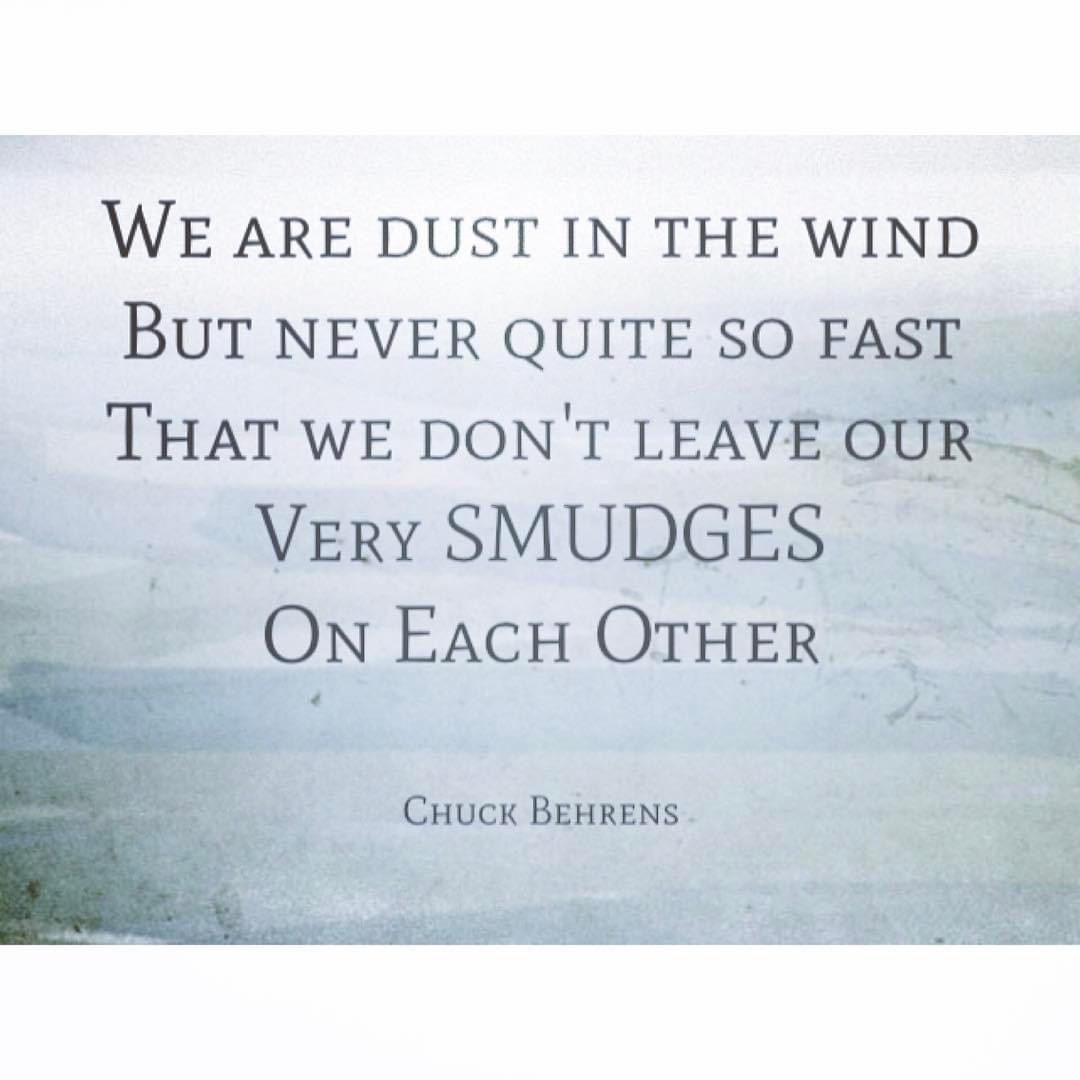
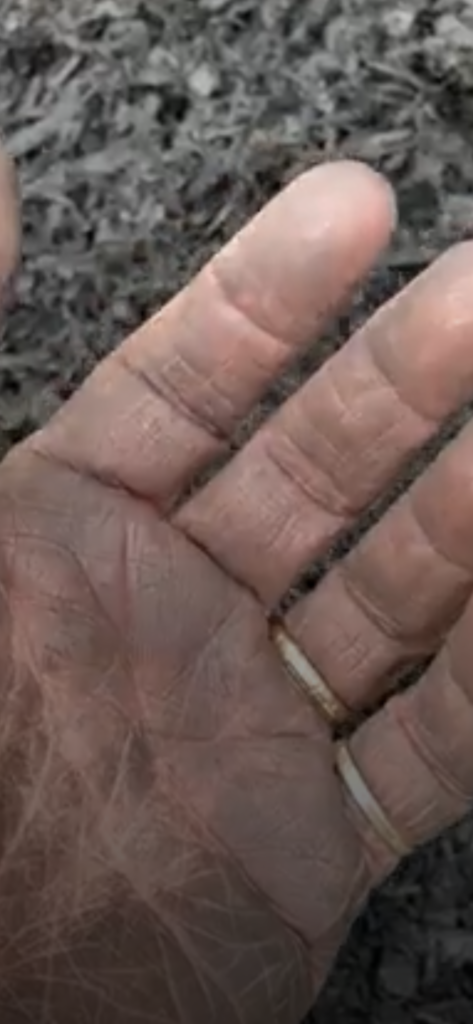
At first glance, it would seem that I’m a 70-year-old Swifty because of all the bracelets that I wear but in just a moment you see that’s the problem with the first glance, because what we look at isn’t always what we see until we hear the rest of the story and most of that story can be told in just a moment and it needs not just to be told but actually heard.
Maybe what needs to be heard the most is we are all unfinished stories waiting for just the next person, the next situation, the next moment to come and add onto us, to complete us a little bit more than what we were before just the moment before THE MOMENT; so take a look. What are you actually seeing; what you’re looking at or do you need to know the story behind what you are looking at; what you are seeing. . . ?
So hum along as your story continues to be written, read aloud and heard. . .
FAMILY: THERE’S MANY DIFFERENT WAYS TO SPELL IT
Y U P P E R S
The Holiday Season is well underway
with Thanksgiving a little over a week away
quickly followed by
all of the many Holiday festivities
that will soon follow
all the way through
NEW YEAR’S
all of these many different pieces called
F A M I L Y
which begs the question:
HOW DO YOU SPELL FAMILY
H-O-L-I-D-A-Y
G-A-T-H-E-R-I-N-G-S
P-A-R-T-Y
D-I-N-N-E-R
R-E-L-A-T-I-V-E-S
F-R-I-E-N-D-S

No matter how you spell
F-A-M-I-L-Y
Make sure it’s spelled, experienced and
GIVEN
At this time of the year, family is experienced in so many different ways and it is sorely experienced when it’s not together or when it’s broken; every family has dysfunction in it. Every family in many ways has a shattered piece. It feels like it’s out of place and can never be put together again. . .

SO. . .if it’s not through a gift, let it be through a card and it not through a card, let it be through a text and if not any of those things, let it be through a “JUST BECAUSE” kind of a moment of kindness, even if it’s anonymous. Never let a family member feel like they are the missing piece that can never be put together again. . .And who has more power to do that than YOU? Be a Table that holds all the puzzle pieces

And more importantly ACCEPT THEM, no matter what the shape, the size, the color, or the lack in this and hurt that once separated, you brings. . .
(IT IS NEVER TOO LATE TO BE THE FAMILY YOU ONCE WERE AND CAN BE AGAIN. NO MATTER THE SLIGHT OR THE HURT ONCE CAUSED, BE THE FIRST STEP TO HEALING AND FIND IT WAS NEVER AS BROKEN OR AS FOREVER FRACTURED AS YOU THOUGHT. . .

BE THE PIECE OF THE PUZZLE THAT INVITES OTHERS TO THE TABLE OF TOGETHERNESS)
MORE THAN A BACKPACK
HOW ABOUT A FRIDAY CARING CATALYST MOTIVATIONAL MOMENT. . .JUST BECAUSE
A DIFFERENT KIND TEACHER USING A BACKPACK FOR MORE THAN A MERE OBJECT LESSON:
I’ve been teaching American Literature to 15-year-olds for twenty-five years in this small Ohio town. For the last ten, I’ve kept an old, battered canvas backpack hanging on a metal hook by my door.
It’s the first thing kids see when they walk in and the last thing they see when they leave.
Most of them think it’s just… junk. A prop from an old lesson. Maybe I’m a hiker.
They have no idea it’s the most important thing in the room. They don’t know it’s the heaviest thing in the whole school.
This year’s class was like any other. You had the jocks in the back, the theater kids by the window, the “too-cool-for-this” crowd, and the invisible ones. The air in a sophomore class is always thick with that mix of bravado and crippling insecurity. They’re trying so hard to be adults, but they’re terrified.
Three weeks ago, on a Tuesday, I decided it was time. The classroom felt… fractured. Tense. You can feel it in a small town. Everyone knows everyone’s business, but nobody really talks. It’s like we’re all just quietly agreeing to pretend.
That day, I skipped the syllabus. I didn’t talk about The Great Gatsby. I just unhooked the old backpack and set it on my desk with a heavy thud.
The zipper screamed as I opened it.
“I’m not teaching you literature today,” I said.
The room, which had been buzzing with side-conversations, went dead quiet.
“We’re going to do something different. I’m passing out index cards.”
I held them up.
“I have three rules. They are not negotiable.
Do not write your name.
Total honesty.
Write down the one thing you are carrying that feels too heavy.”
A hand shot up. It was Sarah, a girl who never spoke. “What do you mean, Mr. Harrison?”
“I mean the thing you think about when you can’t sleep. The thought that sits on your chest. The thing you’re terrified to say out loud. The secret. The fear. The weight.”
I looked at every one of them. “We’re going to call this ‘The Unload.’ And what’s written on these cards does not leave this room. Ever.”
The sarcasm melted. The eye-rolling stopped. For ten minutes, the only sound in that room was the scratching of pencils on paper.
Some kids wrote furiously, filling the whole card.
Others stared at the ceiling, tears welling up before they wrote a single word.
One boy in the back, a tough kid who was already on the varsity football team, just crushed the card in his fist. He squeezed it until his knuckles were white. Then, slowly, he smoothed it out and started writing.
When they were finished, I had them come up, one by one. They folded their cards and dropped them into the open backpack. It was a silent, somber pilgrimage.
Zip. I closed the bag. It looked exactly the same. But we all knew it wasn’t.
“This,” I said, holding it up. “This is us. This is this room. It looks the same on the outside, but now we know what’s in it.”
I placed the bag on the stool in the center of the room.
“Now, I’m going to ask for one more thing,” I said. “Permission. I’m going to read these. Out loud. And our only job—every one of us—is to listen. No laughing. No whispering. No judgment. We just… hold the space.”
They all nodded.
I reached my hand into the bag. My own hands were shaking. I pulled the first card.
I unfolded it. I read.
“My parents hate each other because of who won the last election. They scream about it every night. I have to hide in my room and pretend I agree with both of them so they won’t be mad at me. I feel like my family is broken.”
I took a breath and pulled another.
“My mom works two jobs, and she’s still not okay. We use the ‘good’ shampoo at the end of the month and water it down. I’m scared we’re going to be homeless. I pretend I’m not hungry so she can eat.”
Another.
“I’m gay. My dad is a deacon at our church. He said he’d disown me. I think he means it. I can’t breathe in my own house.”
The room was tomb-silent. No one moved.
I pulled another.
“My brother came back from his tour. He’s not my brother anymore. He just sits in the dark and stares at the wall. He yells in his sleep. I’m scared of him.”
Another.
“My sister is at ‘a friend’s house.’ I know she’s using again. I just wait for my mom’s phone to ring. I check her pulse when she’s passed out on the couch. I’m waiting for the phone call.”
Another.
“I have 3,000 followers online. I’ve never felt more alone in my life. I think I’ve forgotten how to talk to a real person. I hate the person I am on my phone.”
Another.
“I flinch every time the intercom crackles. I know where I would hide in this room. I know the desk is not strong enough. I hate that I know that.”
I kept reading for twenty minutes.
“My dad got laid off from the factory. He drinks now. He’s not mean. He’s just… gone. I miss my dad.”
“I’m not smart enough for college. I’m not strong enough for the army. I feel like I’m at a dead end, and I’m only 15.”
And finally, the one that stopped my heart.
“I don’t want to be alive. I’m just too scared to do it. I just want the noise to stop.”
When I read the last card, I folded it and put it back in the bag. I couldn’t speak. I looked up.
The tough football kid was silently crying, big, fat tears streaming down his face and dripping off his chin.
The “popular” girl, the one who always had a mean thing to say, was holding the hand of the “weird” girl next to her.
The jock who asked “What do you mean?” was staring at his desk, his whole body shaking.
No one was judging. No one was sizing each other up.
They weren’t jocks or nerds or preps or goths. They were just… kids. Kids carrying mountains.
“So,” I said, my voice cracking. “That’s what we carry.”
I zipped the bag up.
“I’m hanging this back on the hook. It stays here. What’s in this bag is ours, and no one has to carry it by themselves anymore. Not in this room.”
The bell rang.
No one moved.
Finally, kids started to get up, slowly, quietly zipping their own bags. And then, they did the most incredible thing.
As each student walked out, they reached out.
One kid tapped the bag.
Another punched it, gently, like a teammate.
The popular girl paused and just rested her hand on the strap.
They were acknowledging it. Taking a piece of the weight, and leaving a piece of their own.
I’ve taught Gatsby and The Crucible for two decades. I’ve argued about symbolism and theme until I’m blue in the face. That was the single most important hour of teaching I have ever done.
We are a country, a town, a people, obsessed with being strong. With winning. With looking like we’ve got it all together.
We are terrified of showing our cracks.
And our kids are paying the price.
They are drowning, and they are doing it silently, right next to each other.
That night, I got an email from a parent.
“Dear Mr. Harrison, I don’t know what you did in class today, but my son talked to me. For the first time in a year, he just… talked. About his dad (his dad and I are divorced). About the pressure. He said he felt ‘real’ at school today. Thank you.”
The backpack is still on the hook. It’s a little heavier, but it’s also a lot lighter.
We talk about test scores. We talk about college prep. We talk about politics.
We need to be talking about this.
Look around. The person next to you in the coffee line, the kid at the skatepark, the old man reading the paper. They are all carrying a backpack you can’t see.
Be kind.
Be curious.
Don’t be afraid to ask, “What are you carrying today?”
You might just save a life.
Have you ever had a BACKPACK MOMENT
HAVE YOU EVER GIVEN A BACKPACK MOMENT
WILL YOU. . .
LET’S MAKE THIS TIME OF YEAR
JUST A MOMENT: THE FILL-ABILITY OF EMPTY SPACES
Sometimes we are so afraid of NEXT that we never want leave our dear ‘ONCE UPON A TIME’S‘ or our cherished, ‘REMEMBER WHEN’S.’
It truly is more than just a question or some nice little meditation or a flowery refection, isn’t it?
What do you do the empty spaces in your life? What do you do with THAT time or a moment; that space you never thought could ever exist and now very much DOES?
What used to be filled up with life and vitality now is an empty space or worse a vast hollow blankness, a nothingness that you don’t think you will ever recover, mostly because we’re afraid to look behind the door of what any NEXT holds for us. . .but so very much CAN (DOES)
LET THERE BE PEACE ON EARTH
IT never fails…especially when I hear a group of kids sing IT. . .
LET THERE BE PEACE ON EARTH…AND LET IT BEGIN WITH ME!
Uhhh, yeah. . .I tear up. . .
A L W A Y S !
The song was written in 1955 by Jill Jackson Miller and Sy Miller. Jackson, who had been suicidal after the failure of a marriage, later said that she wrote the song after finding what she called the “LIFE SAVING JOY OF GOD’S PEACE AND UNCONDITIONAL LOVE.”
The story goes that on a Summer evening in 1955, a group of some 180 teenagers of all races and religions were meeting at a workshop high in the California mountains. Locking arms, they formed a circle and sang a song of Peace. They felt that singing the song, with its simple basic sentiment–LET THERE BE PEACE ON EARTH AND LET IT BEGIN WITH ME,” helped to create a climate for the World Peace and understanding.
When they came down from the mountain, these inspired young people brought the song with the and started sharing it. . .and IT began
It traveled the World in a very fast pace (AS GOOD THINGS REALLY HAVE BEEN KNOWN TO DO). Soon the song was being shared in all fifty states–at school graduations, PTA Meetings, at Christmas and Easter Gatherings and as a part of the celebration of Brotherhood Week. It became the Theme for Veteran’s Day, Human Rights Day and U.N. Day. American Legion, the B’nai B’rith, the Kiwanis Clubs and CORE.
IT traveled the World.
IT was being sung by big name artists.
IT was winning awards.
The simple thought, LET THERE BE PEACE ON EARTH AND LET IT BEGIN WITH ME, first born on a mountain top in the voices of youth, continues to travel HEART to HEART–gathering people everywhere who wish to become a note in a song of understanding and peace–for for ALL People Everywhere.
It matters not how you hear it. . .
It matters not how you sing it. . .
It matters not how you harmonize. . .
It matters. . .
HOW YOU SHARE IT. . .
How Your Peace becomes Another’s,
For a Moment and then another one until EACH Knows IT
EVERY SECOND. . .
OF EVERY LIFE!
BE the SPLASH that begins the endless Ripple of Peace. . . .
LET IT BEGIN WITH YOU–
right where you dwell. . .
but never where you
S T A Y
And ultimately,
may our Prayer
BE a
Living One
as we celebrate the
BEST OF US
on this
Veteran’s Day Eve

- 1
- 2
- 3
- …
- 51
- Next Page »